2026 Top Knitted Sportwear Fabric Trends for Global Buyers?
As we approach 2026, the landscape of knitted sportswear fabric is evolving rapidly. This year promises to showcase innovations that cater to both performance and style. Global buyers should prepare for trends that intertwine functionality with fashion, offering options that enhance athletic performance while promoting comfort and sustainability.
Knitted sportswear fabric is gaining traction for its versatility. Many brands are exploring new blends to improve breathability and moisture-wicking. Designed with active lifestyles in mind, these fabrics support movement without compromising on durability. Yet, some common challenges remain. Finding the right balance between elasticity and structure can be tricky. Buyers must stay informed about evolving materials and technology.
The consumer demand for eco-friendly options is on the rise. Sustainable knitted fabrics are becoming a priority for many companies. However, not all choices are transparent. It’s essential to scrutinize the sourcing and production methods behind these materials. In this shifting market, knowledge is power. Buyers must seek out reputable suppliers who prioritize ethical practices and innovation in knitted sportswear fabric.
Overview of the 2026 Knitted Sportswear Fabric Market
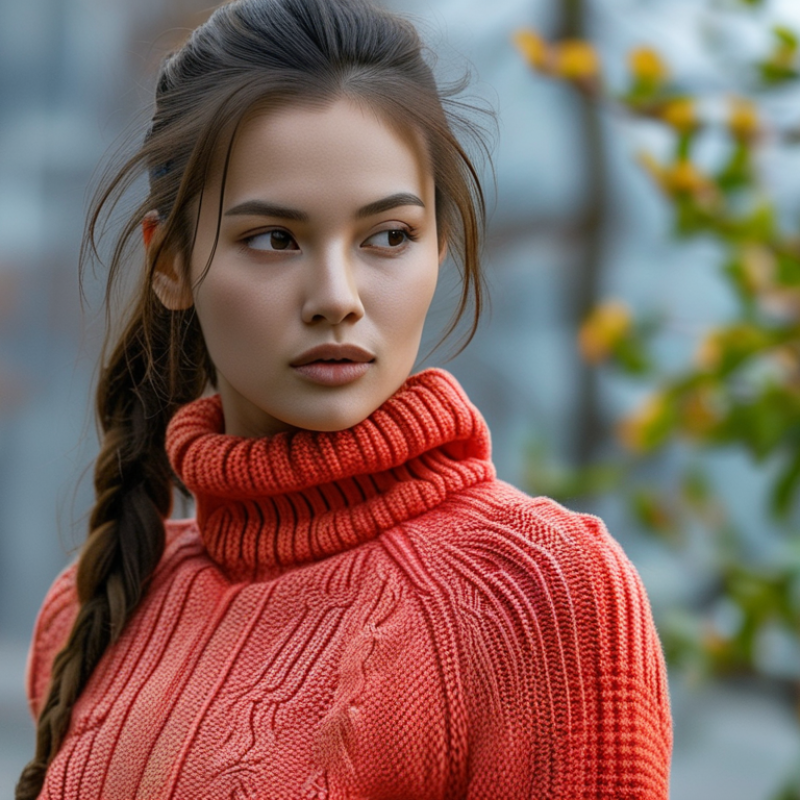
As the demand for performance and comfort in sportswear fabric grows, the 2026 market landscape is evolving. Buyers need to understand emerging trends. Sustainability remains a focal point. Many manufacturers are focusing on recycled fibers. This fabric not only meets eco-friendly standards but also offers high performance. Another trend is moisture-wicking technology, crucial for athletes. Fabrics that can regulate temperature will attract more attention.
Understanding consumer preferences is key. Buyers look for versatility, with fabrics that transition from activewear to casual wear. Textures and colors are central to this trend. Bright colors and unique patterns are making a comeback. This adds excitement to traditional styles. Furthermore, buyers must consider the challenges ahead. Meeting quality standards while ensuring sustainability is tough.
Consulting industry experts is essential for gaining insights. Their experience can guide buyers through this complex market. By staying informed, they can make better choices. Ultimately, fabric innovation is important. It shapes consumer experiences and brand loyalty. Navigating this landscape requires awareness and adaptability.
Key Trends in Sustainable Knitted Fabric Innovations
The surge in demand for sustainable knitted fabrics reflects a significant shift in the textile industry. Recent reports indicate that the global market for sustainable fabrics is projected to reach over $100 billion by 2025. This growth reflects eco-conscious consumer behavior. Buyers are increasingly looking for innovative materials that reduce environmental impact.
In terms of innovations, recycled polyester and organic cotton are leading the way. These materials not only minimize waste but also provide superior performance features. According to the Textile Exchange, the use of post-consumer recycled textiles is growing by 10% annually. This trend opens up new opportunities for manufacturers and brands.
Tips for buyers include assessing suppliers' sustainability certifications. Look for transparency in sourcing and production methods. Regular audits of supply chains can ensure compliance with environmental standards. Engaging in discussions about fabric origins can foster deeper connections with suppliers. Conscious choices can lead to long-term benefits in brand reputation and customer loyalty.
Popular Knitted Materials for Performance and Comfort
As the demand for performance-driven apparel rises, the material choices in knitted sportswear are evolving. Buyers today seek comfort without sacrificing functionality. Lightweight and breathable fabrics are essential. They allow freedom of movement, vital for athletes and casual users alike.
Recently, moisture-wicking knitted materials have gained attention. These fabrics draw sweat away from the skin, keeping wearers dry. Also, stretchability has become crucial. Spandex blends offer better fit and adaptability during intense workouts. However, the challenge lies in balancing stretch with durability. Many materials wear out quickly under stress, so testing is important.
Sustainability is also a hot topic. Eco-friendly knitting processes are developing, but they often cost more. Buyers face a dilemma: go green or save money. Innovations in recycled fibers show promise but still need refinement. The journey towards creating a perfect knitted fabric continues, blending usability with environmental responsibility.
2026 Top Knitted Sportwear Fabric Trends for Global Buyers
| Fabric Type |
Key Properties |
Sustainability Index |
Market Demand |
| Recycled Polyester |
Durability, Moisture-wicking |
High |
Growing |
| Nylon Spandex Blend |
Stretchability, Comfort |
Medium |
Stable |
| Bamboo Fabric |
Antimicrobial, Breathable |
High |
Increasing |
| Organic Cotton |
Softness, Breathability |
Very High |
Growing |
| Tencel Lyocell |
Soft, Moisture-absorbent |
Very High |
Increasing |
Regional Preferences: Knitted Sportswear Fabric Trends Worldwide
Knitted sportswear fabric trends vary significantly across regions.
In North America, there is a growing preference for moisture-wicking and eco-friendly materials.
Consumers are actively seeking fabrics that combine sustainability with high performance.
The demand for breathable knits is rising among fitness enthusiasts. Many buyers are prioritizing comfort and durability in their athletic wear.
In Europe, the trend leans towards stylish and functional designs.
Here, versatility is key.
Knitted fabrics that can transition from gym to casual outings are favored.
There is also an emphasis on premium quality.
Buyers often look for innovative textures that enhance the aesthetic appeal of sportswear.
While these preferences are clear, the challenge lies in balancing style with performance.
In Asia, vibrant colors and bold patterns dominate the knitted sportswear scene.
Consumers appreciate expressive designs that stand out.
Functional aspects such as stretchability and quick-dry properties are also crucial.
However, manufacturers must navigate the complexity of diverse cultural tastes.
Each region presents unique challenges in meeting buyer expectations and preferences.
There is room for improvement in tailoring offerings to local demands.
Consumer Insights: What Buyers Are Looking for in 2026
As we look towards 2026, buyers in the knitted sportswear fabric market are becoming more discerning. They seek materials that blend functionality with fashion. Breathable fabrics that wick moisture away are essential for active lifestyles. Yet, buyers are also concerned about sustainability. The demand for eco-friendly materials continues to rise. This reflects a growing awareness of environmental impact.
Another crucial aspect is comfort. Customers want fabrics that provide ease of movement. Stretchability and softness are top priorities. However, many knitted fabrics still struggle to balance these with durability. This creates a challenge for manufacturers. They must innovate without compromising on quality.
Aesthetics also play a vital role. Buyers desire vibrant colors and unique patterns. Consumers are willing to pay more for exclusive designs. Yet, some feel that the market can be repetitive. Many fabrics lack originality. This lack of diversity could hinder interest. The industry must focus on creativity to capture attention in the future.
2026 Top Knitted Sportswear Fabric Trends