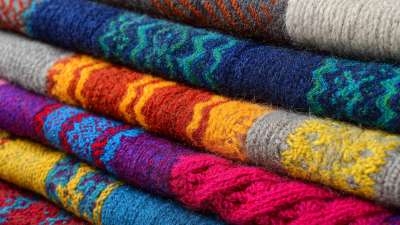
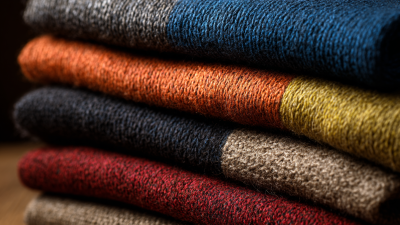
2026 Top Trends in Knitted Jacquard Fabric What to Expect?
The world of textiles is constantly evolving, and Knitted Jacquard Fabric is at the forefront of innovation. As we look ahead to 2026, we can expect exciting trends in this niche. Industry experts predict a growing demand for sustainable materials and personalization in design. According to a report by Textile Insights, the market for innovative knitted fabrics is projected to grow by over 15% annually through 2026.
Expert Dr. Emily Chen, a leading figure in the knitted fabric sector, emphasized, "Knitted Jacquard Fabric will redefine fashion's landscape by offering both creativity and sustainability." This sets a high standard for manufacturers and designers alike. Brands now face the challenge of incorporating eco-friendly practices while maintaining unique designs in their offerings.
As technologies advance, the intricacies of Knitted Jacquard Fabric weave new possibilities. However, the industry must reflect on its practices and ensure that innovation does not come at the cost of quality or ethical responsibility. The path forward is fraught with both opportunity and the necessity for careful consideration.
Emerging Technologies in Knitted Jacquard Fabric Production
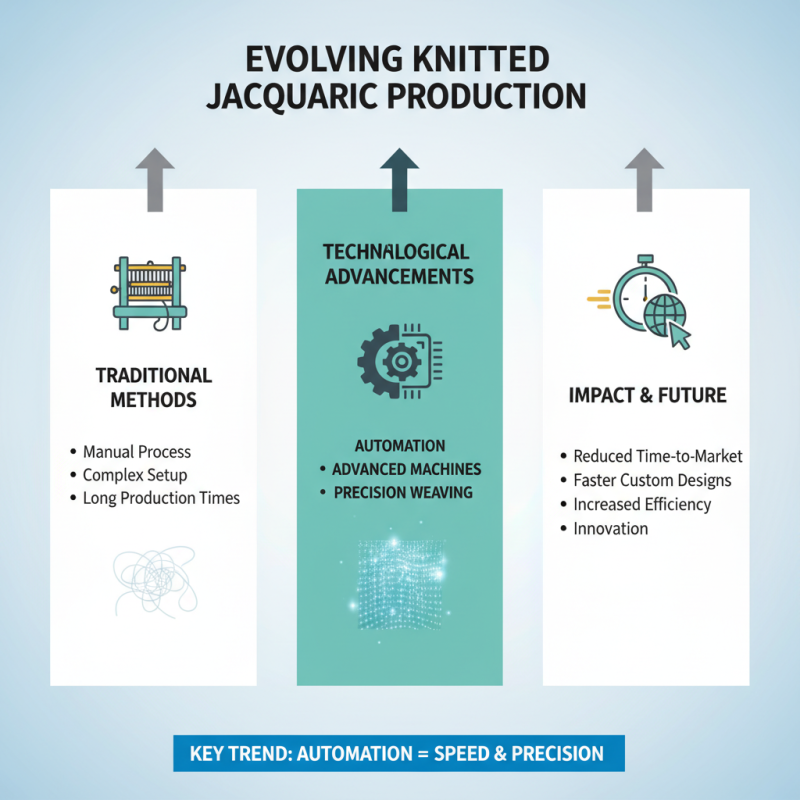
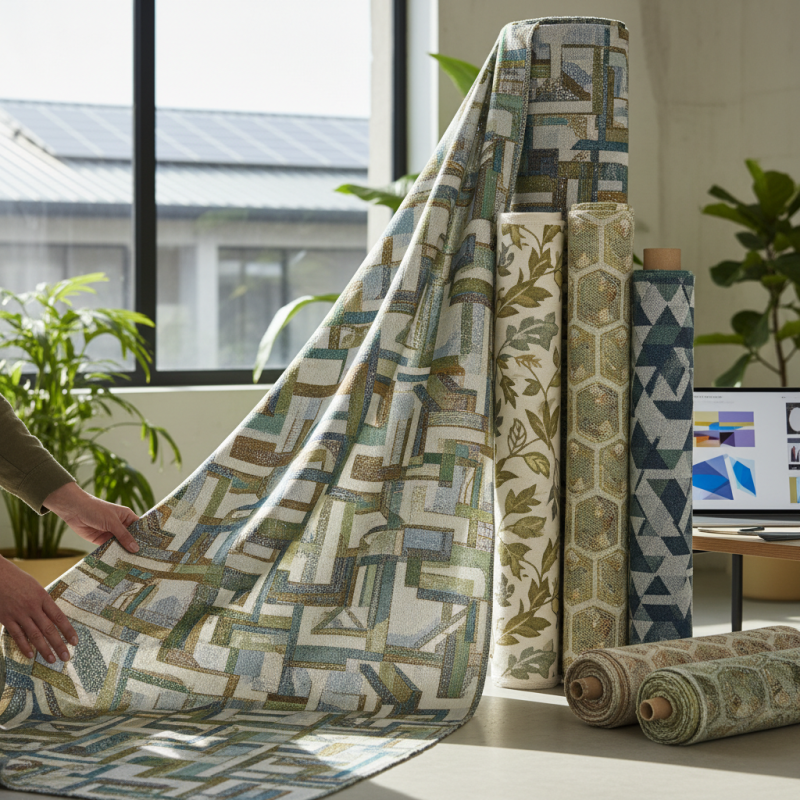
The landscape of knitted jacquard fabric production is evolving rapidly due to emerging technologies. Automation is becoming a key player. Machines are now more advanced than ever. They can weave intricate patterns with unparalleled precision. This reduces production time significantly. Companies are seeing quicker turnaround on custom designs.
In addition, digital knitting technology is gaining traction. It allows designers to create complex patterns effortlessly. This technology opens doors for more creativity in fabric design. Yet, not every designer finds this transition smooth. Some face challenges in adapting to new tools and methods. It takes time to learn new software and equipment.
Sustainability is another focus within production. Eco-friendly materials are trending, but their integration is not straightforward. Finding balance between tradition and tech is essential. This presents an opportunity for innovation. Yet, it can also lead to mistakes if not approached carefully. The journey toward a sustainable and technologically advanced future is indeed a work in progress.
Sustainable Practices Shaping the Future of Knitted Fabrics
Sustainable practices are increasingly shaping the landscape of knitted jacquard fabrics. According to a recent report by the Textile Exchange, the global market for sustainable fabrics is projected to grow by 25% by 2026. More brands are prioritizing eco-friendly materials, reducing their carbon footprint. The demand for fabrics made from organic cotton and recycled polyester is on the rise.
Manufacturers face challenges in sourcing sustainable fibers. While innovation is happening, many companies still rely on conventional materials. A report from the Global Fashion Agenda highlights that only 21% of fiber used in textiles comes from sustainable sources as of 2023. This gap shows a need for improvement and commitment throughout the supply chain.
End consumers are becoming more aware of sustainability issues. For instance, 73% of shoppers say they prefer brands that practice sustainability. This shift is driving brands to seek more eco-friendly production methods. However, many still struggle with the high costs of sustainable practices. It’s a complex journey, but it’s one that the industry must undertake. The path toward change is fraught with obstacles, yet it can lead to positive advancements in the industry.
Color Trends and Patterns: What to Look for in 2026 Jacquard Designs
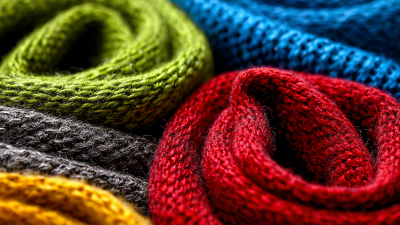
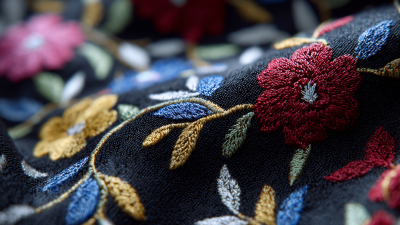
In 2026, knitted jacquard fabrics are set to embrace vibrant and bold colors. Reports indicate a significant shift towards deep greens and rich burgundies, reflecting a growing desire for nature-inspired tones. These colors evoke a sense of calm and comfort in an increasingly chaotic world. Expect jacquard patterns to merge modern aesthetics with traditional motifs. This blend will cater to diverse consumer tastes.
Patterns will also take on new dimensions. Geometric shapes and organic forms are anticipated to dominate. According to industry analyses, intricate designs will attract younger audiences eager for unique statements. Yet, some brands may struggle to balance complexity with wearability. Not every intricate design resonates with all consumers.
Sustainability will influence design choices. Eco-friendly dyes may limit color saturation but offer a fresh perspective. There is a demand for elevated yet sustainable fabrics. However, catering to this trend presents challenges. Balancing style and environmental responsibility is not easy. Brands must navigate this evolving landscape carefully.
2026 Top Trends in Knitted Jacquard Fabric: Color Trends and Patterns
Consumer Preferences Influencing Jacquard Fabric Trends
The world of jacquard fabric is evolving rapidly. Changing consumer preferences shape the trends in this niche. According to a recent report by Allied Market Research, the global jacquard fabric market is projected to reach $2.1 billion by 2027. This growth indicates a strong demand for unique textile patterns and innovative designs.
Sustainability is a primary focus for consumers today. Many people prefer eco-friendly fabrics. This is pushing manufacturers to adopt sustainable practices. A study by Textile Exchange found that 45% of consumers value environmentally responsible manufacturing. This trend is likely to continue shaping jacquard fabric production in the coming years.
Tips: Consider the longevity of jacquard styles. Choose designs that resonate with timeless elegance instead of just fleeting trends. Additionally, pay attention to fabric durability. High-quality jacquard can face wear but should maintain its beauty over time. Always opt for fabrics that align with your values, whether it's sustainability or ethical production.
2026 Top Trends in Knitted Jacquard Fabric What to Expect? - Consumer Preferences Influencing Jacquard Fabric Trends
| Trend |
Description |
Consumer Preference |
Projected Popularity (%) |
| Sustainable Materials |
Increased demand for eco-friendly and recycled fibers. |
High |
80 |
| Bold Patterns |
Vibrant colors and geometric designs are gaining traction. |
Medium |
70 |
| Multi-functional Fabrics |
Fabrics that serve both casual and active wear are in demand. |
High |
75 |
| Texture Mixing |
Combining jacquard with other fabric textures for unique looks. |
Medium |
65 |
| Custom Designs |
Consumers are leaning towards personalized jacquard patterns. |
High |
78 |
Applications of Knitted Jacquard in Fashion and Interior Design
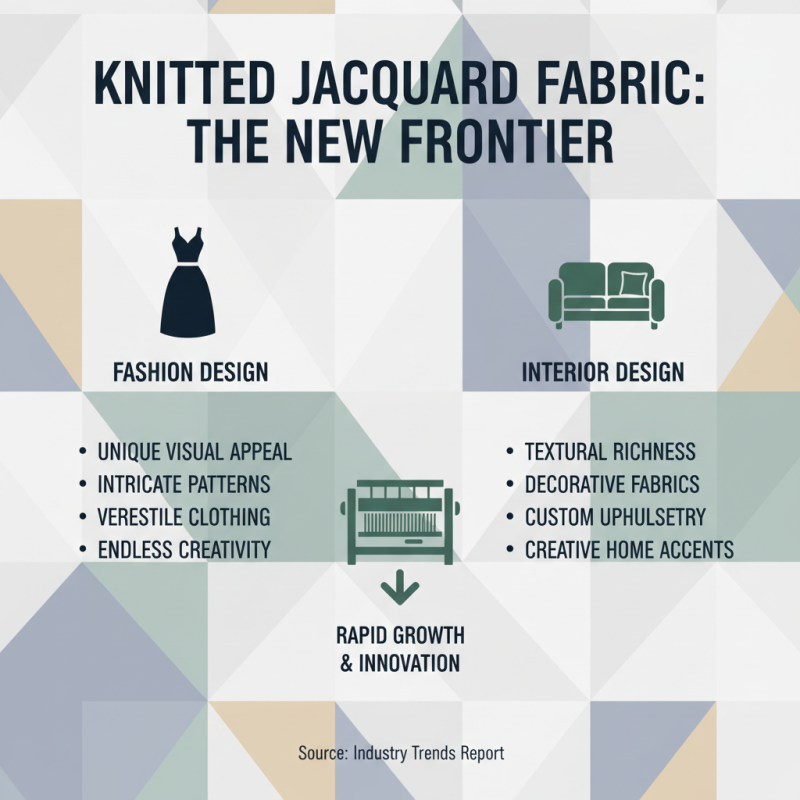
Knitted jacquard fabric is rapidly gaining traction in both fashion and interior design. The intricate patterns produced by this technique create a unique visual appeal. Designers are excited about the versatility of this fabric. It offers endless possibilities for creativity.
In fashion, knitted jacquard is being used for everything from sweaters to dresses. The texture adds depth to garments. Rich colors and complex patterns catch the eye. Yet, sometimes the patterns can be overwhelming. Finding balance in design is essential. Subtlety can elevate the piece and make it timeless.
For interior design, this fabric is transforming spaces. It is perfect for upholstery, curtains, and cushions. A knitted jacquard throw can add warmth and comfort. However, mixing patterns poses a challenge. Care must be taken not to clash styles. Thoughtful combinations lead to harmony in decor. The beauty of this fabric lies in its ability to enhance any environment, while also presenting opportunities for reflection in design choices.