2026 Top Trends in Women's Knitted Fabric for Fashion and Lifestyle?
As we approach 2026, the landscape of women's fashion continues to evolve. Women's Knitted Fabric plays a crucial role in shaping trends for the upcoming year. This material blends comfort and style, appealing to a wide audience. Designers are experimenting with textures and patterns, creating unique pieces that resonate with diverse lifestyles.
In recent years, we’ve seen a rise in sustainability within fashion. Women's Knitted Fabric is increasingly produced with eco-friendly methods. Consumers are more aware of their choices, seeking fabrics that reflect their values. However, this change requires the industry to rethink traditional practices. It is not just about beauty; it’s also about impact.
Moreover, there are challenges. The demand for innovation can lead to oversaturation. Some designs may feel repetitive or too similar. The key lies in standing out while maintaining quality. Balancing trendiness with authenticity is essential. As we look forward to 2026, Women's Knitted Fabric remains at the forefront of this dynamic industry, urging us to reflect on what truly matters in fashion.
Emerging Color Palettes in Women’s Knitted Fabrics for 2026
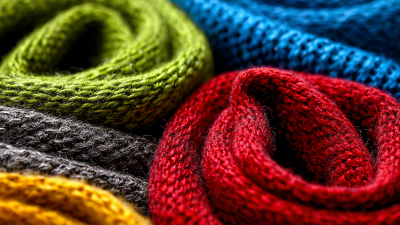
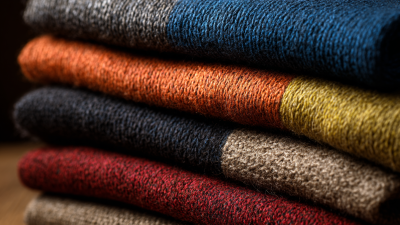
As we move into 2026, color palettes in women's knitted fabrics are set to evolve dramatically. The year will bring a refreshing mix of soft pastels and bold, earthy tones. Shades like muted lavender and warm terracotta will dominate the landscape. These colors will reflect a growing desire for comfort and connection to nature. They cater to women's need for self-expression through fashion.
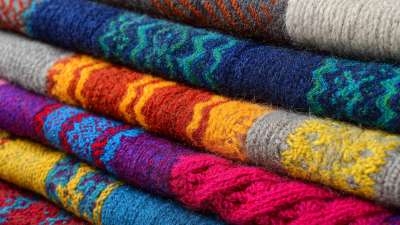
Texture will also play a crucial role in this trend. Knitted fabrics with varying textures will add depth and interest. The contrast between smooth and chunky knits can create unique visual appeals. One can envision cozy cardigans in a blend of soft beige and rusty orange, bringing warmth to autumn outfits. However, the challenge remains in balancing these colors and textures. Some combinations could feel overwhelming.
Emerging trends also include an emphasis on sustainability. Women are increasingly seeking fabrics made from recycled or organic materials. As these vibrant palettes make waves, so does the responsibility to ensure eco-friendliness. The journey to discover the perfect fabric might encounter some bumps. Not all innovations meet expectations, and consumer feedback is vital. Experimentation will lead to growth, pushing the fashion industry towards a more sustainable future.
Innovative Textures and Weaves in Fashion Knitwear Trends
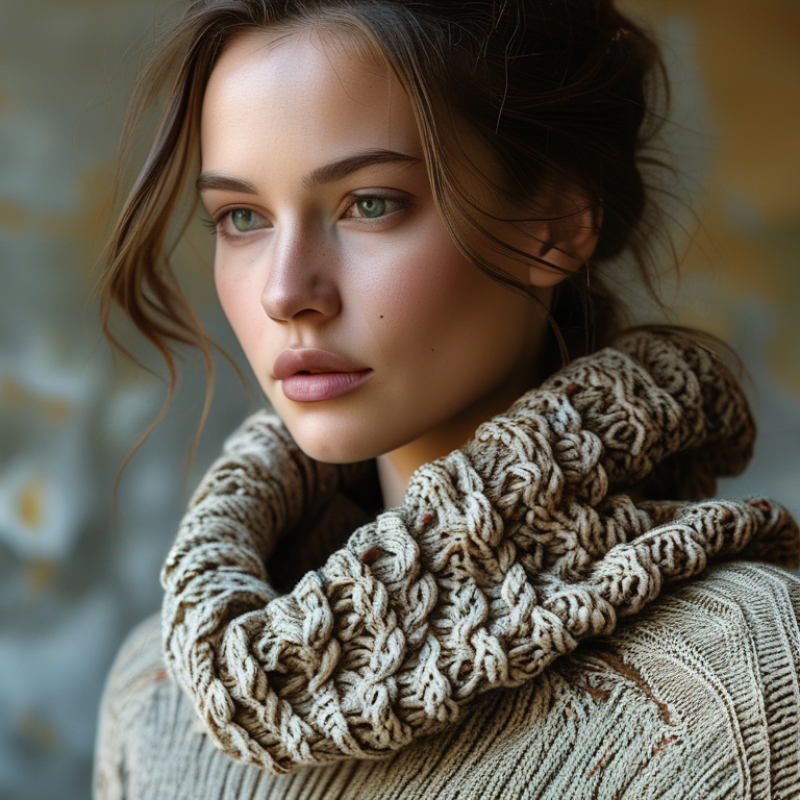
The world of women's knitted fabric is evolving rapidly, showcasing innovative textures and weaves. In 2026, knitwear will incorporate unique stitch patterns, creating a tactile experience. Textures will range from soft boucle to sleek jersey, appealing to diverse sartorial tastes. Layering different knit types will add depth and dimension to outfits. This approach encourages both functionality and style.
Sustainability will be at the forefront of fabric innovation. Designers will explore eco-friendly materials and low-impact dyeing methods. Textures that feel good against the skin will be prioritized, as comfort becomes vital in everyday wear. The emphasis on inclusivity means that these fabrics will cater to various body types, empowering women to express themselves confidently.
However, challenges remain. Not all new materials meet sustainable standards, leading to concerns about their long-term impact. Designers must balance creativity and accountability. It's crucial to ask: does this fabric truly align with ethical practices? As we embrace various textures, the fashion industry must reflect on its choices and their implications for the future.
Sustainable Practices in the Production of Women’s Knitted Fabrics
Sustainable practices in the production of women’s knitted fabrics are gaining traction in the fashion industry. Consumers are increasingly aware of their purchasing choices, seeking eco-friendly options. This shift is influencing brands to adopt more sustainable processes. Knitted fabrics made from organic cotton, hemp, and other renewable materials are on the rise. These materials not only reduce environmental impact but also enhance comfort.
Transparency in sourcing is another critical aspect. Brands are now required to disclose their supply chain practices. This clarity fosters trust with consumers who prioritize ethics. However, not all brands are fully open about their processes. Some claims of sustainability lack verification, leading to consumer skepticism. It is essential to scrutinize certifications and practices to discern authenticity in sustainability claims.
Recycling is also becoming an integral part of knitted fabric production. Waste materials can be repurposed into new fabrics, reducing overall waste. While this is a positive development, the challenge remains in ensuring such processes are efficient and scalable. As the demand for sustainable fabrics grows, it's vital to balance innovation with genuine eco-friendly practices.
Versatile Styles: From Casual to Formal in Women's Knitted Fashion
The versatility of women's knitted fabrics is becoming increasingly prominent. In 2026, we see styles that transition seamlessly from casual to formal occasions. Soft, breathable yarns are being favored for their comfort. A report from the Textile World indicates that knitted fabrics could dominate 40% of women’s fashion markets in the coming years. This shift emphasizes the need for adaptability in today’s fashion landscape.
Designers are experimenting with intricate patterns and textures. Chunky knits, ribbed finishes, and lightweight blends are making waves. As reported by the Global Fashion Agenda, 70% of consumers now prioritize versatile clothing. This preference signals a broader trend toward sustainable fashion. However, not all knitted garments are suitable for formal events. Some may lack the refinement expected in elite settings.
Innovative blends of materials are key to achieving elegance. Cotton-linen blends, for instance, provide breathability and structure. Yet, finding the perfect balance between style and comfort remains a challenge. Ultimately, the knitting trend raises questions about what truly defines ‘formal’ attire. Manufacturers must adapt to emerging consumer preferences while maintaining high-quality standards.
Influence of Technology on Knitted Fabrics in Modern Lifestyle Choices
The influence of technology on women's knitted fabrics is undeniable. Innovations in fiber production and knitting techniques have transformed the landscape of fashion. High-tech machines now create intricate designs that were once impossible. This technology allows for customization, empowering women to express their individuality through unique patterns and colors.
Moreover, sustainable practices are emerging through technology. Eco-friendly fibers are gaining traction, reflecting a rising awareness about environmental impact. Women are more conscious of their lifestyle choices, opting for sustainable options that fit their values. Yet, the challenge remains in balancing style with sustainability. Some fabrics still rely on harmful processes that compromise the planet's health.
Digital platforms are reshaping retail experiences too. Online shopping allows for instant access to the latest trends. Women can easily compare styles and prices, making informed decisions. However, this convenience can lead to impulse buying, raising concerns about overconsumption. As technology evolves, the fashion industry must continually adapt, ensuring it promotes ethical choices while catering to modern needs.
2026 Top Trends in Women's Knitted Fabric for Fashion and Lifestyle