2026 Best Viscose Knitted Fabric Trends for Global Buyers?
As the fashion industry evolves, the demand for innovative materials remains high. Viscose Knitted Fabric stands out due to its softness and versatility. Its ability to blend comfort with style appeals to global buyers looking for modern fabric trends.
In 2026, several key trends are emerging in Viscose Knitted Fabric that buyers should consider. Environmentally friendly production methods are gaining traction. Sustainability is not just a buzzword; it is becoming essential in fabric choices. Buyers may find this shift refreshing yet challenging. They must balance quality with eco-consciousness.
Additionally, the aesthetic possibilities with Viscose Knitted Fabric are expanding. Designers are experimenting with vibrant colors and unique textures. However, this pursuit of innovation might sometimes overshadow practicality. Buyers will need to evaluate the durability amid the trendiness of these designs.
Key Features of Viscose Knitted Fabrics in 2026
Viscose knitted fabrics are gaining attention among global buyers in 2026. These fabrics are known for their softness and breathability. They are lightweight, making them ideal for various apparel. The key feature of viscose is its luxurious feel, often compared to silk. This quality appeals to consumers seeking comfort and style.
Another notable characteristic is its versatility. Viscose can be blended with other fibers, enhancing strength and durability. This blend allows for unique textures and patterns, meeting the diverse tastes of fashion enthusiasts. In addition, eco-friendly production methods are becoming more prominent. Sustainable practices in sourcing viscose are essential for environmentally conscious consumers.
Yet, challenges exist. The maintenance of viscose fabrics can be difficult. They often require special care to retain their shape and appearance. Buyers need to consider these factors when selecting materials. As trends evolve, the demand for high-quality, yet easy-to-care-for fabrics remains a priority for designers and consumers alike.
Sustainable Practices in Viscose Fabric Production
Sustainable practices in viscose fabric production have gained traction among global buyers. The textile industry faces scrutiny over environmental effects. Reports reveal that the production of viscose can lead to significant deforestation, particularly in sensitive ecosystems. In 2021, approximately 65% of viscose came from untraceable sources, raising sustainability concerns.
Efforts are underway to improve the traceability of viscose fibers. Innovative models aim to provide transparency in sourcing. The use of closed-loop production methods is growing, which reduces waste and conserves resources. Studies show that these methods can reduce water consumption by 90% and cut emissions significantly.
Despite progress, challenges remain. Not all manufacturers prioritize eco-friendly practices. Many still lack certifications, undermining consumer trust. Furthermore, transitioning to sustainable methods often requires significant investment. The industry must address these obstacles to meet growing demand for responsible materials.
Emerging Colors and Patterns for Viscose Knits
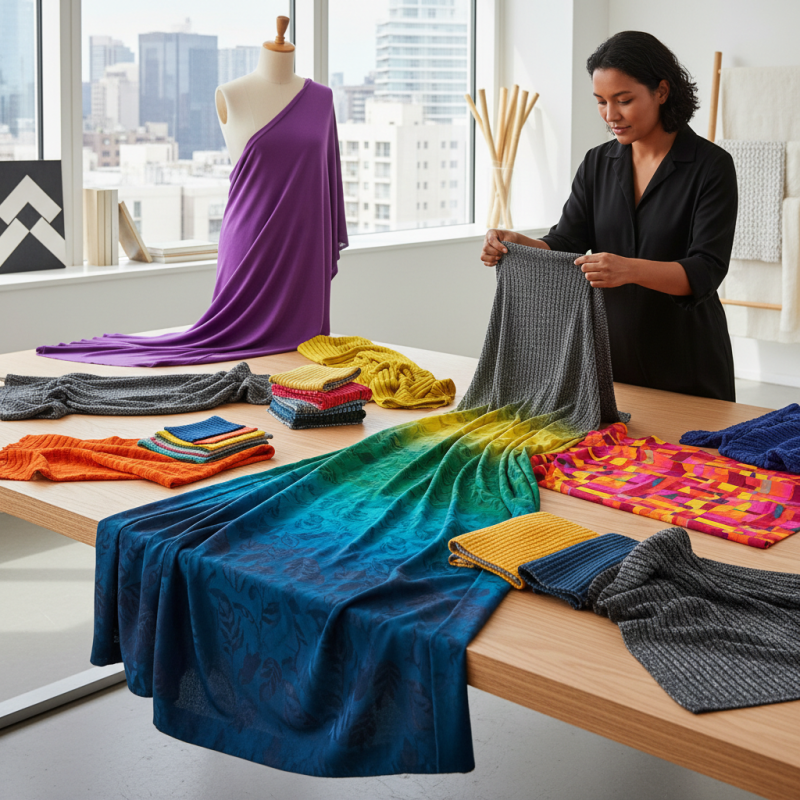
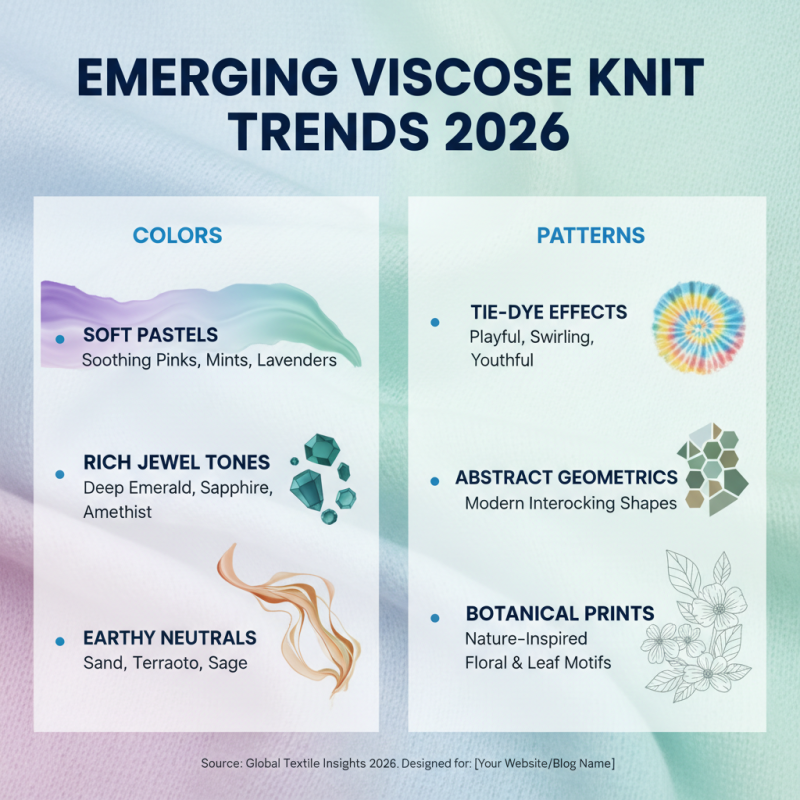
The emerging colors and patterns in viscose knitted fabrics for 2026 are captivating global buyers. Viscose offers versatility, allowing for vibrant hues and intricate designs. Soft pastels are likely to dominate, bringing a soothing touch. Rich jewel tones will also surface, adding depth and luxury. Unique tie-dye effects may reignite interest, appealing to younger consumers.
When selecting colors, consider the seasonality of trends. Warm tones can enhance autumn styles, while cool shades lend a summery feel. Patterns will shift towards bold geometrics and organic shapes. These motifs will attract attention and provide a fresh aesthetic.
Tips: Experiment with color combinations that contrast yet harmonize. Don't hesitate to blend textures with varying weights. Next, pay attention to sustainability. Eco-friendly production processes resonate with buyers. A balance of style and responsibility will enhance the appeal of viscose knits. Reflect on how these trends fit your vision and brand identity.
Technological Innovations in Viscose Fabric Production
Viscose fabric is evolving, driven by technological innovations in production. In recent years, the viscose industry has seen a shift towards sustainability. According to a report by Textile Exchange, around 4.5 million tons of viscose were produced globally in 2021. These numbers highlight the growing demand for this fiber, yet the manufacturing process remains energy-intensive.
New technologies are being adopted to improve efficiency. For instance, closed-loop production systems are becoming more common. This method recycles water and solvents, minimizing waste. A study from the International Textile Manufacturers Federation indicates that such advancements can reduce water usage by up to 90%. These innovations provide a pathway for reducing the carbon footprint of viscose.
Despite progress, challenges persist. The environmental impact of sourcing raw materials, like wood pulp, raises concerns about deforestation. Reports suggest that 70% of viscose production relies on trees from endangered forests. This reality underscores the need for more transparent supply chains. As global buyers seek sustainable options, manufacturers must address these pressing issues while advancing production technology.
2026 Best Viscose Knitted Fabric Trends for Global Buyers
| Trend |
Description |
Technological Innovation |
Sustainability Aspect |
Market Insight |
| Eco-friendly Viscose |
Focus on sustainable production methods |
Closed-loop production systems |
Uses biodegradable materials |
Growing demand from eco-conscious consumers |
| Moisture-Wicking Fabrics |
Enhanced comfort for activewear |
New fiber technologies |
Reduced water usage in production |
Increased market share in sportswear segment |
| Fashion-Forward Patterns |
Trendy designs appealing to younger demographics |
Digital printing technologies |
Use of recycled dyes |
High demand in fast fashion |
| Lightweight Viscose |
Ideal for summer clothing |
Innovations in fiber blending |
Less energy-intensive processes |
Growing trend in seasonal collections |
| Biodegradable Treatments |
Enhancing fabric lifespan while being eco-friendly |
Use of natural enzymes in finishing |
Aligns with circular economy principles |
Attracting environmentally focused brands |
Market Trends and Consumer Preferences for 2026 Viscose Fabrics
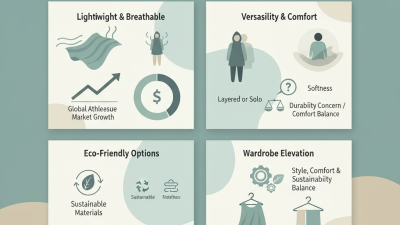
Viscose fabrics are gaining traction in 2026, driven by evolving consumer preferences. Lightweight and breathable, these fabrics appeal to buyers seeking comfort and style. Sustainability remains a priority. Consumers increasingly demand eco-friendly materials. Viscose's biodegradable nature meets this growing need.
Fashion trends emphasize vibrant colors and unique textures for the coming year. Buyers are looking for versatile viscose knits that can transition from casual to formal settings. Textured fabrics offer a tactile experience, inviting more engagement. Yet, quality remains a concern. Not all viscose is created equal. Some options may lack durability, which frustrates customers.
Understanding these dynamics in the viscose fabric market is essential. As tastes change, manufacturers must adapt. The challenge lies in balancing sustainability with quality and affordability. With consumers becoming more discerning, brands need to reflect on how they source and manufacture viscose fabrics. Trust will be the key to success in this competitive landscape.
2026 Best Viscose Knitted Fabric Trends
This bar chart illustrates the trends in consumer preferences for viscose knitted fabrics in 2026. The data represents the percentage of consumers prioritizing different factors when choosing fabrics, highlighting a strong inclination towards sustainability and comfort.