Top 10 Benefits of Knit Fabric You Need to Know?
Knit fabric has garnered attention for its versatility and comfort in the textile industry. According to a recent report by Grand View Research, the global knit fabric market size was valued at approximately $50 billion in 2022 and is expected to grow at a CAGR of 7.8% from 2023 to 2030. This growth is driven by the increasing demand for athleisure wear and sustainable clothing options. Experts like Dr. Emily Carter, a leader in textile engineering, emphasize that “Knit fabric not only offers superior comfort but also aligns with modern consumer expectations for sustainability.”
Knit fabric is unique as it stretches and shapes to fit the body. This elasticity makes it popular for a variety of applications, from casual wear to high-performance gear. The softness of knit fabric enhances the overall wearing experience. However, challenges remain in ensuring consistency in quality and durability. It is crucial for manufacturers to focus on these aspects to meet market demands effectively.
With the market expanding, there is significant room for innovation in knit fabric technology. Emphasizing eco-friendly materials can also help brands stand out. As the industry progresses, it is vital to address both the benefits and the shortcomings of knit fabric to better serve consumer needs.
Understanding Knit Fabric: What It Is and How It Differs from Woven Fabric
Knit fabric is a popular choice for clothing and other textile products. This fabric is made by interlocking loops of yarn. It offers a stretchiness that woven fabrics simply do not possess. The structure of knit fabric allows it to be comfortable and form-fitting, making it an excellent option for activewear and casual clothing. It hugs the body without being restrictive.
Woven fabric, on the other hand, is created by weaving yarns together, which produces a firmer texture. This can lead to a less flexible feel compared to knit fabrics. While woven fabrics can be very durable, they often lack the softness and elasticity that knit offers.
Knit fabrics can sometimes pill or lose shape over time, despite the initial comfort. Choosing the right fabric for a project requires careful thought. Recognizing these differences can help in making more informed decisions when selecting materials.
Enhanced Comfort: The Softness and Stretch of Knit Fabric Explained
When it comes to clothing, comfort is key. Knit fabric truly shines in this area. The softness of knit material welcomes your skin. It's a cozy choice for various garments, from T-shirts to leggings. Unlike stiffer fabrics, knit can stretch and move with you. This flexibility allows for a better fit. You can bend, stretch, and enjoy freedom in your movements.
The stretchiness of knit fabric is also appealing. It hugs your body without feeling restrictive. This makes it perfect for active wear or lounging around at home. However, not all knit fabrics are created equal. Some may be too thin and may not provide enough support. It's essential to choose wisely based on your needs.
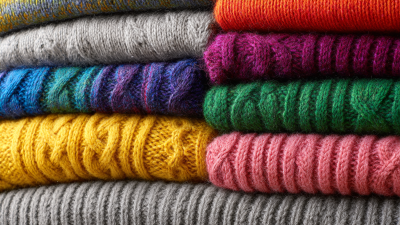
Knit fabric also offers varied textures. You might find it smooth or with more intricate patterns. Each option provides a unique feel. While most knits are breathable, some can retain heat. In warmer weather, that could lead to discomfort. Thus, consider the climate when selecting your knit clothing.
Top 10 Benefits of Knit Fabric You Need to Know
| Benefit |
Description |
| Enhanced Comfort |
Knit fabric is soft against the skin, providing a comfortable experience for all-day wear. |
| Exceptional Stretch |
The elasticity of knit fabric allows for a wide range of motion, making it ideal for activewear. |
| Breathability |
Knit fabrics are breathable, helping to regulate body temperature and keep you comfortable. |
| Versatile Styles |
Available in various patterns and textures, knit fabrics can be used for different clothing styles. |
| Easy Care |
Most knit fabrics are machine washable and require minimal ironing, making maintenance simple. |
| Durable |
Knit fabrics can withstand wear and tear, offering long-lasting use in everyday clothing. |
| Warmth |
Knit fabrics provide warmth without being overly bulky, perfect for layering in colder weather. |
| Eco-Friendly Options |
Many knit fabrics are made from sustainable materials, promoting eco-friendliness in fashion. |
| Perfect Fit |
Because of their stretch, knit fabrics conform to the body, providing a flattering and fitted appearance. |
| Texture Variety |
Different knitting techniques create a range of textures, adding visual interest to garments. |
Versatility in Fashion: How Knit Fabric Adapts to Different Styles
Knit fabric offers incredible versatility in fashion. Its adaptability allows it to seamlessly shift from casual wear to high-fashion statements. According to a 2021 market research report, knit fabrics accounted for over 45% of the global textile industry revenue. This growth highlights their importance in clothing design.
Knit fabrics drape elegantly, providing comfort without sacrificing style. They easily adapt to various silhouettes, whether it’s form-fitting or oversized. This flexibility caters to diverse body types and personal styles. Trend reports indicate that athleisure has grown by 30% annually. Knit fabrics are key players in this trend, as they blend functionality with fashion.
However, not all knit fabrics are created equal. Some lack durability, leading to pilling and wear after repeated use. Designers must consider the quality of yarn and knitting techniques. It’s crucial to strike a balance between style and practicality. When done right, knit fabrics can redefine a wardrobe, but issues of quality must not be overlooked.
Top 10 Benefits of Knit Fabric
Breathability and Moisture-Wicking: Benefits for Active Wear and Casual Use
Knit fabric is becoming a staple in both active wear and casual outfits. Its breathability is one of the standout features. When you’re working out or simply enjoying a walk, knit fabric allows air to flow easily. This airflow helps regulate your body temperature. It feels fresh even during intense activities.
Moisture-wicking is another incredible benefit. Sweat is inevitable during any physical exertion. Luckily, knit fabric pulls moisture away from your skin. This feature keeps you dry and comfortable. Imagine finishing a run without that sticky feeling. Yet, not every knit holds up perfectly. Some may not wick moisture efficiently, requiring a bit of research before choosing.
For casual use, the softness of knit fabric is alluring. It wraps around your body, providing comfort. However, its durability can be a concern over time. Some knits may stretch out after multiple washes. You might find that some fabrics lose shape. It’s important to choose wisely. Testing out different types can be beneficial.
Durability and Care: Long-lasting Qualities of Knit Fabric in Everyday Use
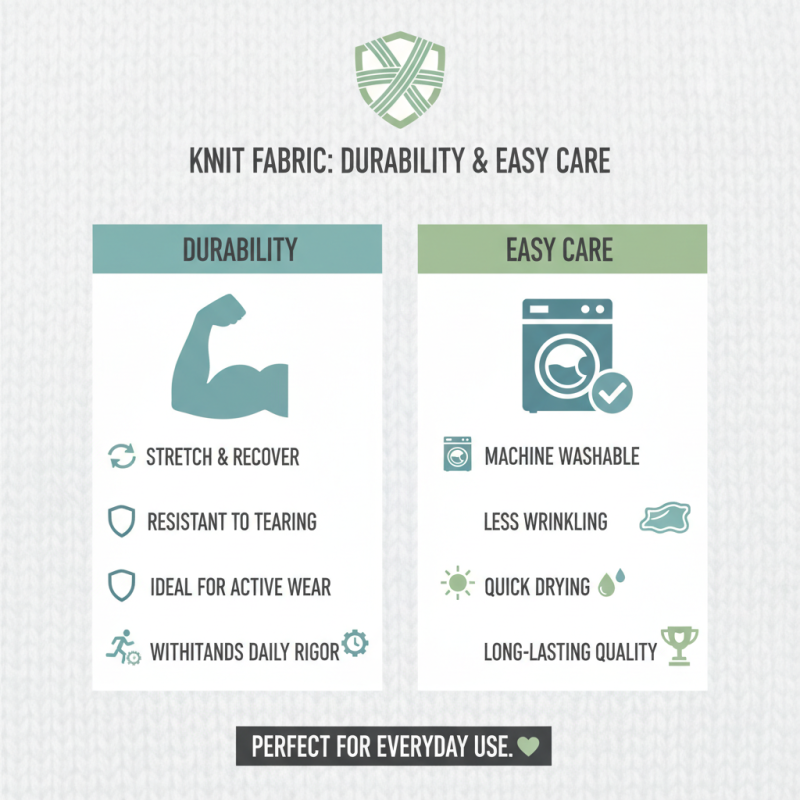
Knit fabric offers remarkable durability and easy care, making it an ideal choice for everyday use. The stretchy, flexible nature of knits allows garments to withstand the rigors of daily wear. Unlike woven fabrics, knits stretch and recover well, reducing the chance of tearing. This is particularly beneficial for active lifestyles, where flexibility is essential.
Cleaning knit fabric is often a breeze. Most items are machine washable, saving time and effort in maintenance. Stains lift easily, and the fabric retains its shape even after numerous washes. However, you may still encounter pilling or fading over time. Regular care is important to maintain their appeal.
Choosing the right type of knit can significantly impact its longevity. While thicker knits tend to last longer, finer ones provide a soft touch. Balance between comfort and durability is key. Some may prefer the cozy feel of lighter knits, but these may wear out faster. It's essential to think about how you'll use the fabric. Selecting the right knit can reflect both personal style and practical needs.