Top 10 Benefits of Viscose Knitted Fabric for Fashion and Home Textiles
Viscose knitted fabric has emerged as a popular choice in the realms of fashion and home textiles, captivating designers and consumers alike with its unique properties and versatile applications. Made from regenerated cellulose fibers, this material combines the luxurious feel of natural fibers with the durability of synthetics, making it an ideal fabric for a wide range of uses. As we explore the top 10 benefits of viscose knitted fabric, it becomes evident that its lightweight, breathable nature makes it perfect for fashionable garments, while its soft texture ensures comfort and elegance.
Moreover, the aesthetic appeal of viscose knitted fabric cannot be overstated. It drapes beautifully and holds color exceptionally well, allowing for vibrant designs that enhance any wardrobe or living space. The fabric's ability to wick moisture adds to its comfort level, making it suitable for year-round wear. In the home textiles sector, its versatility is seen in everything from chic throw blankets to stylish curtain fabrics, enriching interiors with its sophisticated look. As we delve deeper into the benefits of viscose knitted fabric, it is clear that this material is not only practical but also embodies the elegant style and comfort that modern consumers are seeking.

Benefits of Viscose Knitted Fabric in Fashion and Home Textiles
Viscose knitted fabric has gained popularity in both fashion and home textiles due to its unique qualities. This type of fabric is known for its softness and breathability, making it an ideal choice for garments like dresses and activewear. Its lightweight nature allows for comfortable wear, while the smooth texture feels luxurious against the skin. For home textiles, viscose knitted fabric lends an elegant touch to items like cushions and throws, enhancing the overall aesthetic of any space.
When incorporating viscose knitted fabric into your wardrobe or home decor, consider mixing it with other materials to create a balanced look. For instance, pairing a viscose cardigan with cotton or linen clothing can add dimension to an outfit. In home textiles, combining viscose cushion covers with canvas or burlap can produce a chic yet relaxed atmosphere.
**Tips:** To maintain the quality of viscose fabric, always follow care instructions carefully. Hand washing in cold water and air drying can preserve its softness and prevent shrinking. Additionally, be mindful of color fading; using a color-safe detergent and washing similar colors together can help keep your items vibrant longer.
Unique Properties of Viscose That Enhance Comfort and Wearability
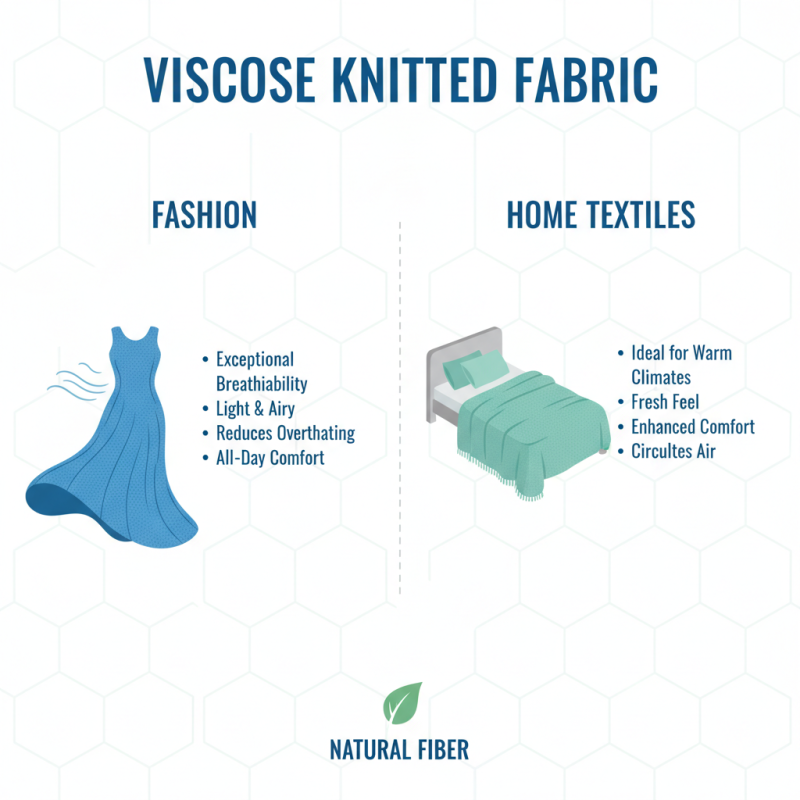
Viscose knitted fabric stands out in both fashion and home textiles due to its unique properties that significantly enhance comfort and wearability. One of the most notable attributes of viscose is its exceptional breathability. This natural fiber allows air to circulate, making it an ideal choice for garments and home textiles that are worn or used in warmer conditions. The result is a fabric that feels light against the skin, reducing the risk of overheating and ensuring a comfortable experience throughout the day.
Additionally, the soft texture of viscose is a key factor in its popularity. Unlike synthetic fibers, viscose mimics the smooth feel of silk, providing a luxurious touch that elevates any clothing item or home accessory. This softness not only enhances the perception of comfort but also contributes to ease of movement, making viscose an excellent choice for activewear and casual clothing. Furthermore, the fabric’s natural drape provides an elegant silhouette, whether in flowing dresses or beautifully arranged curtains, ensuring that style does not compromise comfort.
Sustainability Aspects of Viscose in Textile Production
Viscose, a semi-synthetic fiber derived from natural cellulose, has gained significant traction in textile production, particularly for its sustainability aspects. The environmental footprint of viscose production is notably lower than that of many traditional synthetic fibers. Sourcing cellulose from renewable materials, such as wood pulp, allows for a more eco-friendly approach. Moreover, advancements in production processes are leading to closed-loop systems that minimize waste and recycle water, reducing pollution in manufacturing environments.
In addition to its lower environmental impact, viscose knitted fabric contributes to sustainable fashion by providing an alternative to petroleum-based fibers. Its biodegradability means that products made from viscose can decompose naturally, lessening their impact on landfills. The versatility and comfort of viscose also encourage longevity in fashion items, promoting a shift towards mindful consumer behavior. As consumers become increasingly aware of their ecological footprint, viscose serves as a commendable choice for those seeking stylish yet sustainable options in both fashion and home textiles.
Top 10 Benefits of Viscose Knitted Fabric for Fashion and Home Textiles - Sustainability Aspects of Viscose in Textile Production
| Benefit |
Description |
Sustainability Aspect |
| Breathability |
Viscose fabric allows air circulation, making it comfortable to wear. |
Produced from cellulose, which is biodegradable. |
| Softness |
Viscose is soft to the touch, providing a luxurious feel. |
Sourced from sustainable forests for tree planting. |
| Versatility |
Can be used in various types of garments and home textiles. |
Manufacturing processes can be adjusted to reduce waste. |
| Color Retention |
Holds dye well, resulting in vibrant colors. |
Reduced need for chemical finishes due to natural dye fixing. |
| Moisture Absorption |
Absorbs moisture effectively, keeping wearers dry. |
Less energy-intensive than synthetic fibers during processing. |
| Shrinkage Control |
Good resistance to shrinkage when properly processed. |
Sustainable production methods minimize fiber loss. |
| Eco-Friendly |
Can be produced from renewable resources. |
Biodegradable, reducing environmental impact. |
| Thermal Regulation |
Helps maintain a comfortable body temperature. |
Less reliance on synthetic insulation materials. |
| Impact on Local Economies |
Can support labor-intensive jobs in agriculture and production. |
Promotes sustainable development in rural areas. |
| Durability |
When properly cared for, viscose can be long-lasting. |
Requires less frequent replacement compared to other materials. |
Versatility of Viscose Knitted Fabrics for Different Styles and Uses
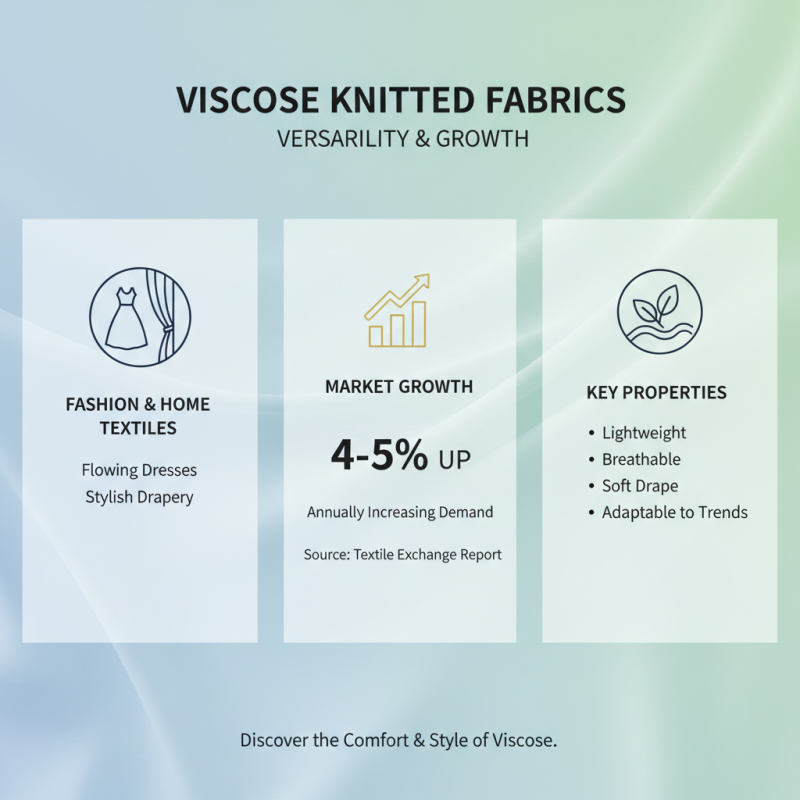
Viscose knitted fabrics have gained significant popularity in both fashion and home textiles due to their remarkable versatility. According to a report by Textile Exchange, the viscose market is expected to grow steadily, with demand projected to increase by 4-5% annually. This rise can be attributed to the fabric's ability to cater to various styles, from casual wear to elegant home decor. The lightweight and breathable properties of viscose make it ideal for crafting everything from flowing dresses to stylish drapery, adapting effortlessly to seasonal trends.
Furthermore, the ecological aspects of viscose knitted fabrics contribute to their growing appeal. Many manufacturers are now focusing on sustainable production processes, leading to a surge in eco-friendly viscose options. The global eco-friendly textile market is projected to reach $8.25 billion by 2025, reflecting a shift in consumer preferences towards sustainable fabrics. This versatility not only encompasses aesthetic appeal but also addresses the increasing demand for environmentally responsible choices in both fashion and home furnishings. With their adaptability across various applications, viscose knitted fabrics are well-positioned to meet contemporary consumer needs while offering style and comfort.
Care and Maintenance Tips for Viscose Knitted Textiles
Caring for viscose knitted textiles is essential to retain their beauty and durability. According to the Textile World Association, viscose accounts for nearly 6% of the global fiber market, highlighting its significance in the textile industry. To maintain the quality of these fabrics, it is crucial to follow specific care tips. First, always wash viscose fabrics in cold water to prevent shrinking and fading. A gentle cycle in a machine can be used, but hand washing is often recommended to minimize agitation. Additionally, using a mild detergent designed for delicate textiles can help preserve the fabric's integrity.
After washing, it's best to air-dry viscose knitted garments by laying them flat on a clean, dry towel, avoiding direct sunlight to prevent discoloration. The American Cleaning Institute notes that this method helps maintain the shape and quality of the fabric. If ironing is necessary, adjust the iron to a low setting and use a press cloth to avoid direct contact with the viscose. Following these care guidelines not only prolongs the life of the garment but also enhances the vibrancy and softness that makes viscose a popular choice for fashion and home textiles alike.
Top 10 Benefits of Viscose Knitted Fabric for Fashion and Home Textiles
This bar chart illustrates the top ten benefits of viscose knitted fabric, rated on a scale from 1 to 10. The benefits highlighted include softness, breathability, moisture absorbency, and eco-friendliness, among others, demonstrating why viscose is a popular choice in fashion and home textiles.