2026 Best Circle Machine Knitted Fabric for Your Projects?
In the world of textile design, Circle Machine Knitted Fabric stands out due to its versatility and unique texture. As we look to the future, 2026 presents new opportunities for creators. The demand for high-quality knitted fabric is growing rapidly. Designers are constantly exploring fresh ideas. They seek materials that enhance their projects with vibrant colors and innovative patterns.
Circle Machine Knitted Fabric offers an expansive variety of options. These fabrics can be used for garments, home décor, and accessories. However, choosing the right fabric can be challenging. Some may find it overwhelming to navigate the vast array of textures and weights. It’s not easy to balance quality with aesthetic appeal. Creators often reflect on their choices and seek advice from seasoned professionals.
Ultimately, the right Circle Machine Knitted Fabric can elevate any project. It provides the perfect foundation for creativity. With careful consideration, artists can find their ideal match, ensuring their designs shine. Embracing this journey is part of the creative process, full of learning and growth.
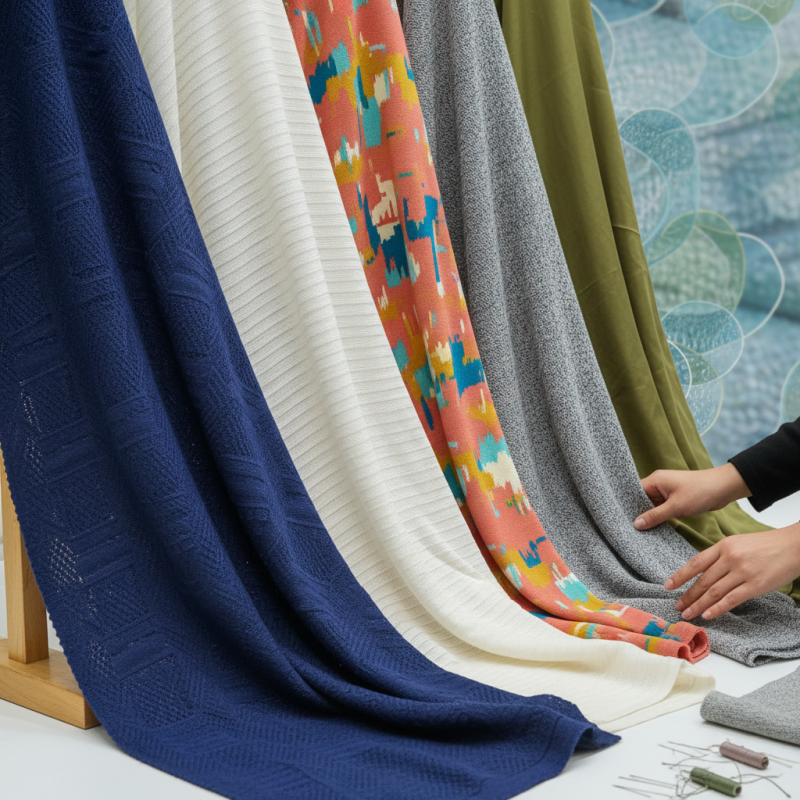
Understanding Circle Machines: What They Are and How They Work
Circle machines are a unique type of knitting equipment. They produce seamless knitted fabric, making them invaluable in various textile projects. Understanding their operation is essential for anyone diving into this craft.
These machines rely on a series of rotating needles. Each needle picks up yarn in a synchronized pattern. According to a recent industry report, seamless technology has increased demand by 25% over the past five years. This growth highlights the benefits of efficiency and waste reduction these machines offer. Traditional knitting often leaves significant fabric remnants. In contrast, circle machines optimize yarn use, minimizing this waste.
However, mastering circle machines can be tricky. Operators may face challenges with tension control, impacting fabric quality. The learning curve can be steep for beginners. Precision in tuning the machine is vital. Even minor errors can lead to flawed output. It's crucial to regularly assess your technique and make adjustments where necessary. Learning and refining these skills takes time, but the results can be rewarding.
2026 Best Circle Machine Knitted Fabric for Your Projects
| Fabric Type |
Material |
Weight (g/m²) |
Stretch (%) |
Ideal Uses |
| Cotton Blend |
Cotton/Polyester |
190 |
20 |
Activewear, T-shirts |
| Microfiber |
Polyester |
150 |
30 |
Lightweight garments, linings |
| Acrylic Knit |
Acrylic |
250 |
40 |
Sweaters, blankets |
| Bamboo Fabric |
Bamboo Viscose |
180 |
25 |
Eco-friendly clothing, undergarments |
| Nylon Spandex |
Nylon/Spandex |
220 |
50 |
Activewear, leggings |
Types of Knitted Fabrics: Exploring Your Options for Projects
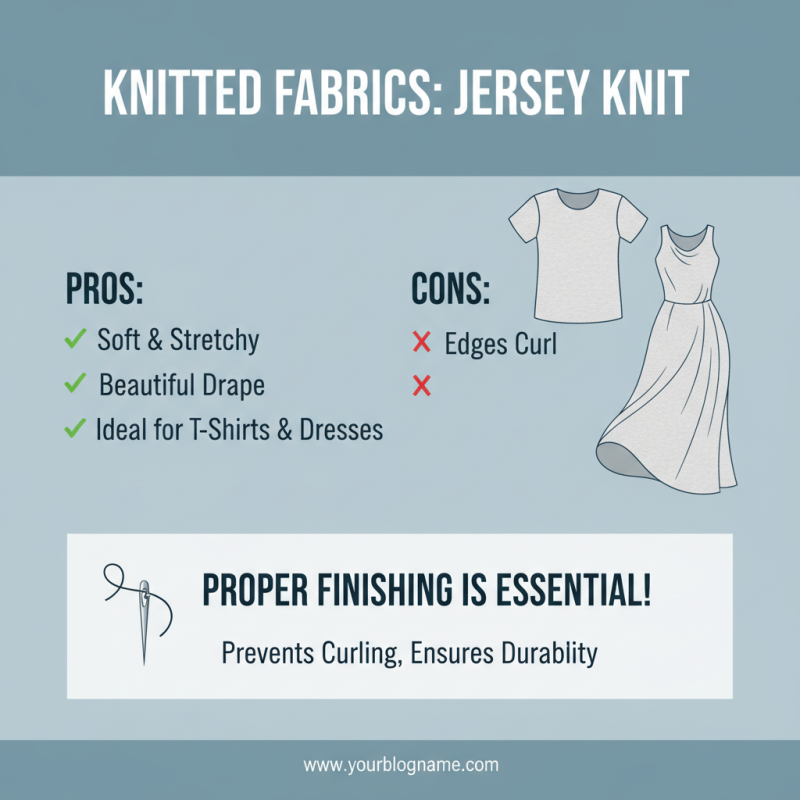
Knitted fabrics offer a world of options for your projects. When exploring types, consider jersey knit. This fabric is soft and stretchy. It drapes beautifully, making it ideal for t-shirts and dresses. However, its tendency to curl at the edges can pose challenges. Proper finishing techniques are essential to prevent this.
Another option is rib knit. This fabric features raised vertical lines. Rib knit provides excellent elasticity, which works well for fitted garments. It’s often used in cuffs and collars. A drawback is that it can be too clingy for some body types. Careful pattern selection can help create flattering silhouettes.
Lastly, don’t overlook interlock knit. This type is thicker and sturdier than jersey knit. It is perfect for both casual and formal wear. However, its weight can be a drawback in warmer climates. Choosing the right project is key to maximizing interlock’s benefits while minimizing discomfort. Each fabric carries its unique advantages and drawbacks; understanding them is crucial for your success.
Top Features to Look for in a Circle Knitting Machine
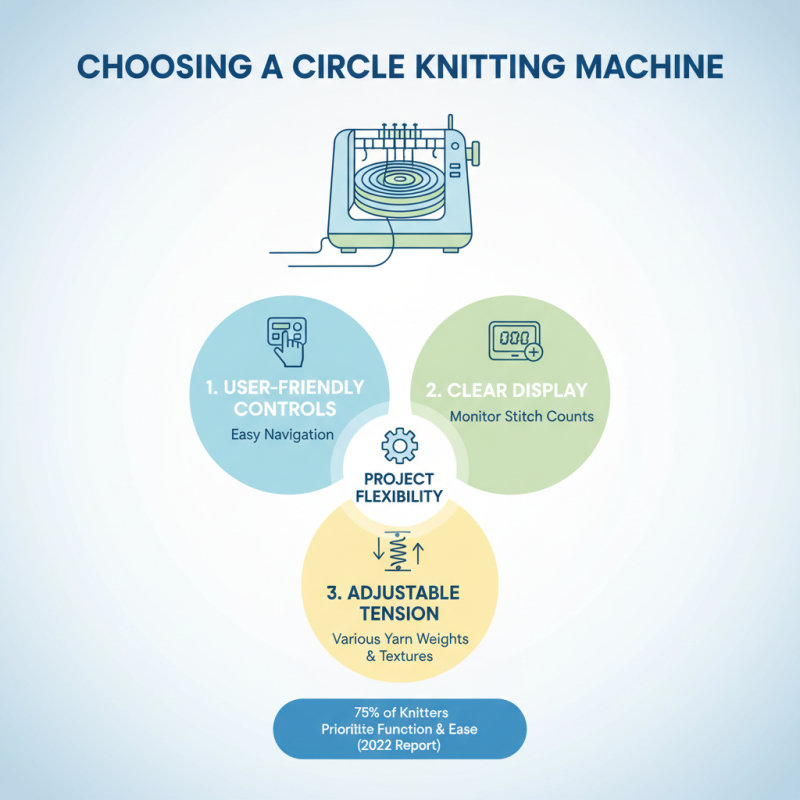
When choosing a circle knitting machine, specific features significantly impact your projects. Look for user-friendly controls that enhance your experience. A clear display makes it easier to monitor stitch counts. Machines with adjustable tension settings allow you to create various fabric textures. This flexibility is vital, as each project often requires different yarn weights. According to a 2022 industry report, 75% of knitters prefer machines that balance functionality and ease of use.
Tip: Consider the machine's yarn compatibility. Not all machines work well with every type of yarn, and mismatched combinations can lead to frustration. Investigate models known for their versatility. Additionally, ensure the machine can handle varying stitch patterns. This capability allows for unique designs, which is essential for creative projects.
Lastly, examine the machine's maintenance requirements. Some machines may offer advanced features but can be challenging to service. A complex setup can lead to downtime, which is frustrating during busy seasons. Reflect on the time investment you are willing to make. Simplicity often leads to more enjoyable crafting experiences. Ultimately, your choice should align with your skill level and design goals.
Best Materials for Knitted Fabric: Making the Right Choice
When selecting materials for knitted fabric, it’s crucial to consider the end-use of your project. Not all yarns are created equal. Natural fibers like cotton and wool offer breathability and warmth, while synthetic fibers, such as acrylic, provide durability and elasticity. According to the Textile Industries Association, around 70% of knitters prefer blends for versatility. This data highlights the significance of choosing the right materials.
Tip: Always test a small swatch before committing to a large project. This helps in evaluating the fabric’s texture and stretch. Consider the weight of the yarn too; lighter fabrics work better for summer garments, while heavier ones are suited for winter wear.
The choice you make can impact your creation's appearance and function. Mistakes happen often; sometimes a fabric blends poorly with a specific design. Reports indicate that 30% of knitters abandon projects due to material dissatisfaction. Reflect on your choices carefully. Opt for materials that align with both your vision and the practicality of the project.
Recommended Brands and Models of Circle Knitting Machines for 2026
When it comes to creating unique knitwear, a circle knitting machine can be a game-changer. In 2026, many brands are delivering innovative machines that cater to various skill levels. Consider features like stitch quality, ease of use, and versatility. Each machine has its strengths. You need to identify which suits your projects best.
A tip: always check the machine's specifications. Some machines are better for finer yarns, while others handle thicker yarns efficiently. Think about what you want to create. A machine that excels in one area may not be perfect for another. Make a list of your priorities before diving into your purchase. This crucial step can save you time and frustration later on.
Additionally, don't forget to explore online reviews and community forums. Other users often share their hands-on experiences. Their insights could reveal potential issues or hidden gems. Be open to both praise and criticism. Remember, no machine is flawless. Understand its limitations, and you'll be better prepared to tackle your projects.
2026 Best Circle Machine Knitted Fabric Projects