Best Knitted Apparel Fabric for Global Buyers in 2026?
As global interest in sustainable fashion grows, the demand for high-quality knitted apparel fabric is on the rise. In 2026, buyers will seek fabrics that combine comfort, durability, and eco-friendliness. Knitted apparel fabric stands out due to its versatility and adaptability. It is essential for manufacturers to explore innovative techniques and sustainable materials to meet this demand.
Buyers have specific expectations. They want fabrics that are not only stylish but also have a low environmental impact. The challenge lies in balancing aesthetics and sustainability. Some brands may struggle to find the right suppliers or materials that meet these standards. This presents an opportunity for improvement and reflection in the industry.
With advancements in technology, new knitted apparel fabric options are emerging. These fabrics often feature moisture-wicking properties and enhanced breathability. However, buyers must navigate the complexities of sourcing responsibly. The journey towards optimal knitted apparel fabric requires a commitment to quality and sustainability.

Best Knitted Apparel Fabrics: Trends and Predictions for 2026
As we approach 2026, knitted apparel fabrics are set to transform significantly. Eco-friendly materials are gaining traction.
Sustainable fibers, such as organic cotton and recycled polyester, are becoming popular.
Consumers are more aware of their purchasing choices. They want fabrics that respect the environment.
Innovative knitting techniques are also on the rise. Three-dimensional knitting allows for unique textures and patterns.
This method can reduce waste during production.
Knitters and designers alike will need to embrace new technologies to keep up.
However, this shift can pose challenges.
Learning these techniques may require retraining and investment.
Comfort remains a priority for buyers worldwide.
Fabrics should not only be stylish but also functional.
Breathable, moisture-wicking materials are in demand.
The challenge lies in finding the right balance between durability and softness.
While the trends offer exciting opportunities,
the industry must navigate these complexities.
Adapting to rapid changes requires careful thought and planning.
Market Analysis: Key Factors Driving Knitted Apparel Fabric Choices
The global knitted apparel fabric market is evolving rapidly. Key factors drive the choices for buyers in this sector. Sustainability is at the forefront. Many consumers now prefer eco-friendly materials. Fabrics made from recycled fibers are gaining traction. They appeal to a growing demographic focused on environmental impact.
Another significant factor is comfort. Buyers seek soft and stretchy materials. Innovations in yarn technology enhance the feel of knitted fabrics. Buyers are more informed than ever. Online resources and expert reviews influence their decisions. They look for durability alongside style.
Cost is a constant concern. Budget constraints can limit options for many consumers. However, the demand for high-quality fabrics continues to rise. Finding a balance between price and quality remains challenging. Some buyers may compromise on fabric quality for affordability. This could lead to dissatisfaction down the line. Each choice reflects the buyer's values and priorities.
Sustainable Fabrics: The Rise of Eco-Friendly Knitted Options
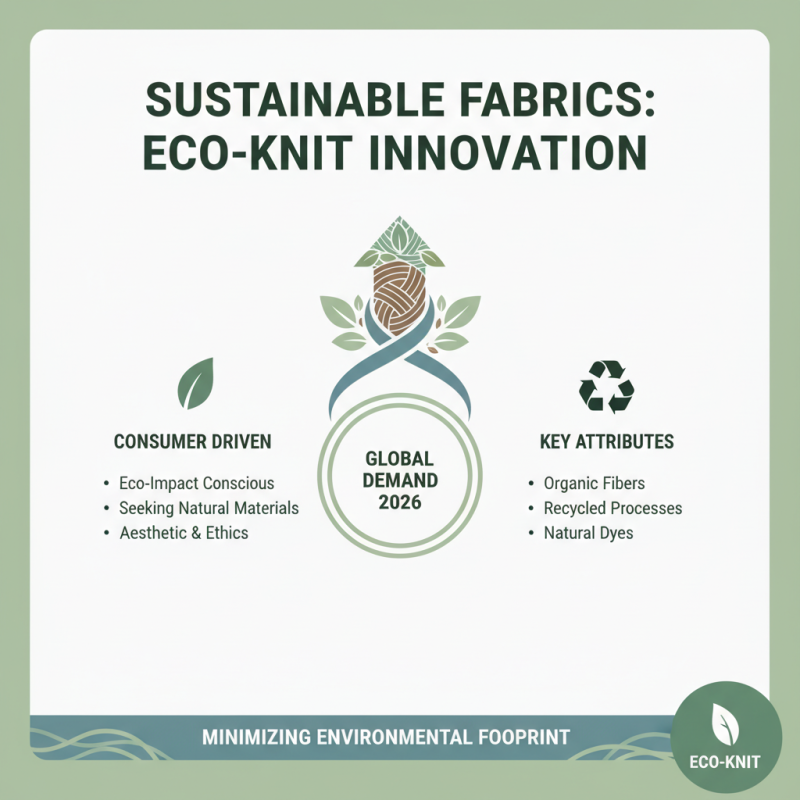
As we move toward 2026, eco-friendly knitted fabrics are gaining traction among global buyers. The demand for sustainable options has grown. Shoppers are seeking materials that minimize environmental impact. These fabrics often use organic fibers, recycling processes, and natural dyes. The appeal lies not only in their aesthetics but also in their contribution to sustainability.
Eco-conscious consumers are increasingly aware of their choices. They aim to support brands prioritizing environmental responsibility. However, not all "eco-friendly" labels are trustworthy. Some fabrics marketed as green may still have hidden environmental costs. Material transparency is essential for informed purchasing. Buyers want to know the entire production process, from raw materials to finished products.
While many brands strive for sustainability, challenges remain. Achieving a balance between quality and eco-friendliness is complex. For instance, some recycling processes can be energy-intensive. Buyers and manufacturers must navigate these issues together. Ultimately, the rise of eco-friendly knitted options reflects a growing awareness. Consumers and producers alike can contribute to a more sustainable future in fashion.
Performance Fabrics: Innovations in Comfort and Functionality
In 2026, knitted apparel fabric will see major advancements. Performance fabrics are evolving to enhance comfort and functionality. Innovations in materials are focusing on breathability and durability. These fabrics must withstand harsh conditions while providing optimal comfort. Many brands are experimenting with sustainable options, creating eco-friendly choices for consumers.
Wearers seek styles that offer more than just aesthetics. They desire fabrics that adapt to their movement and temperature. The rise of smart textiles is notable. These fabrics can regulate body heat and wick away moisture. However, achieving the perfect balance between innovation and practicality can be tricky. Some designs may sacrifice comfort for advanced features, leaving consumers unsatisfied.
As the market grows, challenges remain. Keeping production sustainable while meeting global demand is a concern. Not all manufacturers prioritize ethical practices, leading to potential consumer distrust. Transparency in sourcing materials is crucial for building a reliable reputation. The future of knitted apparel fabric depends on the industry’s ability to innovate responsibly while maintaining user comfort and functionality.
Regional Demands: A Comparative Study of Global Buyers' Preferences
In 2026, global preferences for knitted apparel fabric show distinct regional variations. According to a recent industry report from Textile Outlook International, Europe is leaning towards sustainable materials. In contrast, North America emphasizes comfort and versatility. Asian markets, particularly in China, focus on affordability and functional fabrics. This divergence highlights how cultural and economic factors shape buying choices.
Data from the Global Textile Market Analysis shows a significant increase in demand for eco-friendly yarns. In Europe, sustainable fabric purchases are projected to rise by 20% over the next five years. However, the shift towards sustainability presents challenges. Many manufacturers struggle with sourcing the right materials while balancing costs. This raises questions about the industry's readiness for such a transformation.
In addition, consumer education plays a crucial role. Many buyers remain unaware of the benefits of sustainable fabrics. A survey indicated that 40% of shoppers prioritize price over environmental impact. To thrive, brands need to bridge this knowledge gap. They must craft messages that resonate with diverse consumer values. This will be key in meeting the shifting demands of global buyers.
Best Knitted Apparel Fabric for Global Buyers in 2026? - Regional Demands: A Comparative Study of Global Buyers' Preferences
| Region |
Preferred Fabric Type |
Demand Percentage (%) |
Key Features |
| North America |
Cotton Blend |
45 |
Breathable, Soft |
| Europe |
Wool |
30 |
Warmth, Insulation |
| Asia Pacific |
Polyester Blend |
25 |
Durability, Stretchable |
| Latin America |
Acrylic |
20 |
Lightweight, Colorfast |
| Middle East |
Cashmere Blend |
15 |
Luxurious, Soft |