Best Thin Hoodie Fabric for Global Buyers to Consider?
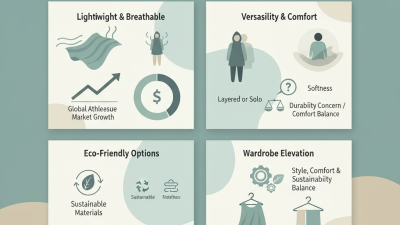
In the global apparel market, the demand for thin hoodie fabric has surged. As reported by Research and Markets, lightweight materials now constitute over 30% of activewear sales. This growth highlights the need for manufacturers to focus on innovative fabric technologies that cater to consumer preferences for comfort and breathability.
Thin hoodie fabric plays a pivotal role in this evolution. Fabrics like moisture-wicking polyester and eco-friendly blends are increasingly popular. A study by Statista indicates that 40% of consumers prioritize sustainability in their clothing choices. However, amid this trend, some manufacturers struggle to balance performance and eco-friendliness.
Relying solely on emerging trends can be misleading. Companies need to ensure that the quality of thin hoodie fabrics meets the demands of both style and functionality. Understanding these key factors is essential for global buyers navigating this dynamic market space.

Best Thin Hoodie Fabric: An Overview of Materials
When selecting thin hoodie fabrics, understanding material properties is essential. Cotton blends, for example, offer breathability and comfort. According to industry reports, cotton keeps its popularity due to its softness and ability to wick moisture. In contrast, synthetic fibers like polyester provide durability and quick drying. These fabrics, made from recycled plastics, align with sustainability goals.
Another interesting option is bamboo fabric. It is gaining traction for its eco-friendliness and natural antibacterial properties. Consumer preferences show a rising demand for sustainable materials, with a 30% increase in bamboo clothing purchases in recent years. However, some challenges remain. The fabric’s longevity can be questioned, especially in high-wear areas.
Blending fabrics can enhance performance. A mixture of cotton and polyester may balance comfort with resilience. Studies indicate that hybrid fabrics can reduce pilling and shrinkage, extending a garment's life. Yet, the production process can be complex. Manufacturers often face difficulties sourcing quality materials that meet consumer expectations. Addressing these concerns is crucial for maintaining competitive advantages in the market.
Breathability and Comfort in Thin Hoodie Fabrics
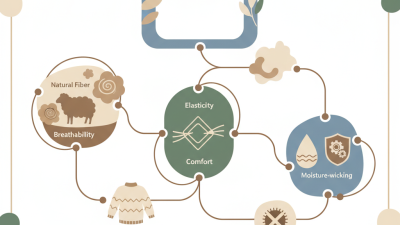
When it comes to selecting the best thin hoodie fabric, breathability is paramount. Fabrics like lightweight cotton blends and innovative synthetic materials offer impressive airflow. These options are perfect for those long, sunny days or as layers during chilly nights. A thin hoodie should not trap heat but allow your skin to breathe, ensuring comfort throughout the day.
Another aspect to consider is moisture-wicking capability. Fabrics that pull sweat away from the skin keep you dry and comfortable. This feature is essential for active lifestyles or warm weather. However, not all high-performance fabrics feel soft against the skin. Finding a balance between texture and functionality can be challenging.
Finally, the fabric's durability plays a crucial role. While many thin fabrics are soft, some may wear out quickly. Repeated washing can lead to fading or sagging, affecting their appearance and fit. Buyers should look for fabrics that maintain their structure and feel over time. This is where research and expert opinions come into play, guiding consumers towards reliable options.
Best Thin Hoodie Fabric for Global Buyers to Consider? - Breathability and Comfort in Thin Hoodie Fabrics
| Fabric Type |
Breathability (Rating) |
Comfort Level (Rating) |
Weight (GSM) |
Moisture-Wicking |
| Cotton Blend |
8/10 |
9/10 |
150 |
Yes |
| Polyester |
7/10 |
8/10 |
160 |
Yes |
| Bamboo Fabric |
9/10 |
10/10 |
140 |
Yes |
| Cotton Jersey |
8/10 |
9/10 |
130 |
No |
| Tencel |
9/10 |
10/10 |
125 |
Yes |
Durability and Care: Evaluating Fabric Longevity
When selecting the best thin hoodie fabric, durability is key. Buyers should pay attention to how the fabric withstands regular wear and tear. Look for materials that maintain their shape and color over time. Many fabrics can fade or pill after multiple washes, affecting the garment's appearance.
Care also plays a significant role in longevity. Some fabrics require special cleaning methods. Incorrect washing can lead to shrinkage or damage. Understanding care labels will help maintain the hoodie’s quality.
**Tips:**
Choose breathable fabrics that resist wrinkles. This ensures comfort on warmer days. Additionally, layering can enhance durability. Pair your thin hoodie with other fabrics for better protection. Always check for fabric blends, as they combine the best qualities of each material.
Sustainability Considerations in Thin Hoodie Fabrics
Sustainability is a pressing issue in the fashion industry, especially for thin hoodie fabrics. Many consumers are now more eco-conscious, seeking materials that align with their values. Organic cotton is a popular option, offering a soft feel without harmful chemicals. Yet, its production can still strain water resources. More research is needed to evaluate its environmental impact fully.
Recycled polyester is another fabric gaining traction. It reduces waste by repurposing plastic materials, but not all recycling processes are equal. The energy required for recycling can diminish some environmental benefits. Additionally, consumers must be aware that the term "recycled" does not always guarantee sustainability.
Consideration of durability is also vital. A thin hoodie may be lightweight, but it should withstand frequent wear and washing. Fragile materials contribute to fast fashion, leading to a cycle of waste and consumption. Ultimately, achieving true sustainability in thin hoodie fabrics involves a careful balance of material choice, production methods, and longevity.
Popular Brands and Their Thin Hoodie Fabric Choices
When it comes to thin hoodies, the fabric plays a crucial role. Many popular brands use unique materials that cater to various needs. Cotton blends are common for breathability and comfort. These fabrics are lightweight, making them perfect for layering. Synthetic options often include moisture-wicking features, ideal for active lifestyles. Each choice has its pros and cons.
**Tip**: When selecting a thin hoodie, consider your activity level. For workouts, look for fabric that moves with you. For casual wear, go for something softer.
Sustainable fabrics are gaining popularity too. Eco-friendly options can be soft and durable. However, they may come at a higher price. Buyers should weigh cost against environmental impact. Be mindful of how much you wear and care for these items.
**Tip**: Check fabric composition before buying. A blend might offer the best of both worlds. Don't forget to consider the fit, as this affects comfort and style.
Best Thin Hoodie Fabric Choices for Global Buyers