10 Best Tips for Sourcing Thin Knitted Jacquard Fabric?
Sourcing Thin Knitted Jacquard Fabric has become a vital aspect for designers and manufacturers in the textile industry. Recent reports indicate that the global textile market, valued at approximately $1 trillion in 2022, is projected to grow significantly. This growth emphasizes the need for high-quality materials like thin knitted jacquard fabrics. These fabrics offer versatility, intricate patterns, and comfort, making them ideal for a variety of clothing items.
However, sourcing this specialized fabric presents challenges. Quality and consistency can vary widely among suppliers, and the potential for miscommunication can lead to production delays. Experts recommend conducting comprehensive market research to identify reliable suppliers. Understanding the sourcing landscape is crucial, as over 70% of businesses cite supplier reliability as a top concern. Therefore, evaluating supplier credentials and samples is not just essential—it’s indispensable.
Despite advancements in sourcing technologies, many still find the process daunting. Reflecting on experiences can help businesses better navigate this landscape. Success in sourcing Thin Knitted Jacquard Fabric hinges on skillful negotiation and a clear understanding of fabrication processes. The right approach not only enhances product quality but also fosters long-lasting partnerships in the textile industry.
Understanding Thin Knitted Jacquard Fabric Characteristics
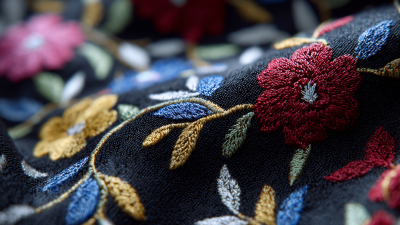
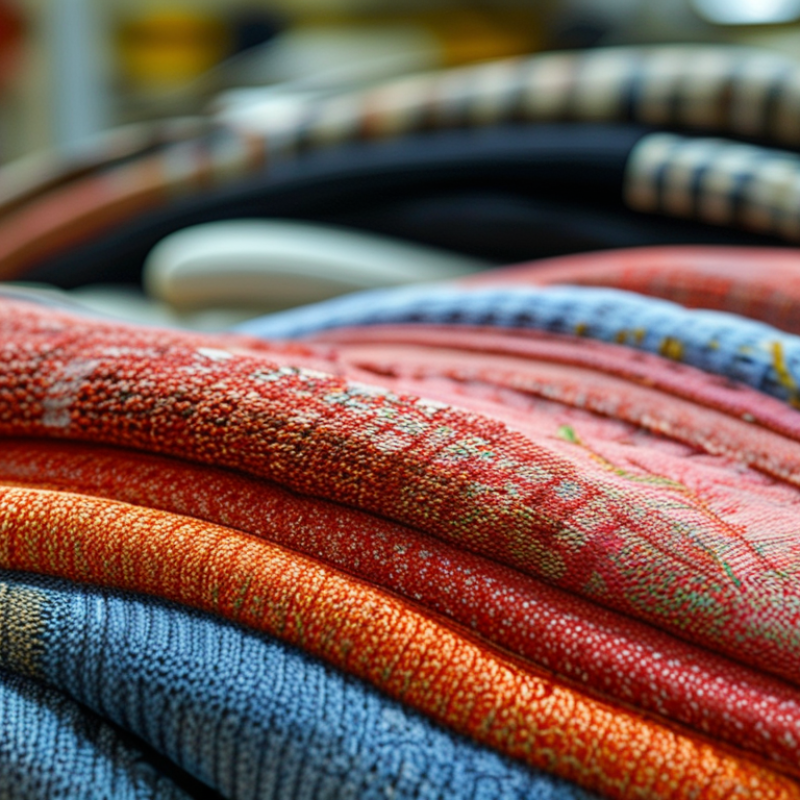
Thin knitted jacquard fabric is known for its intricate designs and lightweight nature. This fabric is typically made from a blend of fibers, which can include cotton, polyester, or a mix. The knitting technique creates a textured surface, allowing for various patterns and colors. Studies show that fabrics with higher elasticity are more preferred in the apparel industry, making jacquard an attractive choice for designers.
When sourcing this material, it’s important to understand its characteristics thoroughly. The breathability of jacquard fabric makes it suitable for spring and summer collections. Its two-dimensional patterns offer visual appeal while maintaining comfort. However, jacquard can sometimes be prone to snagging or fading, which necessitates careful handling.
For effective sourcing, focus on these tips:
- Research suppliers that specialize in jacquard fabrics. They often have extensive inventories.
- Request samples for analysis. Inspect the feel, durability, and pattern clarity before bulk purchasing.
- Attend textile trade shows. This helps in building relationships with industry experts and discovering new offerings.
Staying informed on fabric innovations helps in making better sourcing decisions. Ensure you are aware of
sustainability practices as they also impact material quality and consumer preferences.
Identifying Quality Sources for Thin Knitted Jacquard Fabric
When sourcing thin knitted jacquard fabric, identifying quality sources is crucial. Reliable suppliers can save you time and cost. According to a report by the Textile Association, nearly 75% of manufacturers cite sourcing quality as their top challenge. This emphasizes the need for careful research and vetting.
Tip one: Network with industry professionals. Attend fabric fairs and trade shows. They offer opportunities to meet reputable suppliers face-to-face. Building relationships can lead to more reliable sourcing options.
Another important aspect is fabric sampling. Always request samples before making bulk orders. A study published in the Journal of Textile Science found that 60% of sourcing issues stem from poor material selection. A small investment in samples can prevent costly mistakes later.
Be aware of your suppliers’ manufacturing processes. Transparency in production can indicate the quality of their products. Not every supplier will disclose this, and that's a red flag. Know your fabric's origin and the sustainability of the practices involved. This can also enhance your brand’s reputation.
10 Best Tips for Sourcing Thin Knitted Jacquard Fabric
| Tip Number |
Tip Description |
Key Considerations |
Sources |
| 1 |
Research Fabric Quality |
Check GSM and stretch |
Online fabric directories |
| 2 |
Visit Trade Shows |
Discover new suppliers |
Textile expos worldwide |
| 3 |
Seek Manufacturer References |
Confirm reliability |
Industry contacts |
| 4 |
Request Sample Swatches |
Evaluate feel and appearance |
Supply chain networks |
| 5 |
Analyze Pricing Trends |
Balance cost vs quality |
Market reports |
| 6 |
Understand Material Composition |
Research yarn types |
Material safety data sheets |
| 7 |
Inspect Production Capacity |
Ensure they meet deadlines |
Factory visits |
| 8 |
Check Sustainability Practices |
Environmental responsibility |
Certifications |
| 9 |
Understand Market Demand |
Know what sells |
Sales channels |
| 10 |
Build Long-term Relationships |
Trust and collaboration |
Regular communication |
Exploring Fabric Suppliers and Manufacturers in the Market
When sourcing thin knitted jacquard fabric, identifying reliable suppliers and manufacturers is crucial. The global textile market is growing, with projections estimating a market value of $1 trillion by 2025. This growth emphasizes the importance of selecting vendors who can meet quality and consistency standards. Engaging with suppliers who have experience in the jacquard fabric sector can enhance your product quality.
Research shows that around 70% of textile buyers prioritize sustainability in their sourcing decisions. Often, it can be challenging to find eco-friendly materials that also meet design specifications. Exploring market options is vital. Attend trade shows and connect with industry experts to discover innovative manufacturers. Many experienced suppliers can provide insight into sourcing practices and trends, enhancing your understanding of the market.
Clear communication with potential suppliers is essential. Discussing minimum order quantities can lead to more favorable terms. Many manufacturers may struggle with scalability, affecting delivery timelines. Ask about their production capabilities and lead times. Gathering this information enables informed decision-making. If you face difficulties, don't hesitate to explore alternative suppliers. The quest for the right thin knitted jacquard fabric may involve trial and error, but persistence yields rewards.
Evaluating Pricing and Budgeting for Thin Knitted Jacquard Fabric
When evaluating pricing for thin knitted jacquard fabric, it is essential to understand the various factors that influence costs. The weight and complexity of the design play a crucial role. Intricate patterns typically lead to higher prices. Fabrics that use specialty fibers or treatments will also reflect in costs. Therefore, consider the specific attributes you require.
It's important to set a budget upfront. Knowing how much you can spend helps narrow your options effectively. Create a list of features that are non-negotiable. Determine which elements are optional. This approach allows you to focus on quality without overspending.
Research suppliers thoroughly. Not all vendors provide the same level of craftsmanship. Some may offer lower prices, but at the expense of durability. Sample before committing to larger orders. This will give you better insights into the fabric’s performance. Keep an open mind about possible alternatives. Sometimes, adjusting your design might lead to cost savings without compromising quality.
Ensuring Sustainability and Ethical Practices in Fabric Sourcing
Sourcing thin knitted jacquard fabric involves more than just aesthetics. Sustainability and ethical practices play a crucial role. When selecting materials, consider their environmental impact. Look for fabrics made from organic fibers. This reduces reliance on harmful pesticides and chemicals.
One important tip is to assess the supply chain. Transparency is vital. Engage with suppliers who disclose their sourcing methods. Understand where and how the materials are produced. This practice can help you avoid unethical labor practices.
Also, prioritize local suppliers when possible. This reduces carbon footprints associated with transportation. It also supports local economies. Ethical practices can lead to higher quality products. Focus on long-term partnerships that emphasize shared values.
Additionally, consider the certifications of the fabrics. Look for eco-friendly and fair-trade certifications. These can indicate a commitment to sustainable practices. Embracing these guidelines not only enhances your product but also fosters positive community impact.