The Best 10 Types of Knitted Fabric for Your Next Project

When embarking on a new knitting project, choosing the right type of knitted fabric is crucial to achieving the desired look, feel, and functionality. Knitted fabric, with its wide variety of textures, weights, and patterns, offers endless possibilities for both novice and experienced crafters. Understanding the characteristics of different knitted fabrics can empower you to make informed decisions that enhance your creations and meet your project goals.

In this exploration of the best ten types of knitted fabric, we will delve into the unique properties of each fabric type, highlighting their strengths and ideal applications. From the cozy warmth of thicker knits to the delicacy of finer yarns, each fabric brings its distinctive charm to your knitting endeavors. Whether you are aiming to create a stylish sweater, a warm blanket, or intricate accessories, knowing the right knitted fabric to choose can elevate your work to new heights and ensure lasting enjoyment of your handmade items. Join us as we uncover the top knitted fabrics that will inspire your next project and help you craft something truly special.

The Best 10 Types of Knitted Fabric for Your Next Project

Types of Knitted Fabric: An Overview of Varieties

When it comes to knitted fabrics, the variety available is vast, catering to different projects and preferences. One popular type is jersey knit, known for its softness and elasticity. It’s commonly used for T-shirts and casual wear, making it a favorite for comfortable clothing. Another well-known option is rib knit, characterized by its raised lines, which provide excellent stretch and recovery. Rib knit is ideal for creating fitted garments like cuffs and collars, adding both style and function.

In contrast, interlock knit offers a double-faced fabric that's thicker and sturdier, making it perfect for more structured garments. It resists curling at the edges, which is why it is often chosen for dresses and activewear. Meanwhile, purl knit features a unique texture created by alternating knit and purl stitches, resulting in a decorative effect for accessories like scarves or hats. Each type of knitted fabric brings its own set of qualities, giving knitters ample choices to match their project needs while ensuring both aesthetics and performance.
Understanding the Characteristics of Different Knitted Fabrics

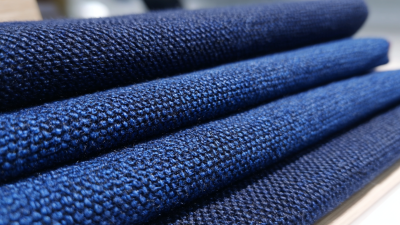
When embarking on a new knitting project, understanding the characteristics of different knitted fabrics can significantly influence the outcome of your creation. Each type of knitted fabric offers unique qualities that cater to diverse project requirements. For instance, jersey knit is renowned for its stretch and softness, making it ideal for comfortable garments like t-shirts and dresses. Its smooth surface allows for vibrant prints and intricate designs, which can enhance the visual appeal of any project.

On the other hand, rib knit is characterized by its textured pattern of raised vertical lines, providing excellent elasticity and durability. This fabric is often used in cuffs, hems, and necklines where a snug fit is essential. Similarly, cable knit features twisted patterns that not only add depth to the fabric but also increase warmth, making it perfect for cozy sweaters and scarves. By understanding these diverse fabric characteristics, knitters can choose the right type for their specific needs, ensuring that their final piece is both functional and aesthetically pleasing.

Top 10 Knitted Fabrics for Breathability and Comfort

The Best 10 Types of Knitted Fabric for Your Next Project

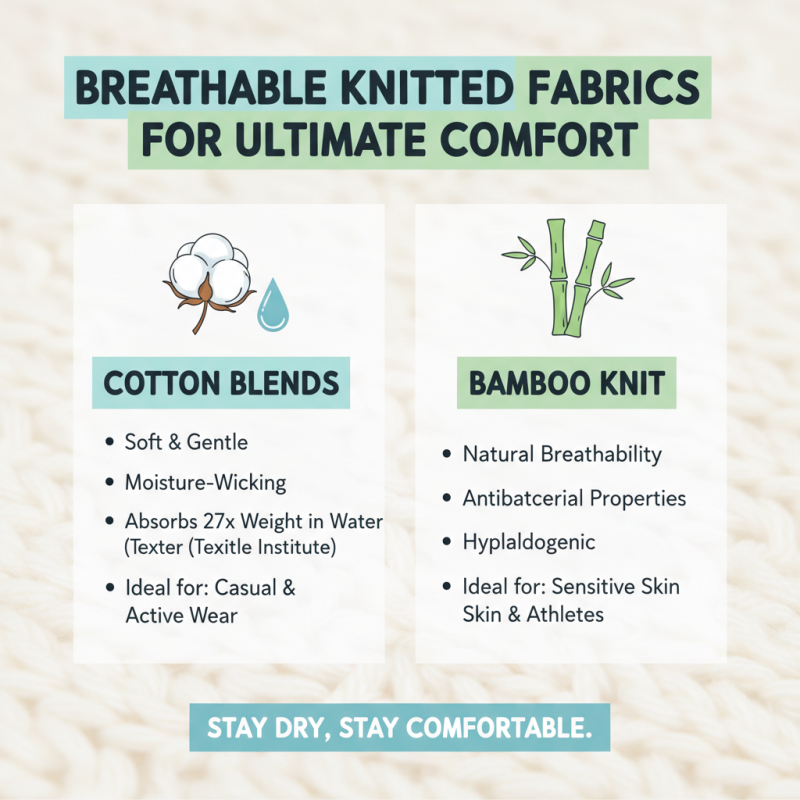
When it comes to selecting knitted fabrics for breathability and comfort, a few key types stand out due to their unique properties. Cotton blends, for instance, are widely appreciated for their softness and moisture-wicking abilities, making them ideal for casual wear and active garments. According to a report by the Textile Institute, cotton fabrics can absorb up to 27 times their weight in water, ensuring you stay dry and comfortable throughout the day. Another popular choice is bamboo knit fabric, known for its natural breathability and antibacterial properties, which can be particularly beneficial for sensitive skin or athletes.

Additionally, merino wool offers excellent moisture management and temperature regulation, ensuring warmth without overheating. Studies conducted by Woolmark have shown that merino's natural fibers can wick moisture away from the body, keeping the wearer dry in various conditions. This makes it a perfect option for knitted apparel designed for both outdoor activities and everyday wear.

Tips: When selecting a knitted fabric, always consider the climate and intended use of your garment. For summer projects, opt for lighter-weight blends like cotton or bamboo for enhanced breathability. In cooler weather, merino wool can provide warmth without compromising on comfort. Lastly, always conduct a fabric test by swatching to see how it performs in different settings before committing to a larger project.

Choosing the Right Knitted Fabric for Your Project Needs

When embarking on your next knitting project, selecting the right knitted fabric is paramount for achieving both functionality and aesthetic appeal. According to a report by the Textile Association, approximately 45% of knitters consider fabric choice to significantly impact the overall success of their projects. Understanding the unique properties of different types of knitted fabric can help you tailor your choice to your specific needs, whether you’re creating garments, home goods, or accessories.

Cotton, for example, is highly sought after for its breathability and softness, making it an ideal choice for apparel. The yarns derived from it are especially popular in warm weather garments. Conversely, synthetic fabrics such as polyester offer durability and stretch, making them suitable for activewear. A study conducted by the Knitwear Institute indicated that knits with higher elasticity, such as spandex blends, see a 30% increase in demand for their use in performance garments. Ultimately, the right fabric will not only enhance the quality of the finished product but also align with the intended use and required care of your project.

The Best 10 Types of Knitted Fabric for Your Next Project - Choosing the Right Knitted Fabric for Your Project Needs

Fabric Type Characteristics Best Uses Care Instructions
Cotton Knit Soft, breathable, and stretchy T-shirts, casual wear, and baby clothes Machine wash cold, tumble dry low
Wool Knit Warm, insulating, and moisture-wicking Sweaters, scarves, and blankets Hand wash or dry clean; lay flat to dry
Jersey Knit Smooth, stretchy, and lightweight Dresses, activewear, and pjs Machine wash warm, tumble dry low
Rib Knit Elastic, textured, and durable Cuffs, collars, and fitted tops Machine wash cold, do not iron
Interlock Knit Thick, double-sided, and stable Leggings, dresses, and tops Machine wash cold, tumble dry low
French Terry Soft, cozy, and absorbent Hoodies, sweatpants, and loungewear Machine wash warm, tumble dry low
Cashmere Knit Luxurious, soft, and lightweight High-end sweaters and shawls Hand wash or dry clean only
Modal Knit Soft, drapey, and breathable T-shirts, dresses, and nightwear Machine wash cold, tumble dry low
Lycra/Spandex Knit Highly elastic, form-fitting Activewear, swimwear, and tights Machine wash cold, do not bleach
Faux Fur Knit Soft, plush, and warm Coats, jackets, and accessories Spot clean with damp cloth

Care and Maintenance Tips for Knitted Fabrics

When it comes to caring for knitted fabrics, proper maintenance is essential to prolonging their lifespan and preserving their appearance. According to a recent industry study, over 40% of consumers report that improper care leads to pilling and fading in knitted garments. To avoid these issues, it is recommended to hand wash knitted items in cold water using a mild detergent. For machine washing, using a gentle cycle in a mesh laundry bag can help minimize damage.

Additionally, drying techniques play a crucial role in fabric care. The same report indicates that air drying is the preferred method for 78% of knitters, as it reduces the risk of shrinkage and stretching. When air drying, it's best to lay the garment flat on a clean, dry towel or a mesh drying rack, away from direct sunlight, which can cause colors to fade. Furthermore, regular maintenance, such as gently steaming or using a lint roller, can keep knitted fabrics looking fresh and new, significantly enhancing their durability and comfort.

The Best 10 Types of Knitted Fabric for Your Next Project

This chart displays the softness rating of various types of knitted fabrics, which can help you decide the best fabric for your next project. The ratings range from 1 to 10, with 10 being the softest.