2026 Best Weft Knitted Fabric for Global Buyers?
The textile industry is evolving rapidly, and buyers seek high-quality materials. Weft-knitted fabric stands out in this evolving market. Known for its stretchiness and comfort, it is highly versatile. Global buyers need reliable sources for weft-knitted fabric to meet diverse demands.
Choosing the right fabric can be challenging. Not all suppliers provide consistent quality. Some fabrics may not meet the desired standards. Buyers must research suppliers thoroughly. This attention to detail ensures high-quality products.
In 2026, trends in weft-knitted fabric will impact various sectors. Innovative designs and sustainable practices will shape buyer choices. Understanding the market landscape is essential. Awareness of fabric qualities is key for informed decisions. As we explore this topic, the goal is to arm buyers with the knowledge they need.
Overview of Weft Knitted Fabrics for Global Markets
Weft knitted fabrics have gained significant traction in global markets. These textiles are versatile and comfortable, offering a wide range of applications. According to the Textile World Market Report, the demand for knitted fabrics is projected to grow by 5% annually through 2026. This growth reflects a continuing shift towards high-performance materials in clothing and home textiles.
Weft knitted fabrics are known for their elasticity and breathability. They are commonly used in apparel, including activewear and loungewear. This style of knitting allows for greater design flexibility, resulting in unique texture variations. However, it is essential to remain aware of the environmental impact of fabric production. Sustainable practices are often overlooked by manufacturers for the sake of cost efficiency.
Tip: When sourcing fabrics, focus on suppliers who prioritize eco-friendly processes. Checking certifications can ensure compliance with global sustainability standards.
Investing in high-quality weft knitted fabrics may also help prevent product returns due to poor performance. A recent survey highlighted that 30% of consumers cite fabric quality as a key reason for dissatisfaction. Building a strong relationship with fabric suppliers can provide insights into the latest innovations and market trends.
Key Characteristics of High-Quality Weft Knitted Fabrics
When exploring the realm of weft knitted fabrics, quality is key. High-quality weft knitted fabrics exhibit several essential characteristics. One prominent feature is their stretchability. Fabrics with a good amount of stretch will conform well to the body's contours. This trait is particularly important for activewear, where comfort and flexibility are crucial.
Another critical aspect is the fabric’s weight and drape. Lightweight weft knitted fabrics offer a flowing appearance, excellent for dresses and tops. Heavier weights provide warmth and durability, suitable for winter garments. Additionally, the texture of the fabric matters significantly. A smooth texture can enhance comfort, while a coarser finish may add visual interest.
Color retention is another characteristic that shouldn't be overlooked. Fabrics that retain their color after multiple washes are ideal for sustainable fashion. However, not all fabrics meet this criterion. It often requires further research and testing. Buyers should engage with suppliers who prioritize quality assurance and consistently deliver high standards in their weft knitted fabrics. Although many options exist, distinguishing between quality and subpar materials can be challenging. Evaluating samples before making bulk purchases is essential for ensuring reliability.
2026 Best Weft Knitted Fabric for Global Buyers? - Key Characteristics of High-Quality Weft Knitted Fabrics
| Characteristic |
Description |
Importance |
| Stretchability |
Ability of the fabric to stretch without losing its shape. |
High; ensures comfort and ease of movement. |
| Softness |
Smooth and soft texture that feels good against the skin. |
High; improves the wearing experience. |
| Breathability |
Ability of the fabric to allow air circulation. |
High; keeps the wearer cool and comfortable. |
| Durability |
Resistance to wear and tear over time. |
High; prolongs the lifespan of the fabric. |
| Colorfastness |
Resistance to fading and running of colors. |
High; maintains the aesthetic appeal of the fabric. |
Top Trending Weft Knitted Fabrics for 2026
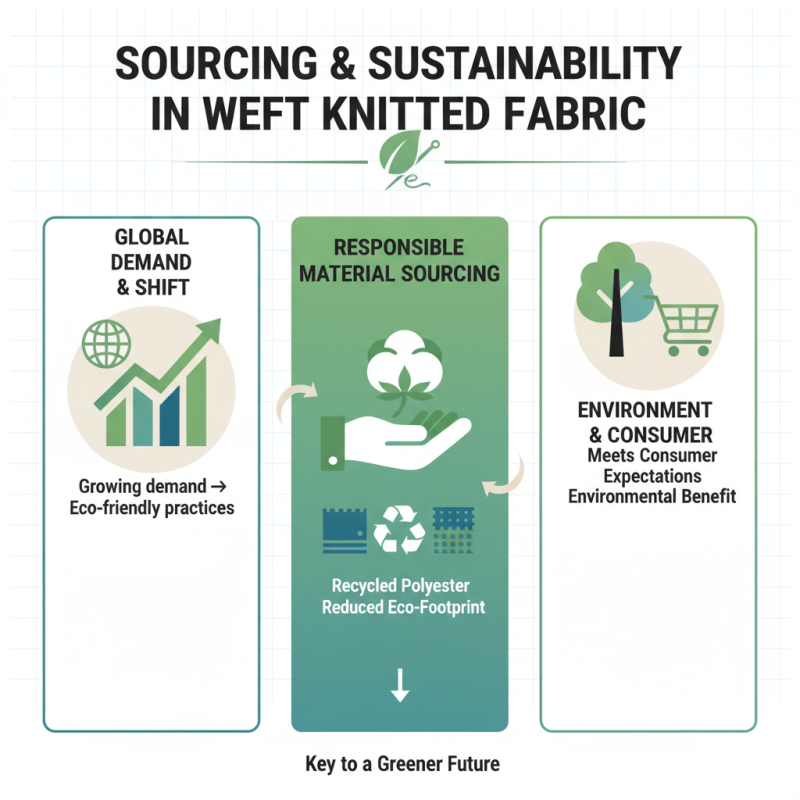
As we approach 2026, the landscape of weft knitted fabrics is evolving rapidly. According to a recent report by the Textile World Association, there's an increasing demand for sustainable and versatile fabrics. This demand is driven by consumers who prioritize eco-friendliness and quality in their purchases. The report indicates that weft knitted fabrics are projected to grow by 5% annually over the next three years, emphasizing their popularity across global markets.
Among the top trending weft knitted fabrics for 2026 are organic cotton blends and recycled polyester options. These materials align with sustainability trends and offer exceptional comfort and durability. Many designers favor these fabrics for their ability to combine style with ethical practices. However, the quality can vary significantly among manufacturers. It’s essential for buyers to conduct thorough research and testing before making bulk purchases.
Tip: Always request fabric samples before committing to large orders. Testing the fabric’s feel and performance can save time and resources. Educating yourself about fiber properties can also enhance your selection process. Remember, the right choice can impact your brand’s reputation significantly. Quality should never be compromised for trends. It’s worth reflecting on the long-term benefits of investing in superior textiles.
2026 Best Weft Knitted Fabric Trends
Factors Influencing Buyer Preferences in Weft Knitted Fabrics
When considering weft knitted fabrics, several factors sway buyer preferences.
Texture plays a crucial role. Buyers often seek
softness and comfort.
For activewear, a breathable fabric is essential. In contrast, for winter wear,
warmth becomes a priority. The right blend can make a significant difference.
Colors and patterns also influence choices. Bright hues can attract attention, while subtle tones reflect elegance.
Additionally, fabric weight matters. Lightweight fabrics
are preferred for layering. Heavier materials offer durability for outerwear.
Understanding the target market can guide these preferences.
Sustainability is emerging as a vital consideration.
Many buyers now prioritize eco-friendly production processes.
Transparency in sourcing can build trust. However, balancing cost with
quality remains a challenge. This push for greener options creates a need for reflection
on personal values versus market demands.