Weft-Knitted Fabric has gained immense popularity in the textile industry. This type of fabric is made by interlocking yarns in a horizontal direction. Its unique construction offers a range of benefits for various applications. From clothing to home textiles, weft-knitted fabric serves countless purposes.
In this article, we will explore the nine best weft-knitted fabric types you should know. Each fabric type has its distinct characteristics and uses. Some may be softer than others, while some offer more durability. Understanding these differences can greatly impact your choice.
While weft-knitted fabrics are versatile, they are not without flaws. Some fabrics may lose shape after washing. Others may be prone to snagging. A thoughtful evaluation of each type is essential. So, let's delve into these fascinating fabrics and uncover their unique qualities.
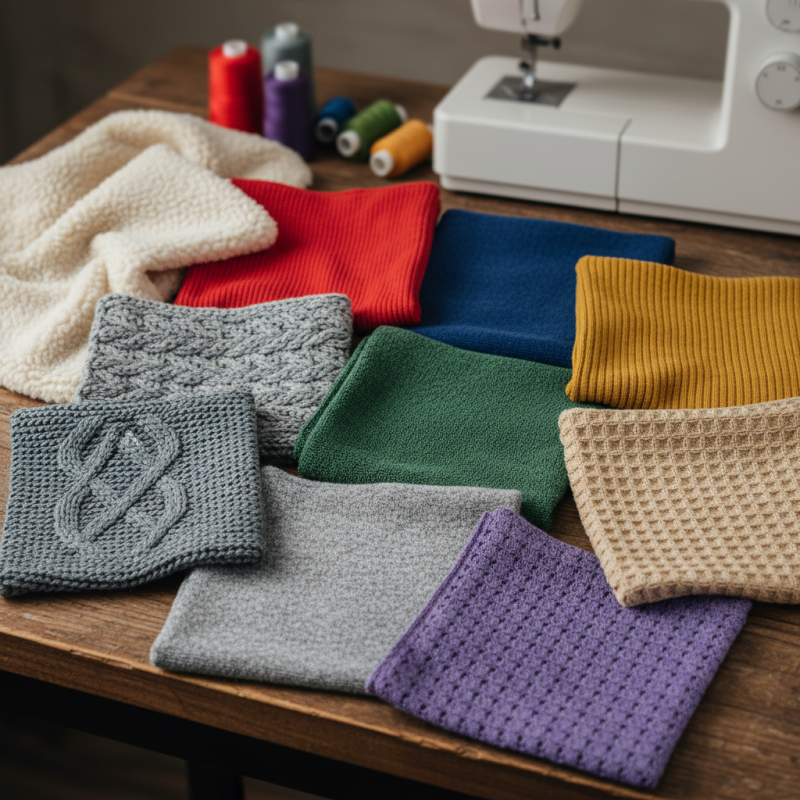
Weft-knitted fabrics are essential in the textile industry. Understanding their types can aid in selecting the right fabric for various applications. Research indicates that weft-knitted fabrics offer unique properties, making them versatile for garments and home textiles.
One prominent type is jersey knit. This fabric is smooth and stretchy, often used in t-shirts and dresses. Its efficient production process reduces manufacturing costs, appealing to many designers. Another type is rib knit, known for its elasticity. This characteristic makes it a popular choice for cuffs and collars.
Another fabric worth considering is interlock. It combines two layers, enhancing thickness and warmth, ideal for winter wear. Studies show that interlock fabrics exhibit better durability than single-layer varieties. Interestingly, while these fabrics offer great comfort, involving too many layers can lead to overheating in warm climates. Balancing comfort and temperature is a challenge for designers. Finding the right weft-knit fabric involves understanding these nuances.
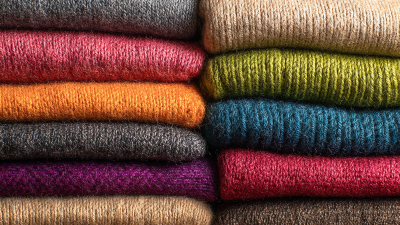
Weft knitting is fascinating. It involves interlocking yarns horizontally. This technique creates a stretchy and comfortable fabric. Many garments rely on this method for their design. Common items include T-shirts, sweaters, and socks. Each piece benefits from the unique properties of weft-knitted fabric.
Understanding the construction techniques is crucial. Weft knitting typically uses a simpler process than other methods. The yarn is fed in a sideways motion. This results in fewer steps, but it can introduce flaws. Uneven tension might occur if not managed well. Additionally, the type of yarn chosen impacts the final texture.
Different techniques produce various effects. For instance, jersey knitting creates a smooth surface. Rib knitting adds elasticity, making it perfect for cuffs. These details can greatly affect wear and appearance. However, mastering weft knitting takes practice. Beginners often grapple with gauge swatches. Mistakes are part of the learning curve, yet valuable. Finding the right balance is essential in this craft.
| Fabric Type | Characteristics | Common Uses | Care Instructions |
|---|---|---|---|
| Cotton Jersey | Soft, stretchy, breathable | T-shirts, dresses, loungewear | Machine wash cold, tumble dry low |
| Rib Knit | Elastic, textured, warm | Sweaters, cuffs, collars | Hand wash or machine wash cold |
| Purl Knit | Reversible, cushioned, stretchy | Scarves, hats, blankets | Dry clean preferred |
| Interlock Knit | Thicker, stable, smooth | Undergarments, leggings, fitted garments | Machine wash cold, tumble dry low |
| French Terry | Soft loops on one side, smooth on the other | Sweatshirts, joggers, activewear | Machine wash warm, tumble dry low |
| Velour Knit | Soft, plush, luxurious feel | Loungewear, sleepwear, upholstery | Machine wash gentle, do not tumble dry |
| Sweater Knit | Warm, cozy, thicker gauge | Sweaters, cardigans, wraps | Hand wash recommended, lay flat to dry |
| Mesh Knit | Lightweight, breathable, open structure | Athletic wear, overlays, swimwear | Machine wash cold, hang dry |
| Lace Knit | Delicate, intricate patterns, lightweight | Dresses, overlays, decorative elements | Hand wash or dry clean |
Weft-knitted fabrics and warp-knitted fabrics are two primary categories in textile production. Both types exhibit significant differences in structure and end-use. According to a report by Textile World, weft-knitted fabrics account for nearly 60% of the total knitted fabrics market. This dominance can be attributed to their versatility and comfort.
Weft-knitted fabrics are created by interlocking loops horizontally. This results in a softer texture and better drape. They are often seen in casual apparel and stretchy garments. However, they also face drawbacks like reduced durability compared to warp-knitted options.
Warp-knitted fabrics, produced by interlacing yarn vertically, tend to be more stable and resistant to unraveling. Their use is prevalent in sportswear and industrial applications, making up around 40% of the market.
Research suggests that the initial cost for warp-knitted fabrics can be higher. However, their longevity could offer better value over time. It's essential to reflect on the specific needs of the end product when choosing between these fabric types. Each option presents unique benefits and challenges that require careful consideration.
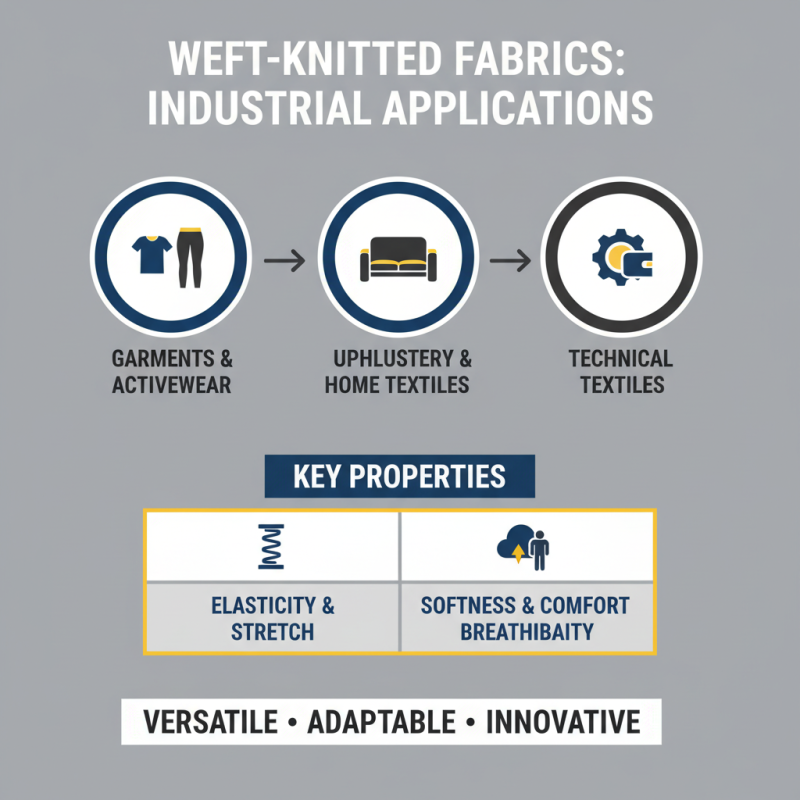
Weft-knitted fabrics hold a significant place in the fashion and textiles industry. Their versatility lends itself well to various applications. These fabrics are commonly used in garments, activewear, and upholstery. The unique properties, such as elasticity and comfort, make them a favorite among designers.
In fashion, weft-knitted fabrics create a fluid silhouette. They drape beautifully, allowing for innovative designs. However, not all weft-knitted fabrics are created equal. Some might not withstand heavy use. This is an essential consideration for manufacturers aiming for durability in their products. Quality control often becomes a challenge in sourcing the right materials.
The textile industry benefits from the adaptability of weft-knitted fabrics. These materials often feature exciting textures and patterns. This opens doors to creative possibilities. Yet, the manufacturing process can sometimes fall short, leading to inconsistent quality. Ensuring every piece meets a standard is crucial. Designers often wrestle with the balance between creativity and practicality. This ongoing challenge shapes the future of weft-knitted fabrics.
Weft-knitted fabrics are gaining traction for their versatility and comfort. However, as the demand grows, so does the need for sustainability. This trend reflects a shift toward eco-friendly materials. More brands are exploring organic cotton and recycled fibers. These choices can significantly reduce environmental impact.
Despite the positive movement, challenges remain. Not all sustainable materials provide the quality consumers expect. Some may feel scratchy or wear out quickly. Additionally, the production of eco-friendly fabrics can be resource-intensive. This contradiction raises questions about true sustainability in the fashion industry.
Designers are now grappling with these complexities. They aim to find a balance between innovation and responsibility. It’s a tough path, with trade-offs often involved. Material selection is not straightforward. Awareness of the environmental footprint is vital. In the end, the evolution of weft-knitted fabrics may rely on our collective commitment to make thoughtful choices.