How to Choose the Best Functions of Single Jersey Fabric for Your Projects
When embarking on a new project that requires fabric selection, understanding the diverse **functions of single jersey fabric** is essential for achieving optimal results. Single jersey fabric, known for its versatility and comfort, is a popular choice in the textile industry, particularly for clothing and activewear. This fabric is characterized by its smooth surface, elasticity, and lightweight properties, making it suitable for various applications. However, not all single jersey fabrics are created equal, and knowing which functions align with your project goals can significantly affect the final outcome.
In this exploration of the best functions of single jersey fabric, we will delve into its key characteristics, such as breathability, moisture-wicking abilities, and suitability for different garment types. By analyzing these properties, you can better assess how single jersey fabric can meet the specific needs of your projects, whether you are designing casual wear, sports apparel, or other textile products. Ultimately, an informed decision about the functions to prioritize will not only enhance the functionality of your creations but also elevate the overall user experience.
Understanding Single Jersey Fabric: Composition and Characteristics
Single jersey fabric is widely recognized for its versatility and ease of use in various textile projects. This fabric composition typically consists of 100% cotton or a blend of cotton with synthetic fibers, giving it a soft, stretchy quality. According to a report by TechNavio, the global demand for seamless clothing, which often utilizes single jersey fabric, is expected to grow by 4.5% annually. This growing trend highlights the fabric's inherent characteristics such as breathability, comfort, and durability.
The characteristics of single jersey fabric are particularly appealing for casual wear and loungewear. Its knit structure allows for a natural stretch, making it an ideal choice for t-shirts, dresses, and activewear. The fabric has a smooth surface that is conducive to printing and dyeing processes, which enhances its aesthetic appeal. Additionally, its weight, usually ranging between 120 to 200 grams per square meter, provides a balance between lightweight comfort and substantial wear, making it suitable for various climates. Industry insights suggest that the lightweight nature of single jersey fabric contributes to its popularity, especially in regions with warmer temperatures, where breathability is essential for garment comfort.
How to Choose the Best Functions of Single Jersey Fabric for Your Projects
Evaluating Weight and Stretch: Key Factors in Fabric Selection
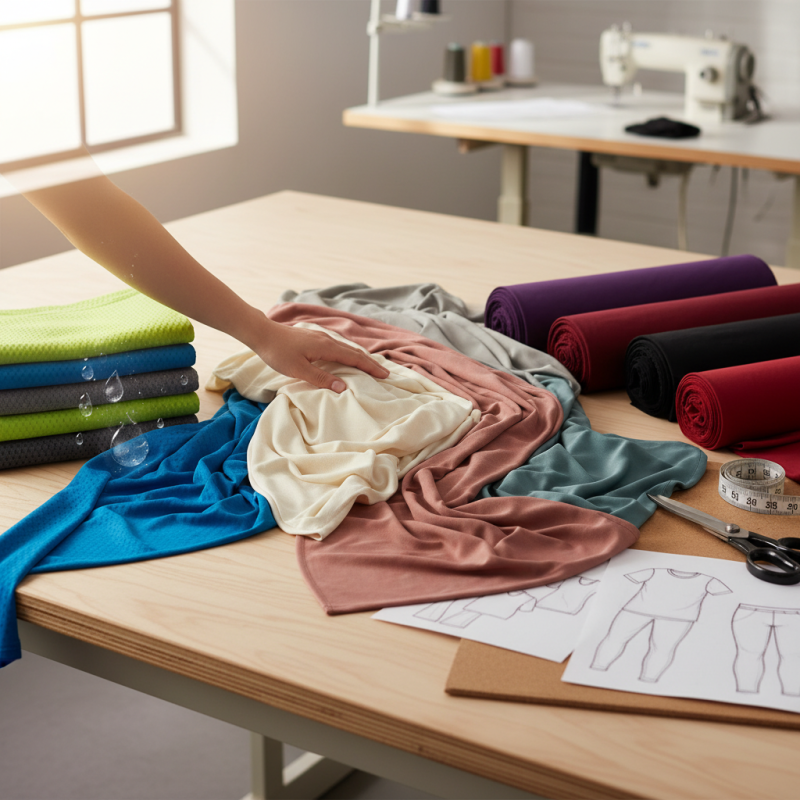
When selecting single jersey fabric for various projects, understanding the weight and stretch of the material is crucial. The weight of the fabric typically affects its drape, durability, and suitability for different applications. Heavier weights tend to be more stable and better for structured garments, while lighter weights are ideal for more fluid designs. If you're creating clothing meant for warmer weather or active use, a medium to lightweight jersey allows for comfort and breathability, making it a popular choice.
Another important factor is the stretch of the fabric, which directly impacts the fit and flexibility of your final product. Single jersey fabrics usually have a good degree of stretch due to their knit structure, which allows for ease of movement. When evaluating stretch, consider both the horizontal and vertical elasticity, as this will determine how well the fabric retains its shape after wear and wash. A fabric that offers ample stretch without compromising on recovery ensures that garments fit well and maintain their silhouette over time. By carefully weighing these factors, you'll be equipped to choose the best single jersey fabric that meets the needs of your specific projects.
Identifying Suitable Applications for Single Jersey Fabric
Single jersey fabric is a versatile material widely used in various applications due to its unique characteristics. One of the primary advantages of single jersey fabric is its stretchability, which makes it suitable for garments that require flexibility and comfort. Items like t-shirts, activewear, and loungewear benefit greatly from this fabric, as it allows for ease of movement while conforming to the body's shape. The lightweight nature of single jersey also contributes to its popularity in casual and summer clothing, providing breathability even in warm conditions.
Beyond apparel, single jersey fabric can find suitable applications in home textiles. This fabric can be used for creating soft furnishings like pillow covers, cushion covers, and even lightweight throws. The soft texture adds a touch of comfort to home decor, making it inviting for both relaxation and entertaining. Additionally, the fabric can also be employed in craft projects, thanks to its ease of handling and sewing. Whether for knitting or sewing, the adaptability of single jersey fabric makes it an excellent choice for various creative endeavors, enhancing both functionality and aesthetic appeal in the final products.
Assessing Quality: Checking for Durability and Comfort
When selecting single jersey fabric for your projects,
assessing quality through durability and comfort is paramount.
Recent industry reports indicate that the durability of fabrics is often measured by their
tensile strength and resistance to wear.
For instance, a study by the Textile Research Institute emphasizes that fabrics with a tensile
strength of over 30 N can significantly outperform those with lower strength,
showcasing higher resilience when subjected to stretching and pulling forces. This is particularly
important in applications where the fabric experiences high stress, such as
activewear or upholstery.
Comfort is another crucial aspect, heavily influenced by the fabric's breathability
and moisture-wicking properties. According to a report from the International Journal of Clothing
Science and Technology, fabrics that have a wicking rate of 150-200 g/m² are deemed
comfortable for daily wear, as they effectively manage moisture and enhance the wearer's experience.
Single jersey fabric, with its typical stretch and soft texture, can offer superior comfort, making
it ideal for garments like t-shirts and athletic wear. Therefore, understanding the specific qualities
of the jersey fabric you choose is essential in ensuring that it meets both durability and comfort
criteria for successful project outcomes.
Choosing the Right Functionality: Performance Features for Your Projects
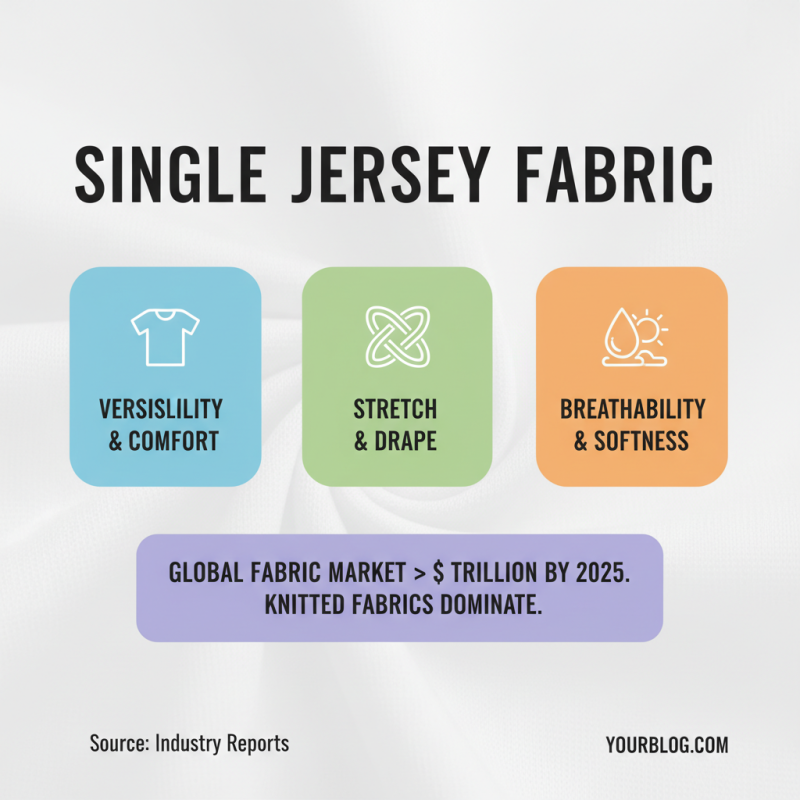
When selecting single jersey fabric for various projects, understanding the functionality of the material is paramount. Single jersey fabric, known for its versatility and comfort, comes with several performance features that can significantly impact the outcome of your projects. According to industry reports, the global fabric market is projected to reach $1 trillion by 2025, with knitted fabrics such as single jersey dominating a significant portion due to their suitability for a wide range of applications, from apparel to home textiles.
The key performance features of single jersey fabric include breathability, moisture-wicking properties, and stretchability. Breathability is particularly vital in activewear, where the fabric must facilitate air flow to regulate body temperature effectively. Reports indicate that fabrics with a moisture-wicking ability can increase comfort levels by 45%, making them an excellent choice for athletes and outdoor enthusiasts. Moreover, the inherent stretch in single jersey fabric allows for unrestricted movement, which is essential for both performance and comfort in garments designed for active lifestyles.
Another essential aspect is the fabric's durability and ease of care. Single jersey fabrics generally exhibit good resistance to wear and tear while maintaining their shape after washing. This durability, combined with the low maintenance requirements—such as ease of washing and quick drying—makes single jersey an appealing choice in both mass-market and niche textile applications. As you consider your project specifications, focusing on these performance features will guide you in selecting the most appropriate single jersey fabric to meet your needs.