How to Choose the Best Knitted Apparel Fabric for Your Next Project
Choosing the right fabric is a crucial step in the process of creating beautiful and functional knitted apparel. Among the various fabric options available, knitted apparel fabric stands out for its versatility, comfort, and unique texture. With a wide array of choices, from lightweight jersey to heavier ribbed knits, selecting the best option for your next project can be both exciting and overwhelming.
In this guide, we will explore the key factors to consider when choosing knitted apparel fabric, including fiber content, stretch, drape, and care requirements. Understanding these elements will not only help you make informed decisions but also enhance the overall quality and appeal of your finished garment. Whether you’re creating cozy sweaters, stylish dresses, or comfortable loungewear, knowing how to match the right knitted apparel fabric with your project can elevate your creative vision and ensure lasting satisfaction.

Understanding Different Types of Knitted Fabrics Available in the Market
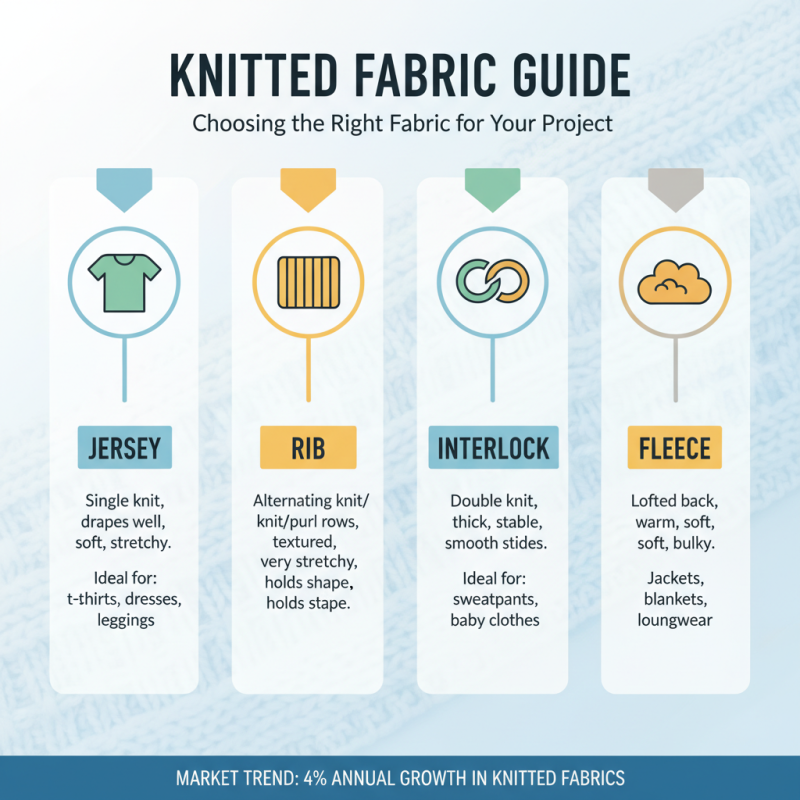
When it comes to selecting the right knitted apparel fabric for your next project, understanding the various types available is essential. The market offers a diverse range of knitted fabrics including jersey, rib, interlock, and fleece, each presenting unique characteristics that affect the final outcome of your apparel. According to a report by Textile Insight, the knitted fabric market has seen a steady growth rate of around 4% annually, indicating increasing consumer demand for specific types of knits that cater to comfort and performance.
Jersey knit, for instance, is widely recognized for its softness and stretch, making it an ideal choice for t-shirts and casual wear. Rib knit, on the other hand, provides significant elasticity, commonly used in cuffs and collars. Furthermore, interlock knit combines the benefits of both jersey and rib, resulting in a thicker fabric that is perfect for structured garments. Lastly, fleece knit offers warmth and coziness, popular for outerwear and loungewear.
**Tips:** When choosing a fabric, consider the end use of your garment. For lightweight summer wear, opt for breathable jersey knits. If durability and structure are required, interlock or rib knits are the way to go. Always test a fabric sample for stretch and recovery to ensure it meets your project needs.
Evaluating Fabric Weight and Stretch for Your Knitted Apparel
When choosing the best knitted apparel fabric for your next project, understanding fabric weight and stretch is essential. Fabric weight, typically measured in grams per square meter (GSM), plays a crucial role in determining the drape, durability, and overall feel of the clothing. For instance, lightweight fabrics (around 150-200 GSM) are ideal for summer garments and layering pieces, while heavier fabrics (over 250 GSM) provide warmth and structure, perfect for winter apparel. According to the Textile World magazine, garments made from medium-weight fabrics (200-250 GSM) are currently favored in the market, striking a balance between comfort and sturdiness.
Stretch is another key factor when selecting knitted fabrics. The stretchiness of a fabric is influenced by its fiber content and knit construction. For instance, jersey knits generally have a 2-way stretch, providing a comfortable fit but limited recovery, while spandex blends can offer 4-way stretch, allowing garments to retain their shape and provide ease of movement. A report by the Fashion Institute of Technology indicates that about 70% of consumers prefer garments with at least some degree of stretch, emphasizing the importance of considering this attribute for performance and comfort. Therefore, evaluating both weight and stretch can significantly impact the success of your knitted apparel project, ensuring it meets both aesthetic and functional requirements.
Fabric Weight and Stretch Evaluation for Knitted Apparel
Identifying Suitable Fiber Content for Comfort and Durability
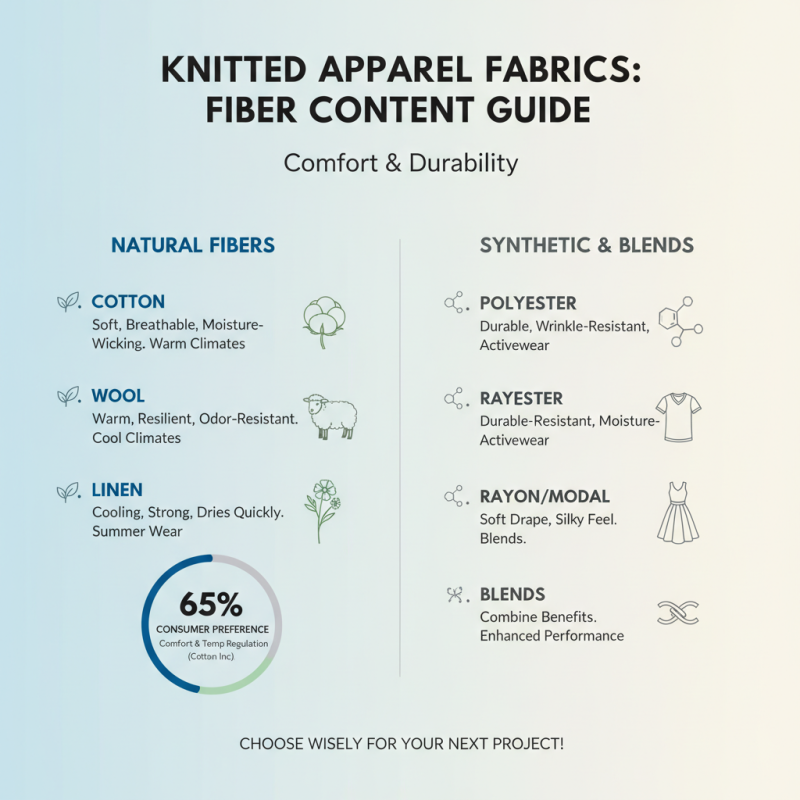
When selecting knitted apparel fabrics for your next project, understanding fiber content is crucial for achieving both comfort and durability. Natural fibers, such as cotton, wool, and linen, offer breathability and softness, making them ideal for everyday wear. According to the Cotton Incorporated Lifestyle Monitor, around 65% of consumers prefer garments made from natural fibers due to their comfortable feel and temperature regulation properties. Cotton, for example, not only absorbs moisture effectively but also provides excellent comfort, particularly in warmer climates.
On the other hand, synthetic fibers like polyester and nylon have gained popularity for their durability and resilience. The Textile World report indicates that the global market for synthetic fibers is projected to reach over $100 billion by 2025, driven by their long-lasting nature and resistance to wrinkling and shrinking. Blending natural and synthetic fibers can also yield optimal results, as seen in many contemporary knitted fabrics. For instance, a cotton-polyester blend combines the softness of cotton with the durability of polyester, catering to both comfort and functionality demands of modern consumers. When choosing your fabric, consider how the fiber content aligns with your project goals in terms of wearability and longevity.
Considering Texture and Pattern Options for Aesthetic Appeal
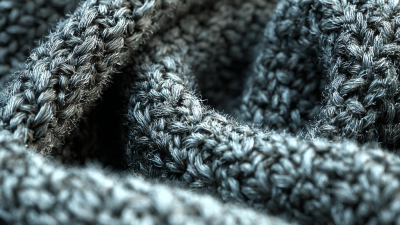
When selecting the ideal knitted apparel fabric for your next project, focusing on texture and pattern options can significantly enhance the aesthetic appeal of your creations. The texture of a fabric not only influences how it feels against the skin but also plays a crucial role in the garment's drape and visual interest. According to a report by the Textile World magazine, knitted fabrics can vary from smooth and lightweight to chunky and textured, offering diverse applications for different styles. For instance, a fine gauge knit can provide a sleek look, while a bulky knit adds dimension and warmth, making it important to consider the intended use of the garment when deciding on textures.
On the other hand, the choice of patterns can also be a game changer in knitting projects. Industry research indicates that color and pattern combinations can drastically alter consumer perception of clothing, with floral and geometric designs consistently trending in recent years. The 2022 Fabric Trends report highlighted that 65% of consumers are drawn to unique printed textures, emphasizing the importance of selecting patterns that resonate with your target audience. Incorporating elements such as stripes, color-blocking, or textured motifs can not only enhance the visual appeal of the knitted apparel but also create a signature style that stands out in an increasingly competitive market. Hence, understanding the interplay between texture and pattern is essential for producing knitted garments that are both stylish and functional.
How to Choose the Best Knitted Apparel Fabric for Your Next Project
| Fabric Type |
Texture |
Pattern Options |
Ideal Uses |
| Cotton Knit |
Soft and breathable |
Floral, Stripes, Polka Dots |
T-shirts, Dresses |
| Wool Knit |
Warm and textured |
Cable Knit, Fair Isle |
Sweaters, Scarves |
| Acrylic Knit |
Lightweight and durable |
Geometric, Animal Prints |
Hats, Blankets |
| Bamboo Knit |
Sustainable and silky |
Botanical, Tie Dye |
Activewear, Loungewear |
| Modal Knit |
Soft and drapey |
Solid Colors, Ombre |
Dresses, Tops |
Assessing Care Requirements and Longevity of Knitted Fabrics
When selecting a knitted fabric for your project, it is essential to consider the care requirements and longevity of the material. Different types of knitted fabrics come with varying levels of maintenance, which can significantly affect both the usability and longevity of the finished garment. For instance, natural fibers like cotton and wool typically require gentle washing, while synthetic options might offer more durability and easier cleaning routines. Understanding the care instructions associated with each fabric type helps ensure that your creation will last through repeated wear and washing, maintaining its shape and color over time.
Longevity is another critical factor to evaluate when choosing knitted fabrics. Some materials, such as blend fabrics that combine natural and synthetic fibers, offer enhanced durability while still providing a comfortable feel. It's vital to assess how the fabric responds to wear, including pilling or fading, and to consider the intended use of the apparel.
For everyday clothing, you may prioritize durability over aesthetic appeal, while for special occasions, one might choose a softer, more delicate option that requires more attentive care. Overall, by carefully assessing these factors, you can choose a knitted fabric that not only meets your design vision but also stands the test of time in practical use.