How to Choose the Best Thin Hoodie Fabric for Your Needs?
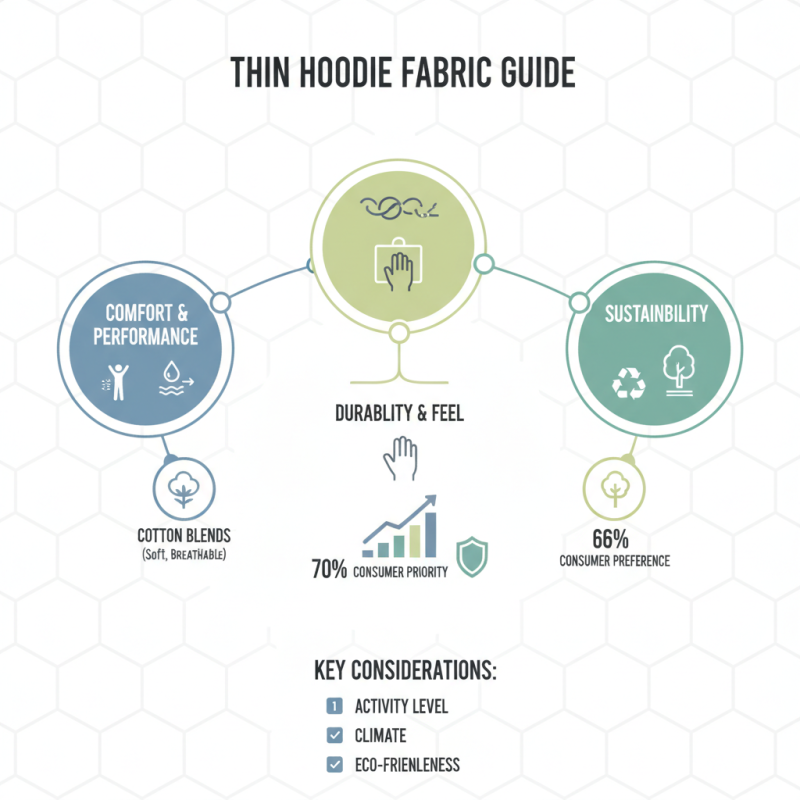
Choosing the right thin hoodie fabric can significantly impact comfort and performance. Industry reports show that materials like cotton blends and polyester are popular choices. These fabrics provide breathability and flexibility, essential for active lifestyles. According to a survey by Textile World, 70% of consumers prioritize fabric quality for durability and feel.
Understanding fabric types is vital. For example, lightweight cotton offers comfort, while polyester provides moisture-wicking properties. However, not all thin hoodie fabrics are created equal. Some may lack durability or breathability, leading to discomfort. It's essential to consider your specific needs when selecting a fabric.
Additionally, sustainability is becoming increasingly important. A report by the Global Fashion Agenda highlights that 66% of consumers prefer sustainable materials. This trend challenges brands to innovate while maintaining eco-friendly standards. Ultimately, finding the best thin hoodie fabric requires careful consideration of factors such as comfort, performance, and sustainability.
Understanding Different Types of Thin Hoodie Fabrics Available
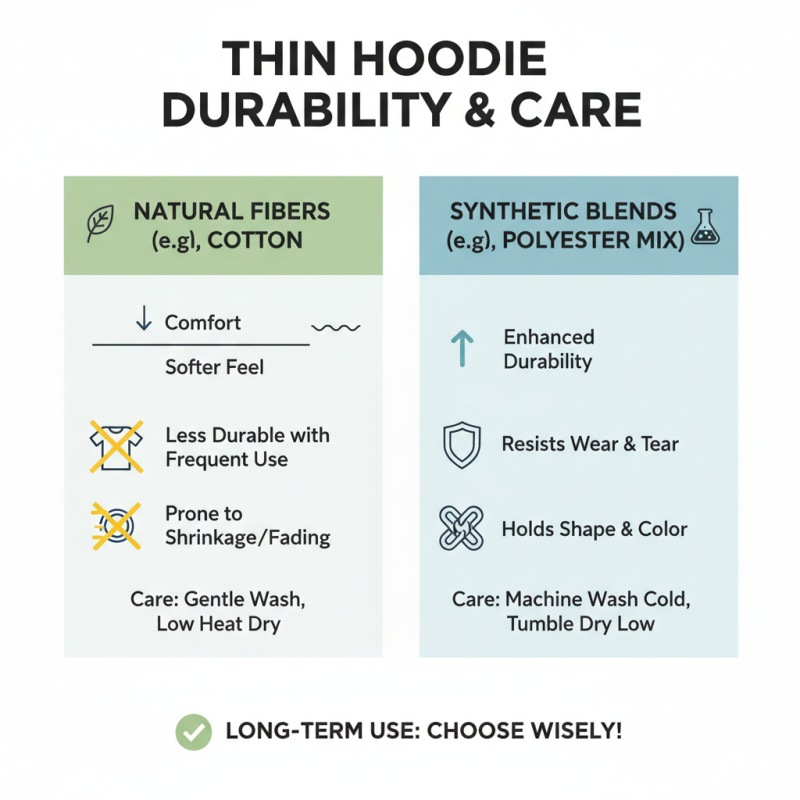
When selecting a thin hoodie, the choice of fabric is crucial. Different materials offer unique properties that can significantly affect comfort and performance. Cotton blends are popular. They provide breathability and moisture-wicking abilities. According to a textile report, cotton maintains about 30% better moisture absorption than synthetic fabrics. This makes it ideal for casual wear.
Polyester is another commonly used fabric. It is lightweight and durable, making it suitable for active use. Reports show that polyester can dry up to 5 times quicker than cotton. For those who engage in outdoor activities, this durability is essential. However, some find polyester less breathable, leading to a potential discomfort during prolonged wear.
Another option is bamboo fabric. It is increasingly favored for its eco-friendliness and superior softness. Bamboo can offer natural antibacterial properties, which is an advantage for everyday wear. However, it is important to consider sustainability practices from manufacturers. Not all bamboo processing methods are environmentally friendly, which may contradict the material's benefits. Each fabric choice presents its own set of pros and cons, and the best option depends on personal needs and activities.
Evaluating Fabric Weight and Breathability for Comfort
When selecting a thin hoodie, fabric weight and breathability are key factors for comfort. Light fabrics, like cotton blends, offer easy movement while providing warmth. Heavier materials, however, can restrict airflow. Understanding the weight of the fabric helps ensure you choose the right balance for your activities.
Breathability impacts how comfortable a hoodie feels, especially during exercise. Look for materials that wick moisture away from your skin. A thin hoodie made from breathable fabrics allows sweat to evaporate quickly. This keeps you cooler and more comfortable. Pay attention to fabric composition. Natural fibers often provide better breathability than synthetic ones. However, some blends can offer both comfort and durability.
Choosing the best fabric requires reflection. Consider your activities and environment. A fabric that feels good in the store may not perform well during workouts. Test how different materials react to your body heat. It’s not just about looks; function matters too. Don’t hesitate to experiment with various options to find what truly works for you.
Fabric Weight and Breathability Evaluation for Thin Hoodies
This chart compares the fabric weight and breathability index of various thin hoodie fabrics. A lower fabric weight generally indicates a lighter and more comfortable hoodie, while a higher breathability index indicates better air circulation, essential for comfort during wear.
Choosing the Right Fabric for Climate and Activity Level
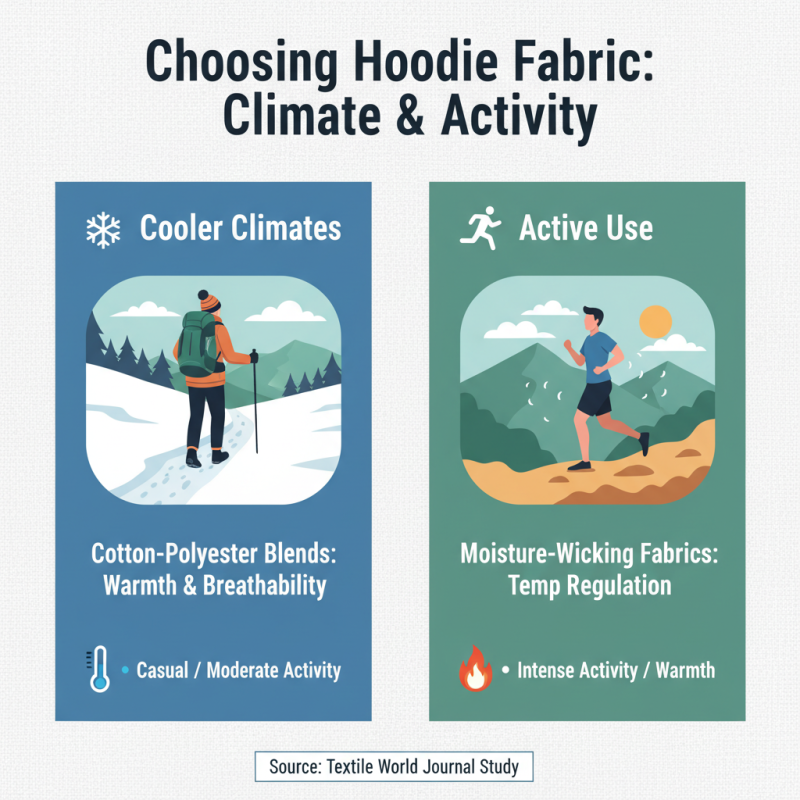
Choosing the right fabric for a thin hoodie can significantly impact your comfort and performance. Understanding your climate is essential. For cooler environments, materials like cotton-polyester blends provide a good balance of warmth and breathability. A study by the Textile World Journal indicates that fabrics with moisture-wicking properties can help regulate temperature, making them ideal for active use.
When considering activity level, lightweight fabrics such as modal or Tencel are perfect for high-intensity workouts. They are soft against the skin and dry quickly. Research from the Journal of Sports Sciences highlights that wearers experience less discomfort and increased endurance in moisture-wicking materials during exercise. This is crucial for athletes who need optimal performance gear.
However, not all thin fabrics are created equal. Some may not offer adequate insulation or moisture control. It’s important to test different materials. Pay attention to the feel and movement during physical activities. Over time, you may find some fabrics do not hold up well. This trial-and-error approach can lead to better garment choices tailored to your personal needs.
Considering Environmental Impact and Sustainability in Fabric Selection
When selecting a thin hoodie fabric, consider its environmental impact.
Sustainable materials reduce pollution and waste.
Fabrics like organic cotton, hemp, or recycled polyester are better for the planet.
These options require fewer resources and contribute to lower carbon footprints.
Tips: Look for certifications.
Oeko-Tex and GOTS indicate responsible sourcing. Research the fabric's production process.
Transparency is key to making informed choices.
Also, remember that not all 'eco-friendly' labels are accurate.
Take the time to read and reflect on the claims made. Some brands may greenwash their products, exaggerating sustainability.
Critical thinking is vital in this purchase decision.
Choose wisely to ensure that your hoodie supports your values while maintaining style and comfort.