Why Choose Circle Machine Knitted Fabric for Your Projects?
When embarking on your next textile project, the choice of fabric can significantly influence the outcome. Circle Machine Knitted Fabric stands out due to its unique properties and versatility. This type of fabric is created using advanced knitting techniques that promise both durability and comfort. Many designers and manufacturers trust its quality, making it a popular choice in the fashion industry.
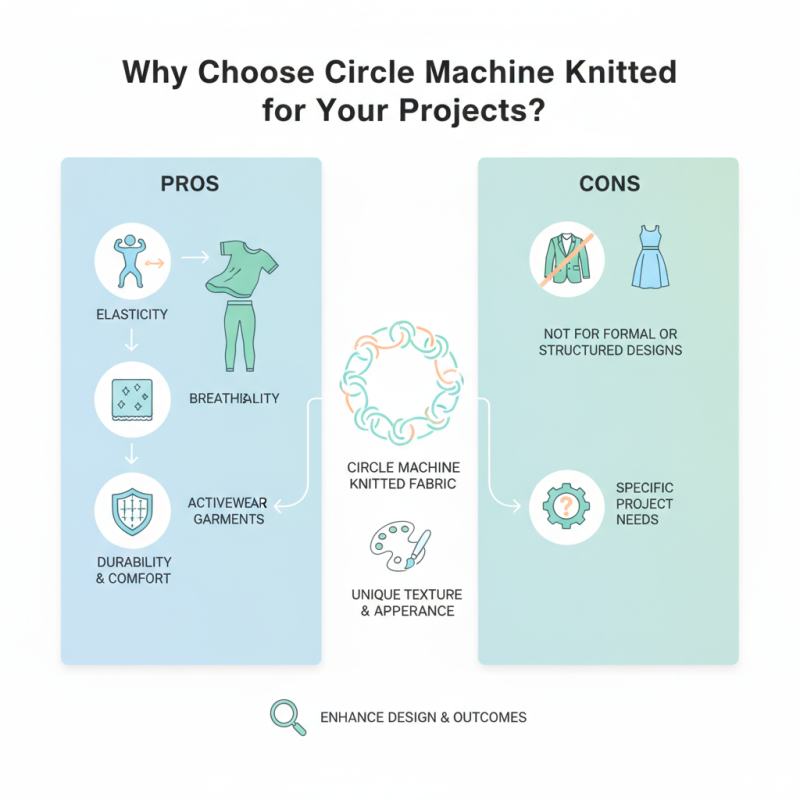
One of the remarkable advantages of Circle Machine Knitted Fabric is its elasticity. It hugs the body while allowing free movement. This quality makes it ideal for activewear and other garments that require flexibility. In addition, the fabric's breathability ensures comfort in various weather conditions. Yet, not all projects may benefit from this choice. It may not be the best for formal wear or structured designs.
Each project has its specific needs. Reflecting on these aspects can help you make a better decision. Experimenting with Circle Machine Knitted Fabric can lead to surprising results. You may find its unique texture and appearance add a distinctive touch to your creations. Ultimately, understanding its features can enhance your design process and project outcomes.
Benefits of Using Circle Machine Knitted Fabric in Garment Production
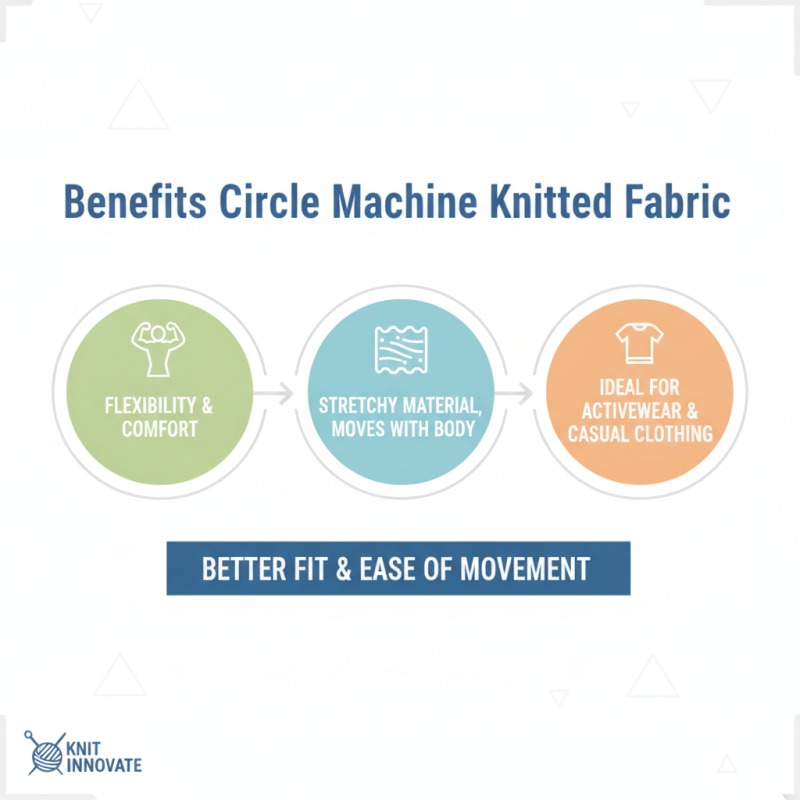
Circle machine knitted fabric offers several advantages for garment production. This type of fabric is known for its flexibility and comfort. The knitting process creates a stretchy material that moves with the body, making it ideal for activewear and casual clothing. Garments made from this fabric fit better and provide ease of movement.
One notable benefit is the durability of circle knitted fabric. It withstands wear and tear, ensuring that clothing remains intact longer. This reduces the need for frequent replacements, which is a significant advantage for both manufacturers and consumers. Additionally, the fabric is breathable, which enhances comfort during various activities.
However, the production of circle knitted fabric can be complex. It requires skilled operators who understand the intricacies of the knitting machines. A lack of experience may lead to inconsistencies in fabric quality. It’s crucial for manufacturers to invest in training and quality control to achieve the best results. Despite the challenges, the benefits of circle machine knitted fabric make it a valuable choice for innovative garment design.
Comparison of Circle Knitted Fabrics vs. Other Knitting Techniques
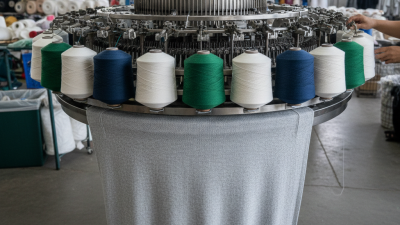
Circle machine knitted fabric stands out among various knitting techniques for several reasons. The continuous loop of fabric it creates offers a unique stretch and recovery. This flexibility makes it perfect for fitted garments, activewear, and other applications where comfort is key. The knitting process allows for intricate patterns and designs, giving projects a professional finish.
In contrast, flat knitting methods can be less elastic. Though they allow for diverse stitch patterns, they often lack the uniformity and smoothness found in circle knitted fabrics. Hand knitting offers creativity but may lead to inconsistencies in tension. These variations can be frustrating for projects requiring precision and durability. Understanding these differences helps artists and crafters make informed decisions.
While circle knitted fabric has advantages, it's not without challenges. Some may find it limiting in design options compared to flat knitting. The machinery used for circle knitting is also a significant investment. This requires a commitment to the craft. Balancing these factors is crucial for anyone considering this versatile fabric for their projects.
Durability and Stretch: Key Attributes of Circle Machine Knitted Fabric
Circle machine knitted fabric stands out for its remarkable durability and stretch, making it an ideal choice for various projects. According to recent industry reports, this fabric exhibits a tensile strength approximately 30% higher than traditional weaves. This makes it more resistant to wear and tear, especially in high-use applications. The ability to withstand harsh conditions means that products made from circle machine knitted fabric can last longer, providing significant cost savings over time.
Another key attribute of circle machine knitted fabric is its exceptional stretch capability. Studies indicate that this type of fabric can stretch up to 50% of its original size without losing form. This flexibility is essential for performance wear, activewear, and apparel that requires a snug fit. Moreover, its inherent elasticity allows for unrestricted movement, which is crucial for active lifestyles. However, not all stretch fabrics are created equal. Some may lose their shape after repeated use, which is a concern that projects must address during the selection process.
Despite these advantages, manufacturers should consider potential drawbacks. The production process for circle machine knitted fabric can be complex, sometimes resulting in minor inconsistencies in texture. Additionally, the initial cost might be higher compared to conventional fabrics. Each project should weigh the benefits of longevity and performance against these factors for an informed decision. Balancing quality with budget constraints is essential for achieving project goals.
Why Choose Circle Machine Knitted Fabric for Your Projects? - Durability and Stretch: Key Attributes of Circle Machine Knitted Fabric
| Attribute |
Description |
Benefits |
| Durability |
Circle machine knitted fabrics are known for their strength and resistance to wear and tear. |
Long-lasting projects with reduced need for replacement, saving costs in the long run. |
| Stretch |
These fabrics possess excellent elasticity, allowing them to retain shape and fit well. |
Provides comfort and freedom of movement, ideal for activewear and fitted garments. |
| Breathability |
Circle knitted fabrics allow air circulation, making them breathable for various conditions. |
Enhances comfort in hot weather, suitable for summer clothing and athletic wear. |
| Versatility |
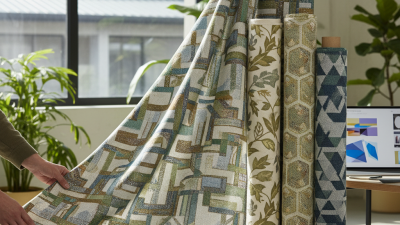
These fabrics can be used in a variety of applications, from clothing to upholstery. |
Flexibility in design projects, catering to different styles and purposes. |
| Easy Care |
Most circle knitted fabrics are machine washable and quick to dry. |
Convenience for end-users, reducing time spent on garment upkeep. |
Cost-Effectiveness of Circle Knitted Fabrics in Large-Scale Manufacturing
Circle machine knitted fabrics are gaining popularity due to their cost-effectiveness in large-scale manufacturing. This type of fabric allows for efficient production with minimal waste. The circular knitting process ensures that materials are utilized to the maximum, reducing excess scraps. This is crucial in a market where cost control is essential.
Additionally, the durability of these fabrics contributes to their cost benefits. Fabrics produced through circle knitting resist wear and tear well. This means that the final products have a longer lifespan, translating to fewer replacements. Manufacturers can offer competitive pricing without sacrificing quality. However, it’s important to balance the benefits with potential limitations in texture and versatility.
While circle knitted fabrics are efficient, some designs may be less intricate compared to other knitting methods. This might not fit all creative visions. Reflecting on these aspects can help choose the right fabric for specific projects. Understanding both strengths and weaknesses leads to better decision-making in textile choices.
Sustainability Aspects of Circle Machine Knitted Fabrics in the Textile Industry
Circle machine knitted fabrics have gained attention in the textile industry for their sustainability. These fabrics use less energy in production compared to traditional methods. Reports indicate that circular knitting can save up to 25% energy. This is significant as the industry aims to reduce its carbon footprint.
Moreover, circle machine knitted fabrics often utilize recycled materials. According to a report by the Global Textile Alliance, around 30% of the raw materials in knitted fabrics can be derived from recycled sources. This contributes to a lesser environmental impact. However, the challenge lies in the quality of recycled fibers. Not all recycled materials meet the high standards required for durable products.
The longevity of circle machine knitted fabrics also plays a role in sustainability. These fabrics typically exhibit better resilience and durability, leading to longer lifespans. However, consumers must be educated on proper care to maximize their lifespan. Improper washing and maintenance can lead to premature wear, negating some of the sustainability benefits.