How to Choose the Right Thin Hoodie Fabric for Ultimate Comfort and Style
In the ever-evolving world of fashion, selecting the right Thin Hoodie Fabric has become essential for achieving the perfect balance between comfort and style. As consumers increasingly prioritize lightweight, breathable materials, industry reports indicate that the demand for performance-oriented fabrics has surged. According to a recent textile industry study, the market for thin hoodie fabrics is projected to grow by 15% annually, driven by a shift towards athleisure and casual wear.
Experts in the field emphasize the importance of choosing a fabric that not only enhances aesthetic appeal but also contributes to comfort during wear. Dr. Jane Thompson, a renowned textile engineer, states, "The right Thin Hoodie Fabric should adapt to body temperature, allowing for versatility in both active and relaxed settings." This insight underscores the necessity for consumers to consider fabric composition, moisture-wicking properties, and stretchability when selecting a hoodie that aligns with their lifestyle.
As we delve into the intricate details of choosing the perfect Thin Hoodie Fabric, understanding the characteristics of various materials can empower fashion enthusiasts to make informed decisions that embody both style and functionality. Embracing the right fabric can transform a simple hoodie into a wardrobe staple that meets the demands of modern living.
Choosing the Ideal Fabric for Thin Hoodies: Key Considerations
When selecting fabric for thin hoodies, comfort and style are paramount. One crucial consideration is the blend of materials used. Fabrics like cotton or modal are excellent choices due to their soft texture and breathability. Cotton, being a natural fiber, offers a lightweight feel that is gentle on the skin, making it ideal for all-day wear. Modal, on the other hand, is derived from beech tree pulp and known for its exceptional softness and moisture-wicking properties, ensuring you stay dry and comfortable.
Another important factor is the hoodie’s stretch and fit. Fabrics that include spandex or elastane provide a snug yet flexible feel, allowing for ease of movement without compromising style. This adaptability can enhance the overall silhouette of the hoodie, ensuring it flatters various body shapes.
Additionally, considering the weight of the fabric can influence the hoodie’s layering potential. A lightweight, slightly stretchy fabric can provide the perfect balance between casual comfort and a sleek look, making it a versatile addition to any wardrobe.
Understanding Fabric Types: Cotton, Polyester, and Blends Explained
When selecting the right thin hoodie fabric, understanding the differences between cotton, polyester, and blends is crucial. Cotton, a natural fiber, is favored for its breathability and comfort. According to the Cotton Incorporated Lifestyle Monitor, 85% of consumers prefer cotton for casual wear due to its softness and hypoallergenic properties. This makes cotton an excellent choice for those seeking a cozy fit. However, cotton can absorb moisture, which might not be ideal for all activities, particularly high-energy workouts.
On the other hand, polyester is a synthetic fiber known for its durability and moisture-wicking capabilities. As reported by the Polyester International Study, garments made from polyester retain their shape well and can dry significantly faster than cotton. This is especially beneficial for outdoor enthusiasts or those who enjoy active lifestyles. Polyester blends often combine the advantages of both fibers, offering a balance of comfort, easy care, and varied stretch depending on their composition.
Tips: When choosing fabric, consider your activity level. If you're looking for everyday comfort, opt for cotton. For exercise or humid weather, polyester or a cotton-polyester blend can provide the necessary moisture management. Additionally, always check the fabric weight; lighter weights are more breathable and suitable for layering, while heavier weights offer more warmth.
Fabric Comfort and Style Comparison
This chart compares the comfort ratings of three different fabric types commonly used in thin hoodies: cotton, polyester, and cotton-polyester blends. Cotton is generally rated the highest for comfort, while polyester tends to be less comfortable but more durable.
Moisture-Wicking Properties: Importance for Comfort and Performance
Choosing the right thin hoodie fabric is essential for achieving both comfort and style, particularly through its moisture-wicking properties. Fabrics engineered to wick moisture away from the skin provide a significant advantage during active pursuits. When you sweat, the body temperature rises, and if the fabric clings to moisture, it can become heavy and uncomfortable. Instead, moisture-wicking materials draw sweat to the surface where it can evaporate, keeping you dry and comfortable whether you’re at the gym or out for a casual stroll.
Moreover, the importance of moisture-wicking extends beyond mere comfort; it directly impacts performance. In dynamic environments where movement is key, such as during workouts or outdoor activities, having a fabric that helps maintain a consistent body temperature can enhance endurance and overall experience. A well-chosen thin hoodie not only looks stylish but also plays a crucial role in regulating body temperature, preventing overheating, and supporting mobility. Therefore, when selecting a thin hoodie, prioritizing moisture-wicking properties is essential for both fashion and function.
Evaluating Breathability: The Role of Fabric Weave and Density
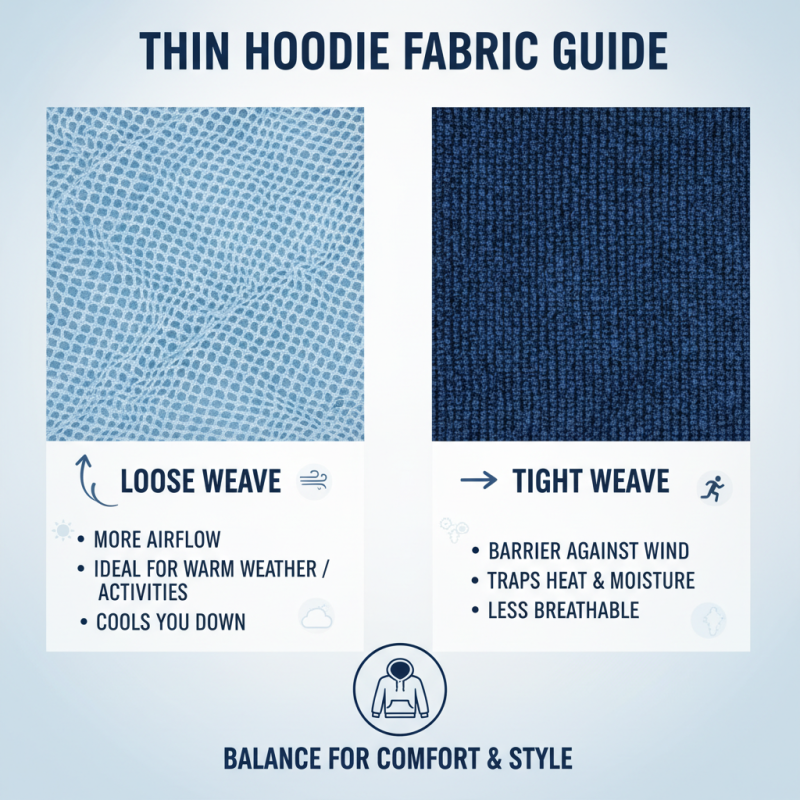
When selecting a thin hoodie that balances comfort and style, evaluating the breathability of its fabric is paramount. The fabric weave plays a significant role in determining how air circulates through the material. A loose weave allows for greater airflow, making it ideal for warmer weather or intense activities. On the other hand, a tighter weave can create a barrier against the wind, but may trap heat and moisture, leading to discomfort. Understanding these weaves can help you find the right balance for your specific needs.
Fabric density is another crucial factor affecting breathability. Lightweight fabrics with lower density are more breathable, allowing sweat and moisture to escape, which keeps you cool during physical exertion. Conversely, denser fabrics might provide warmth and durability but are often less breathable. Therefore, when looking for a thin hoodie, consider how these elements of fabric weave and density interact with your lifestyle requirements. Choosing the right combination will ensure you remain comfortable and stylish, whatever the occasion.
Sustainability Trends: Eco-Friendly Fabrics in the Hoodie Market
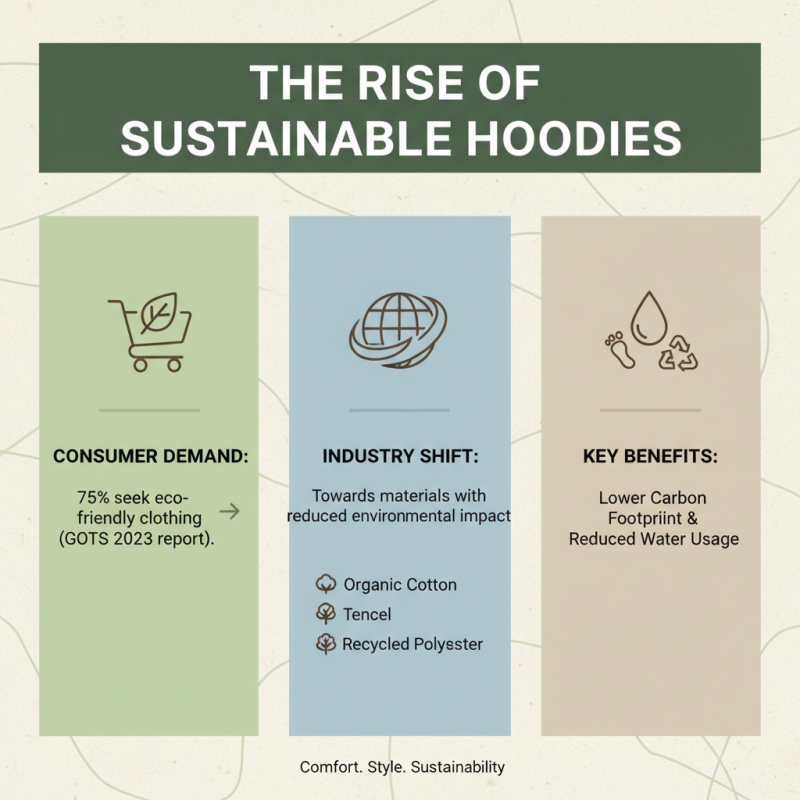
In recent years, the hoodie market has seen a significant shift towards sustainability, driven by consumer demand for eco-friendly materials. According to a 2023 report by the Global Organic Textile Standard (GOTS), nearly 75% of consumers are now actively seeking out sustainable clothing options. This trend has pushed manufacturers to explore fabrics that not only offer comfort and style but also minimize environmental impact. Natural materials such as organic cotton, Tencel, and recycled polyester are gaining traction for their reduced carbon footprints and lower water usage compared to conventional fabrics.
Choosing the right thin hoodie fabric involves understanding these sustainability trends. For instance, Tencel, derived from sustainably sourced wood pulp, is known for its breathability and moisture-wicking properties, making it ideal for layered styles. Furthermore, recycled polyester, made from post-consumer plastics, can significantly reduce waste while providing the durability and softness consumers expect from a hoodie. The Higg Index, an assessment tool that measures the environmental and social impact of apparel products, indicates that incorporating such eco-friendly materials can help brands achieve a more responsible footprint. As the demand for stylish yet sustainable garments continues to rise, embracing these innovative fabrics is essential for both consumers seeking comfort and brands looking to lead in sustainable fashion.