Why Choose the Right Fabric for Your Fashion Suit?
When it comes to fashion, the right fabric can make or break a suit. Expert designer James Anderson once said, “The fabric defines the style and comfort of a fashion suit.” Choosing the right fabric is crucial for many reasons. It affects the drape, structure, and overall aesthetic of your outfit.
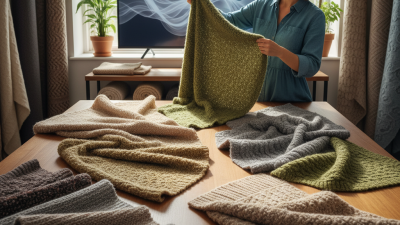
Fashion Suit Fabric varies widely in texture and appearance. Fabrics can range from luxurious wool to lightweight linen. Each material brings a unique character that reflects personal style. While exploring options, consider how they will hold up over time. Not all fabrics are built to last, and some may need special care.
It’s easy to focus solely on color and pattern. However, overlooking fabric quality can lead to regrets later. A stunning design may fall flat if the fabric does not suit your needs. Ultimately, investing in quality fabric for your fashion suit is essential for achieving both style and comfort.
Understanding the Importance of Fabric in Fashion Suits
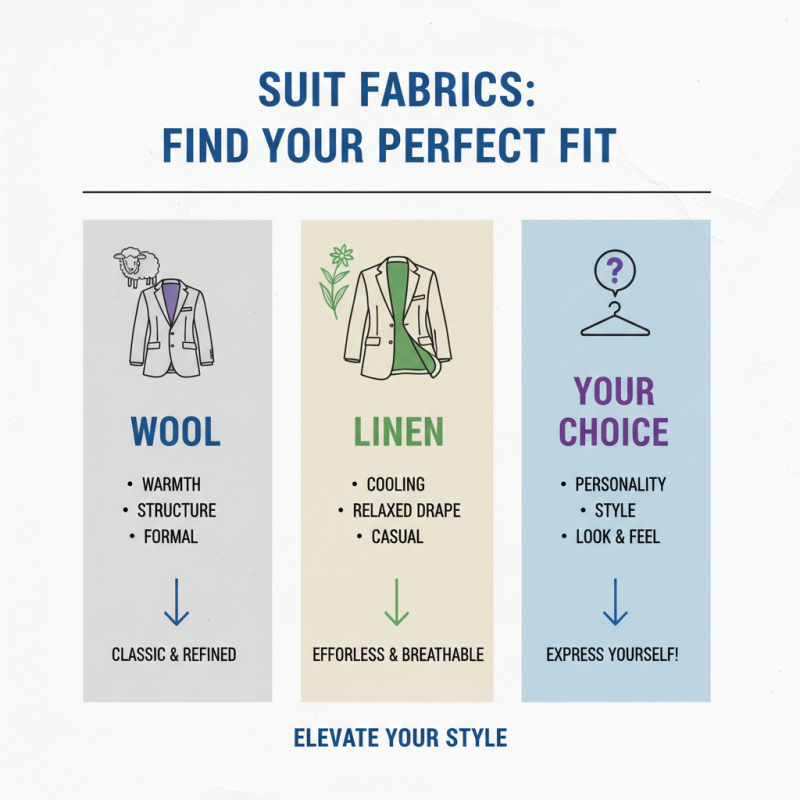
Fabric choice is crucial for fashion suits. The right material can enhance comfort and style. An ideal fabric drapes well and breathes easily. Think about how wool, cotton, and linen each provide different benefits. Wool offers warmth and structure, while linen keeps you cool in summer. Cotton is versatile but sometimes less formal.
Choosing the right fabric also means considering texture. Smooth silk can elevate a look, while a coarse fabric can convey a more casual vibe. But not all textures work for every occasion. Sometimes, a rich texture can seem too loud. It’s essential to strike a balance. Color can also change perception. A bold color may stand out, but it can also fade.
Pay attention to how the fabric feels against your skin. It should not irritate or constrict your movements. Yet, many people choose fabrics based on appearance alone. This can lead to uncomfortable experiences. Reflection on personal comfort is key in making choices. Don't overlook the importance of fabric in a suit; it shapes how you feel and present yourself.
Types of Fabrics Used in Fashion Suits and Their Characteristics
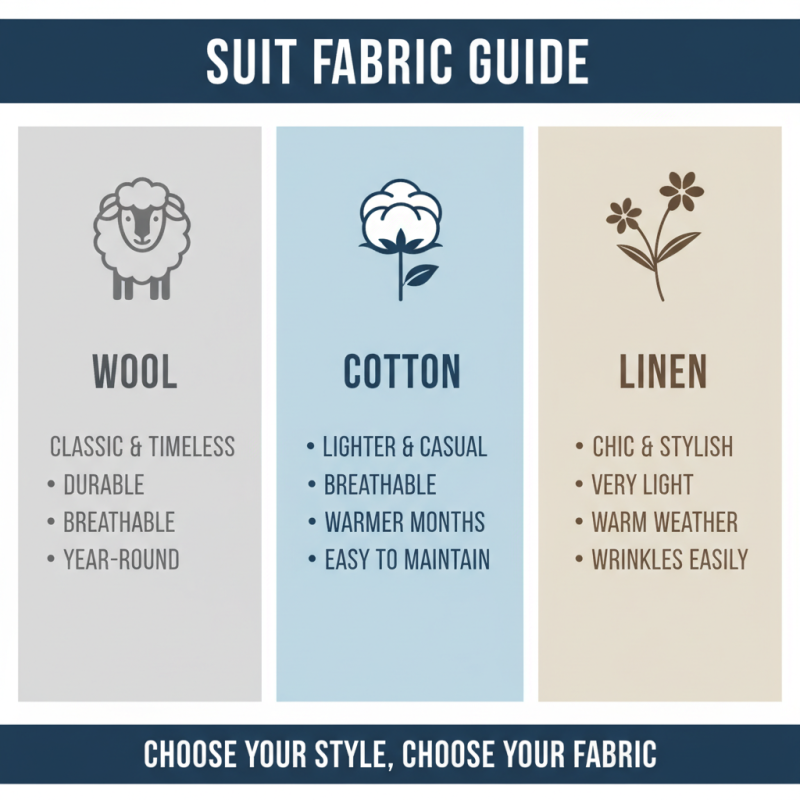
Choosing the right fabric for your fashion suit is essential. Different fabrics offer distinct qualities and aesthetics. For instance, wool is a classic choice. It is durable, breathable, and often regarded as timeless. Cotton suits are lighter and more casual, perfect for warmer months. Linen, while chic, wrinkles easily and demands careful handling.
When selecting fabric, consider the climate and occasion. Silk provides a luxurious feel but can be delicate. Polyester blends can offer affordability and resistance to creasing. Each fabric can significantly impact your suit's overall appearance.
**Tip:** Always feel the fabric before purchasing. This helps you understand its texture and weight.
**Tip:** Think about your lifestyle. If you travel often, opt for wrinkle-resistant fabrics.
Balancing style with practicality is not easy. Sometimes a beautiful fabric might not suit your daily life. Reflect on what you truly need. Choose wisely to express your individuality.
Factors to Consider When Choosing Fabric for Your Suit
Choosing fabric for your fashion suit is crucial. The fabric defines the suit's look and feel. Different materials offer various benefits and drawbacks. For instance, wool is breathable but can be heavy. Cotton is lighter but may wrinkle easily. Think about the climate too. A heavy fabric may not be practical in warm weather.
Texture matters as well. Some fabrics can look luxurious but may not be comfy. Smooth silk can shine but might not wear well over time. Consider how the fabric drapes on your body. A stiff fabric can restrict movement. This can become annoying during long days. Pay attention to the suit's purpose. A formal occasion might require something elegant, whereas casual outings may allow for relaxed styles.
Don't forget about care. Some fabrics need dry cleaning, while others are machine washable. Maintenance is key to keeping your suit looking sharp. Reflect on your lifestyle. Your fabric choice should suit your daily needs. Make your selection not just on looks, but also on practicality.
How Fabric Affects Suit Comfort, Fit, and Durability
Choosing the right fabric for your fashion suit can greatly affect your overall experience. The fabric you select determines comfort. A soft, breathable material allows for ease of movement. It can keep you cool in warmer months. Fabrics like cotton or linen often achieve this. On the other hand, heavier materials like wool provide warmth. They can be too heavy for summer days, leading to discomfort.
Fit is also influenced by fabric choice. Stiffer materials can restrict movement. This might lead to an unflattering silhouette. A flexible fabric like stretch cotton or jersey molds to your body, enhancing the fit. However, overly stretchy fabrics can sometimes look cheap. Finding the right balance is key.
Durability is crucial as well. Natural fibers typically wear better over time. They can withstand many cleanings and last for years. Synthetic fabrics may fray or lose their shape quickly. Yet, they often require less maintenance. Each option has trade-offs. Careful consideration is needed to avoid regret later.
The Role of Fabric in Fashion Trends and Suit Aesthetics
When it comes to fashion suits, the fabric you choose can make all the difference. Fabric influences not only the look but also the drape and fit of your suit. Certain fabrics can elevate a simple design into something remarkable. For instance, wool provides warmth and structure, while linen offers a relaxed vibe. The choice can reflect your personality and style.
Tips: Always consider the season. Lightweight fabrics like cotton are perfect for summer, while heavier materials like flannel work well in winter.
Fashion trends often highlight specific fabrics. Velvet, for example, is gaining popularity for its luxurious appeal. However, it can be tricky to wear. It may require careful upkeep. Not every fabric suits every body type. A well-fitted suit in the right fabric enhances your silhouette.
Tips: Test various fabrics against your skin before purchasing. Some may irritate or feel too heavy. Comfort should always come first. Remember, a fabric that looks good might not always feel good.