How to Choose Thick Single Jersey Fabric for Your Apparel Needs?
Choosing the right fabric is crucial for apparel design. Thick Single Jersey Fabric stands out for its versatility and comfort. According to industry expert Maria Thompson, "Quality fabric makes a significant difference in the final product." This statement highlights the importance of selecting the right material.
Thick Single Jersey Fabric is popular in various clothing lines. Its texture provides both warmth and stretch. However, not all thick jerseys are created equal. Variations in weight and blend can affect durability and feel. Understanding these differences is essential for making informed choices.
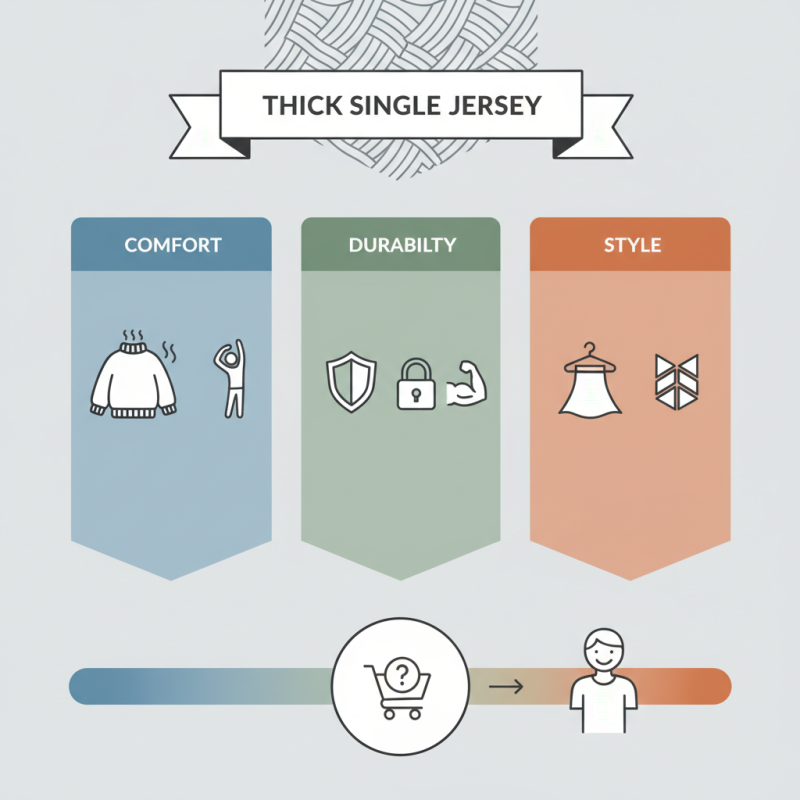
When selecting Thick Single Jersey Fabric, consider your end goals. Are you aiming for comfort, durability, or style? Each factor shapes how the fabric performs in different situations. Reflecting on your needs can lead to a more satisfying choice, ultimately enhancing the wearer's experience.
Understanding Thick Single Jersey Fabric and Its Characteristics
Thick single jersey fabric is gaining traction in the apparel industry, thanks to its versatility and durability. This fabric is typically made from cotton, offering a soft touch and breathability. According to the 2023 Textile Industry Report, 58% of designers prefer thick jersey for activewear due to its excellent stretch and recovery features.
The weight of thick single jersey usually ranges from 200 to 300 grams per square meter. This density provides a sturdy feel, making it suitable for various garments. However, some users find that heavier fabric may hinder mobility. It’s important to assess the specific needs of your apparel. The right thickness can enhance comfort while ensuring structural integrity.
While thick single jersey offers many benefits, it’s vital to consider potential downsides. The fabric's tendency to retain heat might be uncomfortable in warmer climates. A survey by Fabric Innovations found that 40% of consumers prefer lighter alternatives in summer. Balancing weight and breathability is crucial. Designers should conduct thorough evaluations of fabric performance in different environments before making decisions.
Assessing the Weight and Thickness for Suitable Apparel Uses
When choosing thick single jersey fabric, understanding weight and thickness is essential. This fabric typically ranges from 200 to 300 grams per square meter. Heavier fabric offers durability, while lighter options provide breathability. Consider how these factors impact comfort during wear. It's crucial to match fabric characteristics to specific apparel needs.
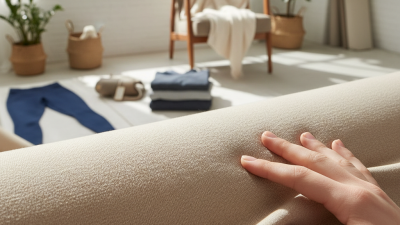
Tips: Always test a sample against skin. You'll discover how it feels. A thicker fabric can provide warmth, but may not be ideal for summer wear. Check the stretch; it affects fit and movement. Pay attention to how the fabric drapes. It can change the overall appearance of your apparel.
Remember, the ideal thickness depends on your design goals. A thicker fabric can create structure, but might be restrictive. Reflect on how the fabric choice aligns with your target audience. Not everyone prefers heavy materials. Balancing weight with comfort can make a significant difference. Keep experimenting until you find the perfect match for your designs.
How to Choose Thick Single Jersey Fabric for Your Apparel Needs?
| Fabric Weight (gsm) |
Thickness (mm) |
Suitable Apparel Types |
Comfort Level |
Durability |
| 180 |
0.4 |
T-shirts, Casual Wear |
High |
Medium |
| 220 |
0.5 |
Gym Wear, Active Clothing |
Very High |
High |
| 250 |
0.6 |
Hoodies, Sweatshirts |
Medium |
Very High |
| 300 |
0.7 |
Outerwear, Jackets |
Low |
Very High |
Evaluating Comfort and Breathability in Thick Single Jersey Fabrics
When evaluating comfort and breathability in thick single jersey fabrics, it is crucial to consider fiber composition. Cotton is a popular choice due to its natural breathability. According to the Cotton Incorporated Lifestyle Monitor, 84% of consumers prefer cotton for its softness and moisture-wicking properties. This preference stems from the fabric's ability to allow air circulation, making it suitable for various climates.
Another important factor is the fabric's weight and thickness. A standard thick single jersey fabric typically weighs between 180 to 220 grams per square meter (gsm). Fabrics within this range strike a balance between warmth and breathability. However, thicker fabrics may not always provide optimal ventilation. Lightweight options sometimes offer enhanced air flow, making them more favorable for active wear.
Lastly, the fabric's texture plays a role in user experience. A soft-hand feel can improve overall comfort. Research shows that tactile properties significantly influence consumer satisfaction. Some thick single jersey fabrics might feel too rigid or coarse, which can lead to discomfort during prolonged wear. Testing samples and getting feedback is essential to ensure the right choice. Always consider the intended use and personal preferences when selecting the ideal fabric.
Choosing the Right Fiber Content for Durability and Stretch
When selecting thick single jersey fabric for apparel, fiber content is crucial. Natural fibers like cotton provide comfort, breathability, and durability. They are generally preferred for casual wear and everyday use. Cotton blends, however, introduce synthetic fibers like polyester. This combination enhances stretch and resilience. The result is a fabric that withstands wear while offering excellent shape retention.
Choosing the right fiber can be confusing. For instance, a fabric that feels soft may not be as durable. You may find that some blends lose shape after several washes. Your choice should align with your needs. If you seek a robust material with stretch, consider a 60/40 cotton-polyester blend. This fabric type offers the best of both worlds. However, be aware of it potentially feeling less breathable than pure cotton.
It’s essential to test the fabric before making a decision. Sometimes, a thick jersey may not drape well. Fabric weight can also affect comfort and movement. Explore pre-washed options for a softer touch. A closer examination may reveal unexpected qualities in the fabric you choose. Prioritize what is essential for your apparel, whether it's durability or comfort. Each choice involves trade-offs, and careful consideration is key.
How to Choose Thick Single Jersey Fabric for Your Apparel Needs