Why Choose Thin Hoodie Fabric for Your Wardrobe?
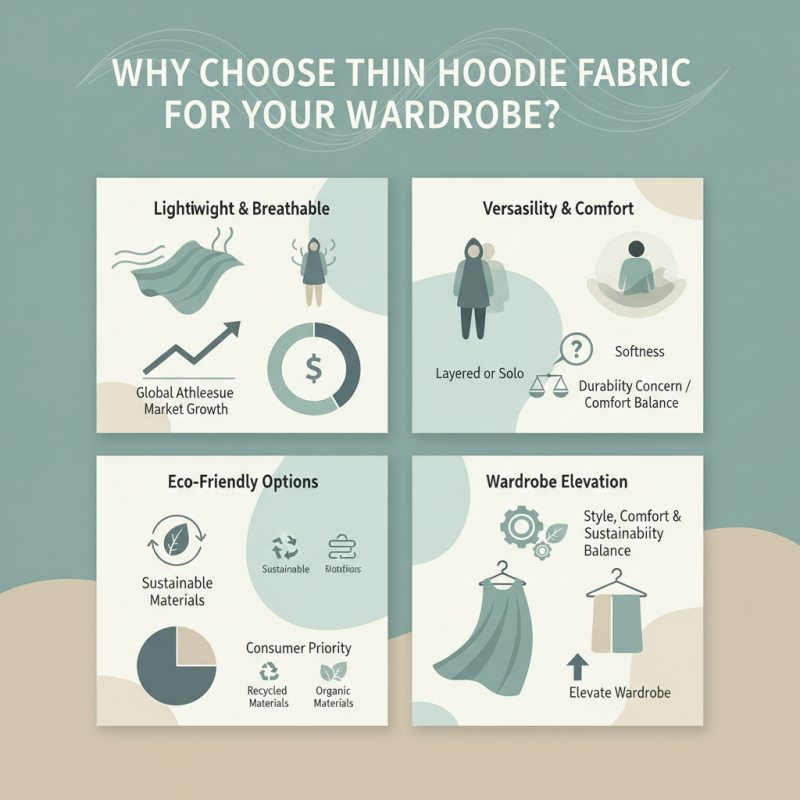
In recent years, the popularity of Thin Hoodie Fabric has surged. Many fashion enthusiasts appreciate its lightweight and breathable nature. According to a report by Research and Markets, the global athleisure market is projected to reach $550 billion by 2024. This highlights the growing demand for comfortable yet stylish clothing options.
Thin Hoodie Fabric stands out for its versatility. It can be layered easily or worn solo, making it a staple in many wardrobes. The fabric's softness enhances the wearing experience. However, some consumers express concerns about durability. A balance between comfort and longevity is crucial.
The fabric also offers eco-friendly options. Sustainable materials are gaining traction, with 40% of consumers prioritizing eco-conscious fashion choices. Thin Hoodie Fabric can cater to this demand by using recycled or organic materials. Balancing style, comfort, and sustainability presents challenges. Yet, it is a trend that reflects societal values. Embracing Thin Hoodie Fabric can elevate one's wardrobe while considering these aspects.
Benefits of Thin Hoodie Fabric for Comfortable Layering
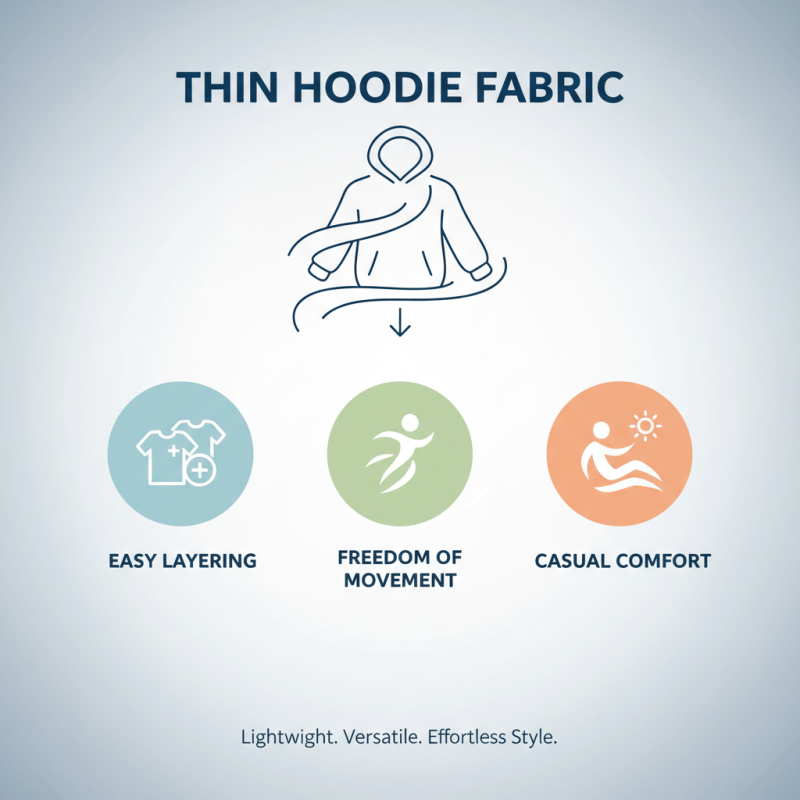
Thin hoodie fabric is a popular choice for layering. It adds comfort without creating bulk. The lightweight material drapes easily over shirts or tanks. You won't feel restricted during movement. This ease makes it great for casual outings.
One of the key benefits of thin hoodie fabric is breathability. When temperatures fluctuate, this fabric helps regulate your body heat. It keeps you cozy during chilly mornings or cool evenings. Yet, it doesn't overheat when the sun comes out. However, some may find that it lacks warmth on colder days.
Another appealing aspect is versatility. Thin hoodies can be dressed up or down. Pair it with jeans for a casual look or style it with a skirt for something dressier. However, the thinness might not suit everyone's taste. Some prefer a chunkier feel. Ultimately, the right fabric choice really depends on your personal style and comfort needs.
Versatility of Thin Hoodies in Various Fashion Styles
Thin hoodies are becoming a staple in modern wardrobes. Their lightweight fabric makes them ideal for layering. You can wear a thin hoodie over a t-shirt on a cool day. Alternatively, layer it under a jacket for added warmth. The breathability of the fabric provides comfort, which is essential for daily wear.
These versatile pieces fit various fashion styles. Pair a thin hoodie with jeans for a casual outing. You can dress it up with a skirt or tailored pants for a smarter look. Add accessories, like a scarf or a hat, to personalize your outfit. However, not every combination works. You may find some fits don’t match your style. Experimenting helps refine what works for you.
Embracing thin hoodies encourages creativity in fashion. They can be styled in countless ways, from sporty to chic. However, it’s crucial to reflect on your personal style and preferences. Rethink what you already have in your closet. Sometimes, mixing and matching leads to new discoveries. Don a thin hoodie and explore how it can elevate your wardrobe.
Breathability and Moisture-Wicking Properties of Thin Fabrics
When selecting a thin hoodie for your wardrobe, breathability and moisture-wicking properties are crucial. Thin fabrics often outperform thicker options in terms of air circulation. A study by the Textile Research Journal notes that fabrics with microfibers allow for 50% better airflow. This keeps you cool during hot days.
Moisture-wicking capabilities are another significant advantage. Research indicates that thin polyester blends can absorb up to 30% of their weight in moisture. This means less sweat on your skin. Staying dry not only enhances comfort but also reduces the risk of overheating. Imagine wearing a fabric that releases moisture as you sweat, rather than trapping it.
However, not all thin fabrics are created equal. Some may lose these beneficial properties after a few washes. This can lead to discomfort and irritation, making it essential to check fabric care instructions. Prioritize quality and durability. Choosing the right thin hoodie fabric may take time, but the benefits of staying cool and dry are worth the effort.
Why Choose Thin Hoodie Fabric for Your Wardrobe? - Breathability and Moisture-Wicking Properties of Thin Fabrics
| Fabric Type |
Breathability Rating |
Moisture-Wicking Ability |
Ideal Usage |
| Cotton Blend |
High |
Moderate |
Casual Wear |
| Polyester |
Very High |
Excellent |
Athletic Wear |
| Bamboo Fabric |
High |
Good |
Eco-Friendly Apparel |
| Rayon |
Moderate |
Moderate |
Layering |
| Nylon |
High |
Good |
Outdoor Activities |
How to Care for and Maintain Your Thin Hoodie Collection
Caring for your thin hoodie collection can be simple, yet it often gets overlooked. Thin hoodies, made from breathable materials, require special care to maintain their fit and texture. A recent report by the Textile Research Journal highlights that improper washing can reduce fabric lifespan by up to 30%. It’s crucial to always read labels before washing and drying.
When washing thin hoodies, use cold water. Hot water can lead to shrinkage and fading. Opt for a gentle cycle to preserve fabric integrity. Avoid fabric softeners, as they can create a residue that affects breathability. Instead, consider adding a cup of white vinegar to the rinse. This naturally softens the fabric without harmful chemicals.
Drying is another vital aspect. Air dry whenever possible. If you must use a dryer, opt for a low heat setting. High heat can warp fibers, leading to deterioration over time. According to a study by the American Apparel & Footwear Association, multiple high-heat cycles can significantly weaken the fabric. Paying attention to these details can ensure your thin hoodies remain stylish and functional for many wears.
Choosing the Right Thin Hoodie Fabric for Seasonal Changes
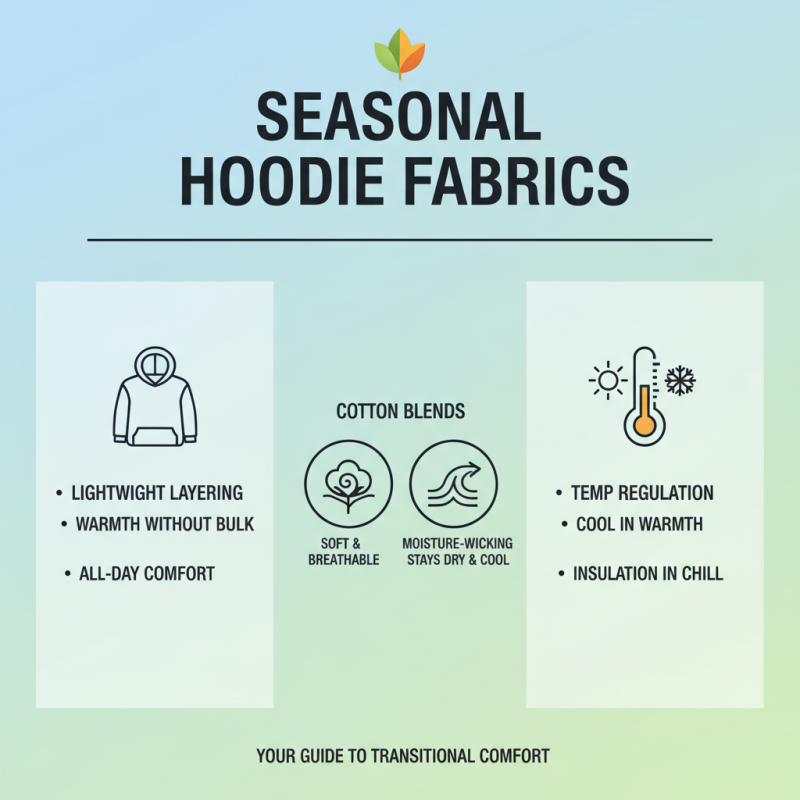
When seasons change, finding the right thin hoodie fabric can make a big difference. Lightweight materials are ideal for layering. They provide warmth without bulk, ensuring comfort throughout the day. Fabrics like cotton blends and moisture-wicking options are popular choices. These materials are breathable and keep you cool in warmer months while offering a bit of insulation when it gets chilly.
Tip: Always check the fabric weight before buying. A lighter fabric can be perfect for early fall or late spring. However, it may not retain heat in winter. Balance is key. Not every lightweight fabric is suitable for every season.
Another important aspect is the fabric's texture. A soft, smooth texture feels great against the skin. It should be comfortable for all-day wear. However, some fabrics may pill or wear down quickly. Investing in quality can save you from disappointment in the long run.
Tip: Don’t hesitate to mix and match textures. Pairing a thin hoodie with a structured layer can elevate your style. Experimentation is part of personal fashion. Finding the right combination makes each outfit unique.