Why Choose Weft-Knitted Fabric for Your Next Project?
When considering fabric options for your next project, weft-knitted fabric stands out. This innovative material has taken the textile industry by storm. Renowned textile expert Dr. Emily Harris emphasizes its advantages: “Weft-knitted fabric offers versatility and comfort unmatched by other textiles."
Weft-knitted fabric is not just about appearance. It provides excellent stretch and recovery, making it ideal for garments and activewear. Dr. Harris notes how it adapts to various body shapes effectively. However, it’s important to acknowledge the potential challenges. Choosing the right yarn and gauge is crucial to avoid issues like snagging or uneven textures.
Diving into weft-knitted fabric opens a world of possibilities. Yet, one must be mindful of its care requirements. Washing and maintenance can impact fabric longevity. Understanding these aspects is essential for a successful project. Embracing weft-knitted fabric means balancing its benefits and challenges thoughtfully.
Benefits of Weft-Knitted Fabric in Garment Construction
Weft-knitted fabric is a versatile choice for garment construction. It offers flexibility and comfort that many other fabrics cannot match. The loops in weft knitting create a natural stretch. This quality enhances body movement and makes garments more comfortable to wear.
Another significant benefit is the fabric's breathability. Weft-knitted fabrics allow air to circulate, making them ideal for warm weather. They dry quickly too, which can be beneficial for active wear. However, care is needed during washing, as this fabric can lose shape if not handled properly.
Durability is a key factor to consider. Weft-knitted fabrics are generally more resistant to fraying and tearing than woven fabrics. Yet, over time, they can pill, especially in high-friction areas. This aspect requires ongoing maintenance and careful selection of garments to ensure longevity. While weft knitting has many advantages, it may not be suitable for every project. It is essential to weigh these factors for a successful outcome.
Key Characteristics of Weft-Knitted Fabrics Explained
Weft-knitted fabrics possess unique characteristics that make them popular in various applications. These fabrics are created by inter-looping yarns, resulting in a flexible material with notable stretch. According to the Textile World report, the global market for knit fabrics is projected to grow by 6% annually, reflecting their versatility and demand.
One key feature of weft-knitted fabrics is their breathability. This property is essential for activewear and casual clothing. The interlacing pattern allows air circulation, offering comfort during physical activities. Additionally, these fabrics often display excellent shape retention. In a survey by the International Textile and Apparel Association, 75% of designers prefer weft-knitted fabric for projects that require durability.
However, it is important to consider the potential downsides. Weft-knitted fabrics may sag after prolonged use, especially if not properly maintained. Stretch can distort the fabric over time, leading to undesirable fits. Careful selection and regular washing can help mitigate these issues. Understanding the properties and limitations of weft-knitted fabrics is crucial for achieving the best results in your next project.
Why Choose Weft-Knitted Fabric for Your Next Project? - Key Characteristics of Weft-Knitted Fabrics Explained
| Characteristic |
Description |
Advantages |
| Stretchability |
Weft-knitted fabrics can stretch in width and length due to their loop structure. |
Ideal for comfortable garments and activewear. |
| Softness |
The knitting process creates a soft hand feel suitable for the skin. |
Perfect for t-shirts, underwear, and more. |
| Breathability |
The looped structure allows for air circulation. |
Great for warm-weather clothing. |
| Durability |
Weft knits are generally durable and can withstand wear and tear. |
Long-lasting fabrics for everyday use. |
| Versatility |
Can be made in various weights and thicknesses. |
Suitable for diverse applications from fashion to home textiles. |
Comparative Analysis: Weft-Knitted vs. Other Fabric Types
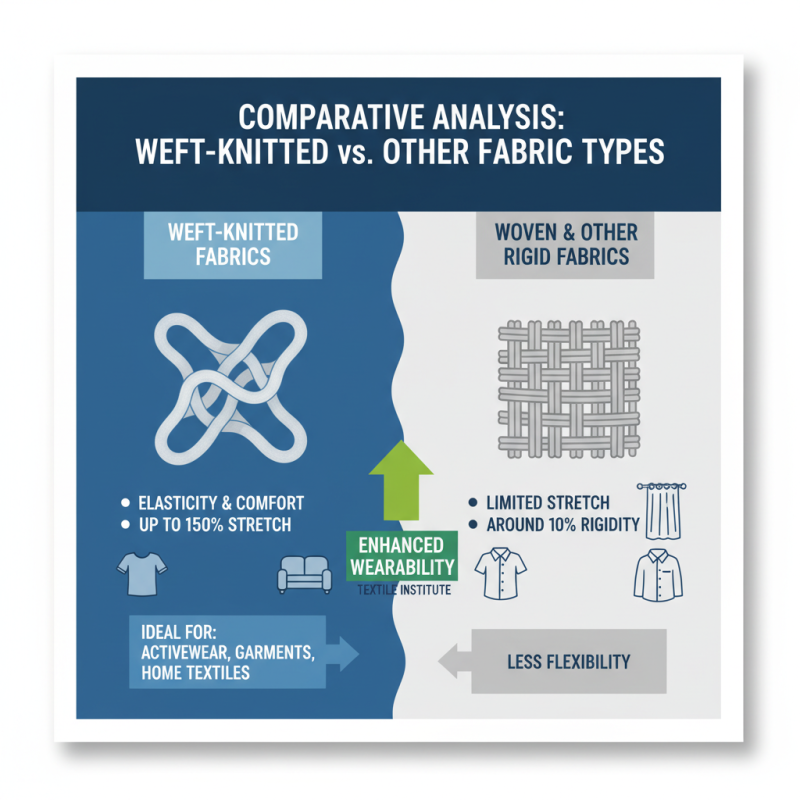
Weft-knitted fabrics emerge as an attractive option for various projects. These fabrics are recognized for their elasticity and comfort, making them ideal for garments and home textiles. According to the Textile Institute, weft-knitted fabrics provide a higher stretchability rate, often reaching 150% in comparison to woven fabrics, which typically offer a rigidity of only 10%. This flexibility can enhance wearability, especially in activewear and fitted garments.
However, the comparison doesn’t always favor weft-knitted fabrics. For example, woven fabrics excel in durability and resistance to wear and tear. Studies show that woven materials can withstand longer periods of use, largely due to their tighter construction. The choice between these fabric types depends on the end use. Often, projects requiring strong structural integrity might benefit more from woven options.
While weft-knitted fabrics offer distinct advantages, they can sometimes lead to pilling and snagging. This might not only affect aesthetics but also compromise fabric longevity. Designers should consider care instructions and potential maintenance issues when selecting weft-knitted fabrics. Balancing stretch and durability can be challenging, and careful thought must guide the fabric selection process.
Applications of Weft-Knitted Fabric in Various Industries
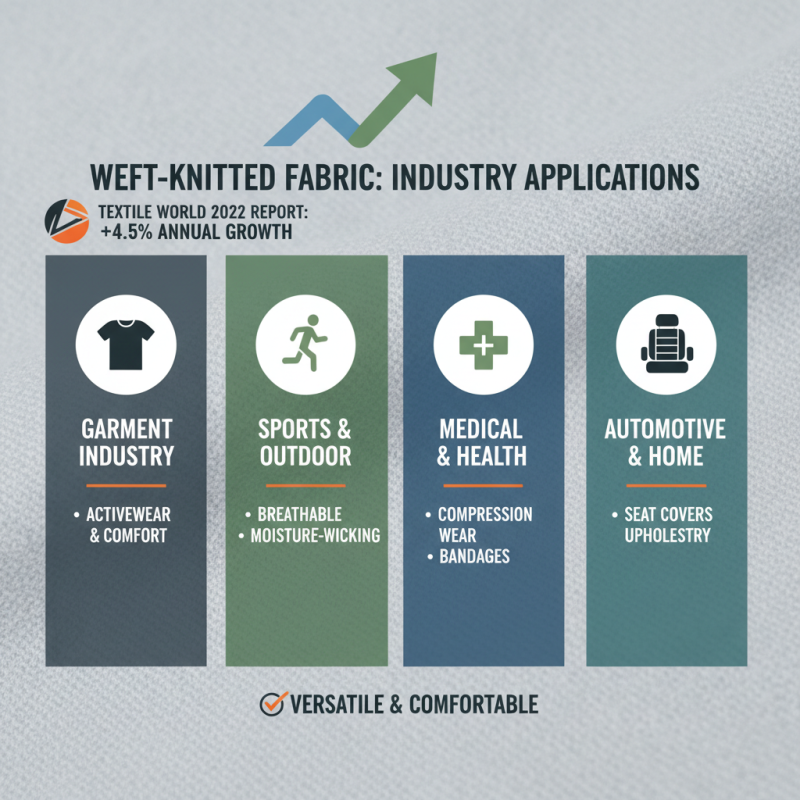
Weft-knitted fabric has gained significant traction across several industries due to its versatility and comfort. According to the Textile World 2022 report, the demand for knitted fabrics is expected to grow by 4.5% annually. This trend highlights the fabric's rising popularity, especially in the garment industry. Its lightweight and breathable nature makes it ideal for activewear, offering both flexibility and comfort.
In the automotive sector, weft-knitted fabrics are being integrated into upholstery for their durability and aesthetic appeal. A 2021 report by the International Journal of Automotive Technology revealed that around 25% of new vehicles now feature knitted textiles in their interiors. This shift demonstrates how the fabric’s adaptability is reshaping industry standards. However, challenges remain in maintaining consistent quality across large production runs.
Furthermore, the healthcare industry is increasingly utilizing weft-knitted fabric for protective clothing. Research published in Advanced Healthcare Materials indicates that knitted textiles offer enhanced moisture management and comfort, which are vital in medical settings. While these benefits are clear, ensuring the sterility and durability of these fabrics poses ongoing questions for manufacturers. The balance between innovative design and practical application continues to drive attention toward weft-knitted fabrics in various sectors.
Tips for Choosing the Right Weft-Knitted Fabric for Your Project
When embarking on a new project, the choice of fabric is crucial. Weft-knitted fabrics offer unique benefits. They provide excellent stretch and flexibility, making them ideal for various applications. Understanding how to choose the right weft-knitted fabric can significantly impact your project's outcome.
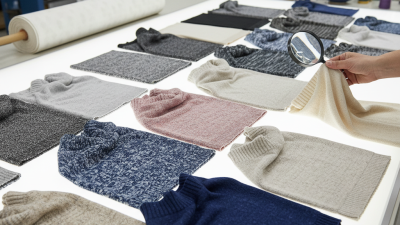
Consider the weight of the fabric. Lighter fabrics work well for clothing, while heavier options are better for upholstery. Test the fabric’s stretch by pulling a sample. Too much stretch can lead to a sagging product. Conversely, too little can restrict movement. Look for quality. A well-made fabric will have even stitches and minimal defects. Inspect the edges for fraying. This may indicate poor durability.
Think about the fabric's purpose. If you're crafting activewear, moisture-wicking properties are desirable. For home decor, colorfastness and durability matter. Reflect on the environment where the fabric will be used. Fabrics exposed to sunlight may fade quickly. Take the time to research different types of weft-knit options. Each has unique characteristics that might suit specific needs better than others. Be prepared to experiment with various samples. This approach will help ensure your project turns out exactly as envisioned.