How to Choose the Best Fashion Suit Fabric for Your Needs?
Choosing the right fashion suit fabric is crucial in today’s style-driven market. According to the latest report by Statista, the global menswear market is projected to reach over $500 billion by 2025. Fabric selection significantly influences quality and appearance. Different materials communicate various styles and levels of formality. For instance, wool is often prized for its durability and classic look, while linen is favored for its breathability in warmer climates.
Research indicates that up to 70% of consumers consider fabric quality when making purchase decisions. The choice of fashion suit fabric directly impacts comfort, fit, and overall presentation. Despite advancements in synthetic fabrics, many still perceive natural fibers as superior. This highlights a potential disconnect between innovative fabric technologies and consumer preferences.
Understanding these nuances is key to making an informed decision. The right fabric can elevate a suit from ordinary to exceptional. Yet, the challenge lies in balancing personal style with practical needs. With numerous options available, finding the perfect fashion suit fabric requires careful consideration and sometimes, a willingness to embrace trial and error.
Identifying the Purpose: Understanding the Occasion for the Suit
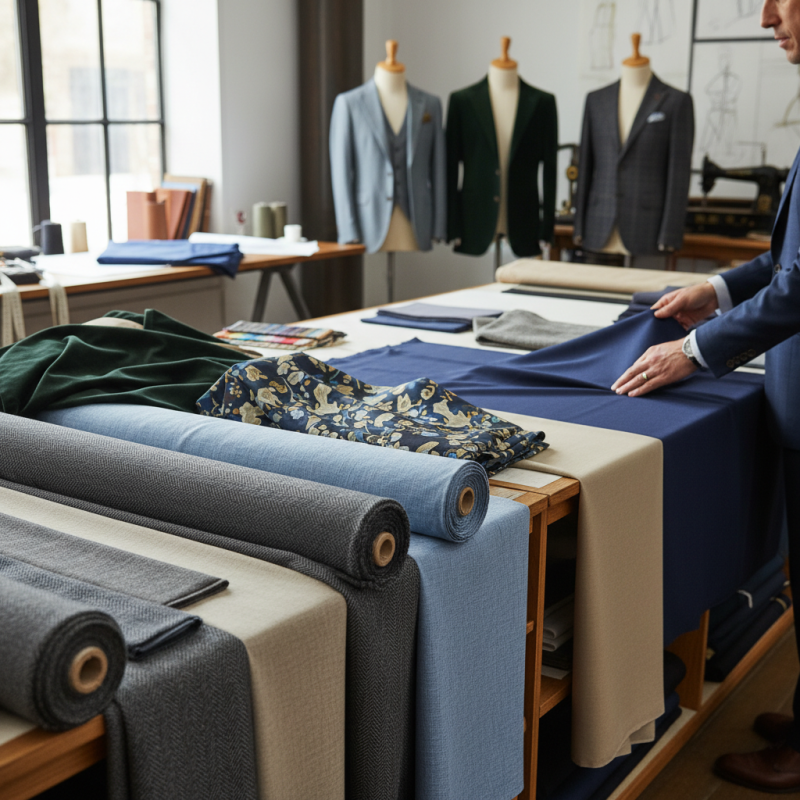
Choosing the right fabric for a suit starts with understanding the occasion. Each event calls for different styles and materials. For formal occasions, fabrics like wool or silk blend are excellent choices. They convey elegance and excellence. For a summer wedding, lightweight linen might be more appropriate. It’s breathable and keeps you cool.
Consider the setting as well. An outdoor event may suit a more relaxed fabric, while a corporate meeting demands professionalism. Cotton suits can work well for casual Fridays, but they may lack the structure required for formal presentations. Pay attention to the texture and drape of the fabric too—these elements significantly affect the overall look.
Reflect on your personal comfort as well. A fabric may look great but feel uncomfortable. Trust your instincts as you explore options. Don’t rush this decision. Consider trying on different types of suits in varied fabrics. This step will give you a better understanding of what works for you. Ultimately, the right fabric enhances your confidence and makes you feel good.
How to Choose the Best Fashion Suit Fabric for Your Needs? - Identifying the Purpose: Understanding the Occasion for the Suit
| Occasion |
Recommended Fabric |
Weight |
Characteristics |
| Business Meeting |
Wool |
Medium (250-350 g/m²) |
Durable, breathable, professional look |
| Wedding |
Silk |
Light (150-200 g/m²) |
Luxurious, soft, elegant drape |
| Casual Outing |
Cotton |
Lightweight (150-200 g/m²) |
Comfortable, breathable, versatile |
| Formal Event |
Linen |
Light to Medium (200-300 g/m²) |
Breathable, relaxed, slightly wrinkled appearance |
| Cold Weather |
Tweed |
Heavy (350-450 g/m²) |
Warm, textured, classic style |
Evaluating Fabric Types: Exploring Common Suit Fabrics and Their Qualities
When choosing a suit fabric, understanding the variety available is essential. Wool is a classic choice. It’s breathable and durable, making it ideal for many occasions. Lightweight wool suits are great for warmer climates, while heavier options are optimal for winter. Look for a fabric with a smooth finish for a polished look.
Linen, another popular fabric, is perfect for summer. It’s lightweight and absorbs moisture well, allowing for comfort in heat. However, linen creases easily, which may not suit everyone’s style. Cotton suits offer a casual alternative. They are easy to maintain and provide comfort, but they may lack the formality of wool or linen.
Consider silk blends for a touch of luxury. These fabrics add a sheen but can be less durable. The key is to assess your lifestyle and needs. Reflect on how often you will wear the suit. Will it be for work, weddings, or social events? Each fabric has its unique qualities, and personal preference plays a significant role. A thoughtful approach ensures you choose wisely.
Assessing Comfort: Choosing Fabrics Based on Season and Wearability
When choosing a suit fabric, comfort is paramount. Different fabrics offer distinct textures and breathability, influencing how you feel throughout the day. According to a report from the Fashion Institute, 75% of consumers prioritize comfort in their clothing choices. This statistic reflects the significant demand for fabrics that accommodate various temperatures and activities.
Seasonality plays a crucial role in fabric selection. For warmer weather, lightweight fabrics like linen or cotton are advisable. They allow airflow, keeping you cool. In contrast, wool suits excel in colder months, providing insulation. Research indicates that wool can regulate body temperature efficiently, making it a popular choice for year-round wear. However, one must consider the fabric's durability and how it wears over time. The American Textile Manufacturers Institute states that fabrics lose quality after repeated use; hence, understanding wearability is essential.
Additionally, the visual appeal and care requirements of fabrics can’t be overlooked. Synthetic blends may provide vibrant colors and easy maintenance, but they might lack natural comfort. This complexity calls for thoughtful consideration of personal needs and lifestyle. A fabric that looks good may not always feel good. Therefore, assessing comfort based on seasonal wearability is not just a choice; it’s an evolving conversation about personal style and practicality.
Fabric Comfort Assessment for Fashion Suits
Considering Durability: Evaluating Fabric Strength and Maintenance Requirements
When selecting a fashion suit fabric, durability is critical. The strength of the fabric determines how well it withstands wear and tear. According to a recent survey by the Textile World Association, roughly 70% of fabric failures arise from improper handling and maintenance. This statistic highlights the importance of understanding fabric care.
Different fabric types come with distinct strength and maintenance requirements. Wool, for instance, is known for its natural resilience. It can last longer with proper care. Cotton, while comfortable, tends to wear out faster, especially when exposed to harsh cleaning processes. It can lose shape and strength after repeated washes. A report from the Fabric Care Institute indicates that around 40% of consumers neglect basic fabric care instructions, leading to premature wear.
Lightweight fabrics, like linen, are delicate. They require careful handling. Over-washing can result in fading and weakening. Meanwhile, synthetic fabrics—such as polyester—offer greater durability but can be less breathable. This can be a drawback in warmer climates. Understanding these aspects helps tailor choices to personal needs and environmental factors, making fabric selection a more mindful process.
Identifying Your Style: Matching Fabric Choices with Personal Aesthetic Preferences
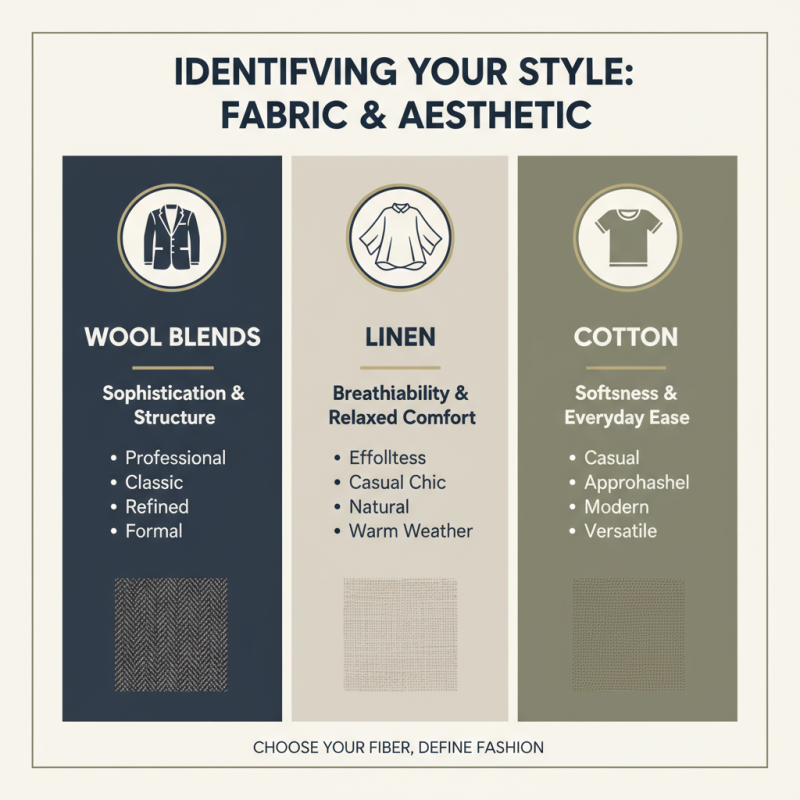
Choosing the right fabric for a fashion suit is crucial. It reflects personal style and comfort. Different materials have unique qualities and aesthetics. Wool blends exude sophistication, while linen offers breathability. Cotton provides a casual touch, perfect for relaxed suits.
When identifying your style, consider your lifestyle and preferences. A recent survey highlighted that 72% of consumers prioritize comfort in their clothing choices. Take time to evaluate what resonates with you. Is it a classic look or a modern twist? Choosing the right color and texture enhances your overall appearance.
Tips: Think about versatility. Fabrics like wool can transition from day to night easily. Also, don’t shy away from experimenting with patterns. Stripes or checks can add character to an otherwise simple suit. Reflect on how you want to be perceived. Your fabric choice can convey confidence, professionalism, or creativity.