How to Choose the Best Men's Knitted Fabric for Your Wardrobe?
When it comes to style and comfort, choosing the right men's knitted fabric is essential. According to a recent report from the Textile and Apparel Research Institute, the global demand for knitted fabrics is expected to grow by 4% annually. This highlights the rise in popularity of men's knitted garments.
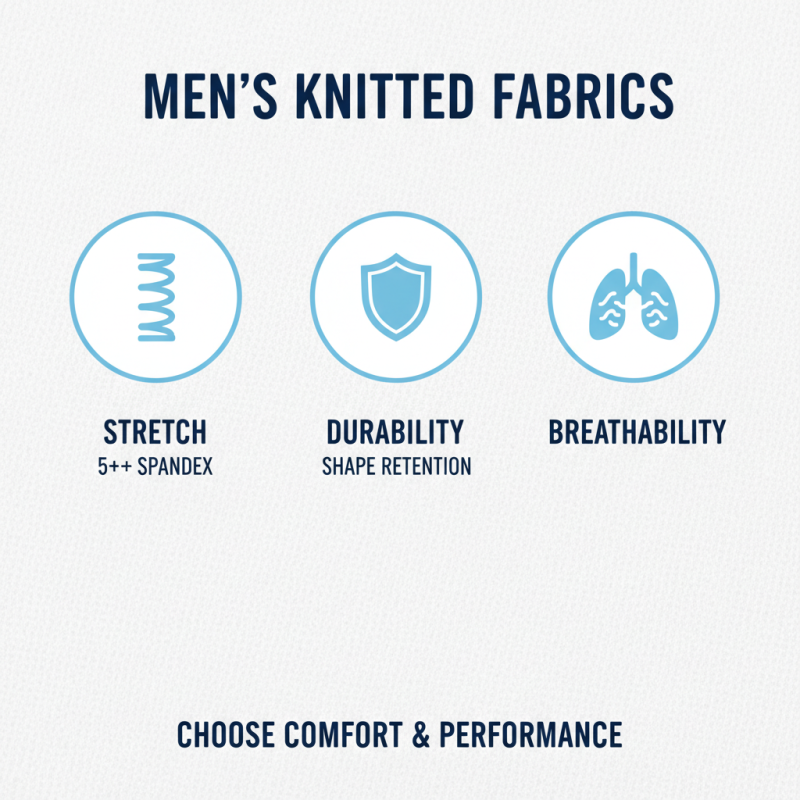
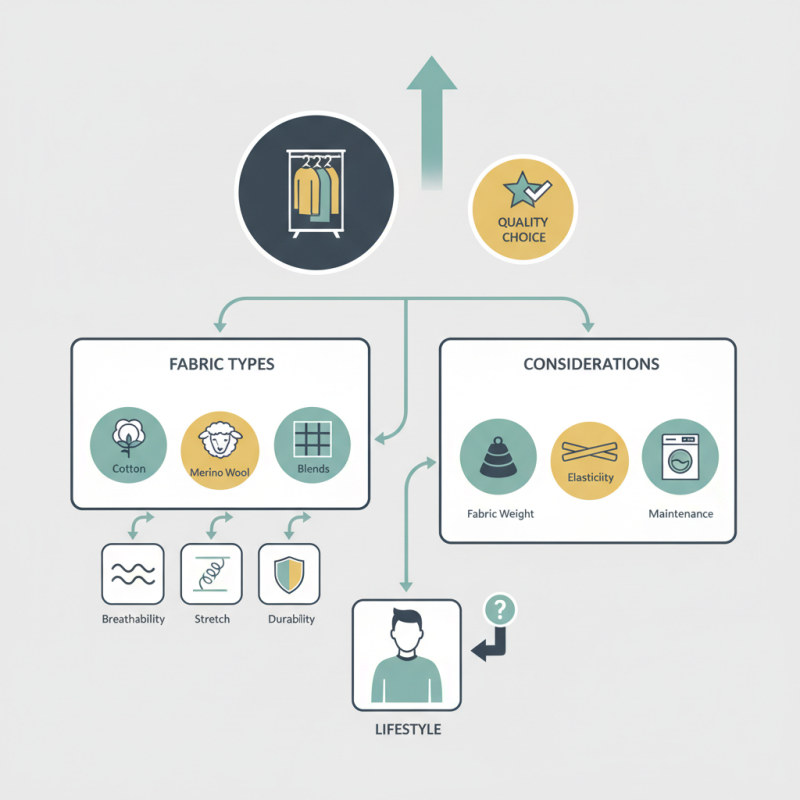
Men's knitted fabric offers various options, from lightweight cotton to luxurious merino wool. Each type has unique qualities that affect breathability, stretch, and durability. For instance, cotton is soft and breathable, while wool provides warmth and moisture-wicking properties. Understanding these differences helps tailor your wardrobe to your lifestyle.
Shoppers often struggle with the overwhelming variety of knitted materials. Some may overlook important factors like fabric weight, elasticity, and maintenance. These details significantly influence comfort and longevity. Investing in quality knitted fabrics can elevate any outfit, reflecting personal style while offering versatility. Consider what truly suits your needs before making a choice.
Understanding Different Types of Knitted Fabrics for Men’s Clothing
When it comes to knitted fabrics for men’s clothing, understanding the various types is essential. Cotton knits are versatile and breathable. They’re perfect for casual wear and everyday comfort. Reports reveal that cotton accounts for about 60% of knitted fabric usage in men’s apparel, highlighting its popularity. Wool knits, on the other hand, offer warmth and elegance. They’re excellent for cooler climates, making them a staple in fall and winter wardrobes.
Another fabric worth considering is polyester. Known for its durability and easy maintenance, it often comprises around 25% of the market. However, polyester can lack breathability, contributing to discomfort in warmer conditions. It’s a trade-off, as some men may prefer low-maintenance options. Blends, like cotton-polyester, combine comfort and durability. These fabrics can be practical choices for various occasions.
It’s vital to reflect on personal needs while choosing knitted fabrics. Some men might overlook how fabric affects fit and drape. A thicker wool knit might provide structure but can restrict movement. Understanding these nuances helps make informed decisions. Knitted fabrics impact not just style but also comfort, durability, and overall satisfaction in a wardrobe.
How to Choose the Best Men's Knitted Fabric for Your Wardrobe?
| Fabric Type |
Characteristics |
Best Use |
Care Instructions |
| Cotton Knit |
Soft, breathable, and comfortable |
Casual wear, t-shirts |
Machine wash, tumble dry low |
| Wool Knit |
Warm, elastic, and moisture-wicking |
Sweaters, cold weather gear |
Hand wash or dry clean |
| Acrylic Knit |
Lightweight, warm, and resistant to moths |
Fashion sweaters, accessories |
Machine wash, dry flat |
| Polyester Knit |
Durable, quick-drying, and wrinkle-resistant |
Athletic wear, casual tops |
Machine wash, tumble dry |
| Blended Knit |
Combination of fibers for enhanced properties |
Versatile clothing items |
Follow specific fiber content care |
Choosing the Right Color and Texture for Your Personal Style
When selecting knitted fabric for your wardrobe,
color matters.
Bright colors can make a statement. They can elevate your outfit and reflect your personality.
Darker shades, on the other hand, offer versatility. They often work well for formal occasions.
Consider how often you will wear a particular color before making a choice.
Texture plays an equally important role. Some fabrics are soft and cozy, perfect for chilly days.
Others might feel rougher, which could be less comfortable. Pay attention to how the material feels against your skin.
Sometimes, we buy based on trends, but forget about comfort. Mixing textures within your outfit can create depth.
A chunky knitted sweater paired with smooth pants creates an interesting visual contrast.
Ultimately, finding the right combination of color and
texture can be a challenge. It's easy to stick to what you know.
However, experimenting could lead to a refreshing style evolution.
Reflect on your past choices; which colors and textures have truly worked for you?
Embrace this journey of self-expression.
Assessing Fabric Care Instructions for Longevity and Maintenance
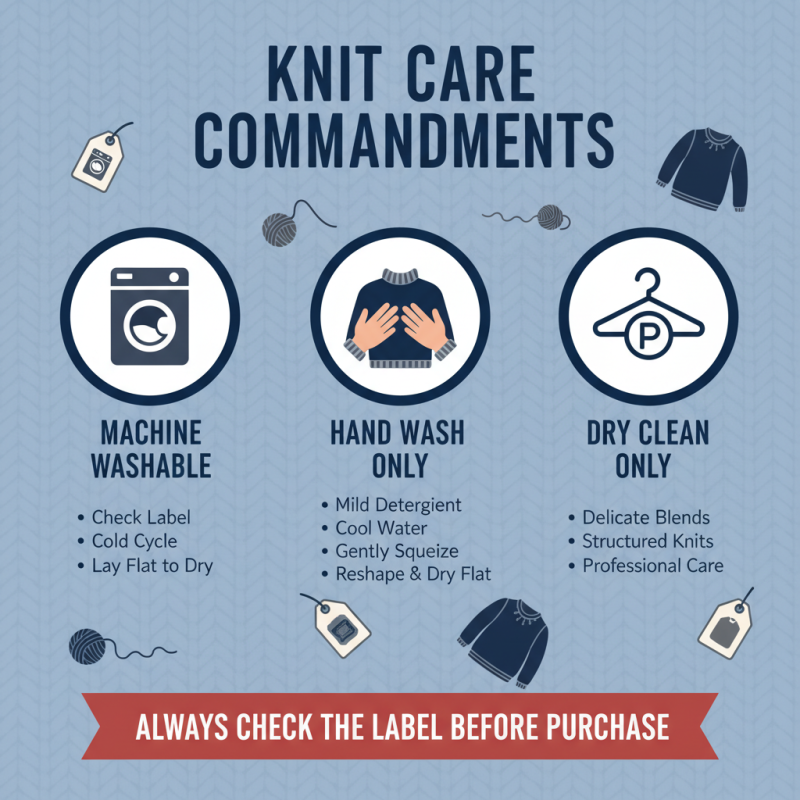
When selecting men's knitted fabric, care instructions are crucial for the fabric's longevity. Fabrics vary in their maintenance needs, and understanding these can make a significant difference. For instance, some knits can be machine-washed, but others require hand washing or dry cleaning. Always check the label before purchase.
Tips: Look for fabrics labeled as "washable." This may save time and effort in the long haul. Also, consider the fabric's pilling tendency. Certain fibers tend to pill more than others, which affects the fabric's appearance over time.
Remember, not all fabrics age gracefully. Some may lose their elasticity or shape after repeated washes. Keep an eye on care recommendations. Using the wrong detergent can lead to color fading. Also, avoid high heat when drying. Instead, opt for air drying to maintain the integrity of your knitted pieces.
Considering Seasonal Appropriateness for Knitted Fabrics in Fashion
When choosing knitted fabrics, consider the seasons. Each season brings different needs for warmth and breathability. In fall, thicker knits add comfort against the chill. Materials like wool or cashmere work well for this time. They provide warmth without being overly bulky, perfect for layering.
In contrast, spring and summer call for lighter fabrics. Cotton and linen blends are breathable and cool. These options allow for easy movement and comfort in warmer weather. However, they may lack the structure found in heavier knits. It’s essential to balance comfort with style.
Take a moment to reflect on your wardrobe. Are you prepared for summer's heat? Or do you often find yourself in bulky knits, even in mild weather? Adjusting your knitted fabric choices can enhance your wardrobe's versatility. Consider what you truly need for each season. Don’t rush the process.
Texture Preferences of Men's Knitted Fabrics Across Seasons
This chart illustrates the preference levels for different types of men's knitted fabrics throughout the four seasons, highlighting how styles may need to change based on seasonal demands.