How to Choose the Best Thick Suit Fabric for Comfort and Style
Choosing the best thick suit fabric is essential for those who want to balance both comfort and style in their wardrobe. According to renowned textile expert Dr. Sarah Kensington, "The right fabric can transform not only the look of a suit but also how it feels on the body, allowing individual expression without sacrificing comfort." As colder seasons approach, the demand for thick suit fabrics rises, and understanding which materials best serve one's needs becomes paramount.
Thick suit fabrics, such as wool, tweed, and flannel, are not only durable but also provide insulation, making them ideal choices for a stylish yet warm outfit. Dr. Kensington emphasizes that "the texture and weight of thick suit fabrics can dramatically enhance the visual appeal of a suit, while also catering to the practicalities of everyday wear." As we delve into the intricacies of selecting the perfect thick suit fabric, we will explore key factors like breathability, drape, and overall aesthetic, ultimately guiding you toward making an informed choice that aligns with your personal style and comfort preferences.
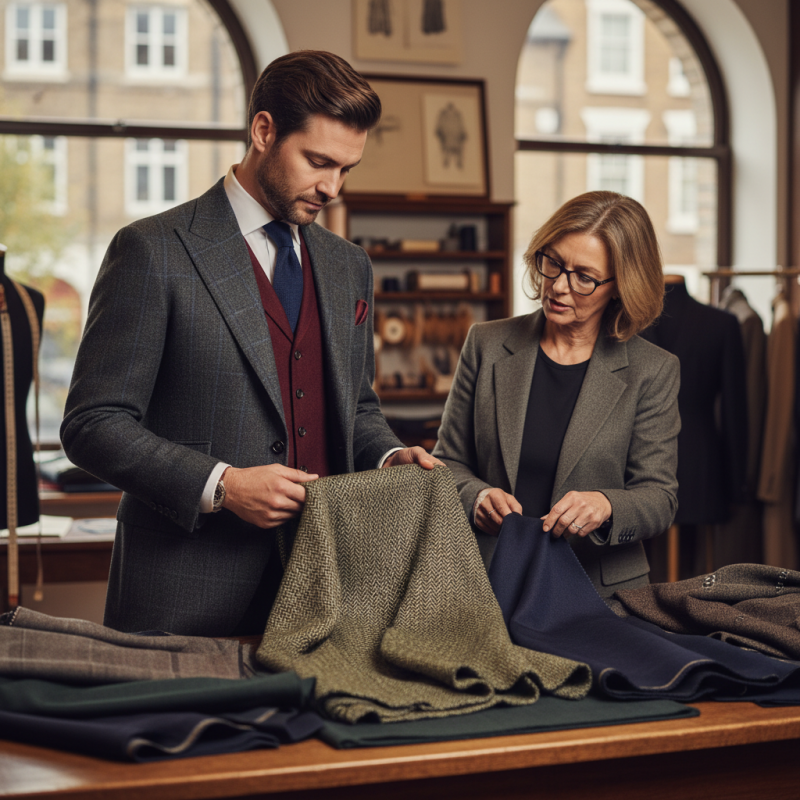
Choosing the Right Fabric Weight for Seasonal Comfort and Style
When selecting a thick suit fabric for both comfort and style, the weight of the fabric plays a crucial role in ensuring seasonal adaptability. Heavier fabrics like wool provide excellent insulation during colder months, while lighter options can be more breathable and comfortable in warmer climates. Understanding the weight of fabric is essential; for instance, a weight of 300-400 grams per meter is ideal for winter suits, whereas 200-300 grams is more suited for summer wear.
Tips: Always consider the climate in which you will be wearing the suit. If you live in a place with fluctuating seasons, versatile fabrics such as medium-weight wool can serve you well year-round. Additionally, pay attention to fabric blends; incorporating lighter materials can enhance breathability without sacrificing warmth or structure.
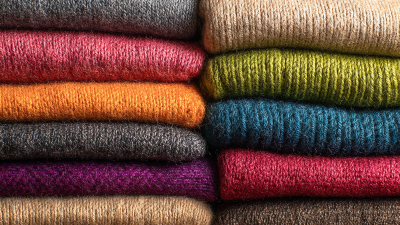
Furthermore, the weave and texture of the fabric can influence how thick it feels. Opting for a twill weave can offer durability and a polished look, while a flannel finish adds a softer touch for casual occasions. By carefully considering fabric weight and type, you can choose a thick suit that harmonizes comfort and style, ensuring you look and feel your best regardless of the season.
How to Choose the Best Thick Suit Fabric for Comfort and Style
| Fabric Type |
Weight (grams/m²) |
Season Suitability |
Comfort Level |
Style Factor |
| Wool |
300-400 |
Fall/Winter |
High |
Classic |
| Tweed |
400-500 |
Fall/Winter |
Very High |
Elegant |
| Cashmere |
300-350 |
Fall/Winter |
Excellent |
Luxurious |
| Velvet |
300-400 |
Fall/Winter |
Moderate |
Very Stylish |
| Cotton Canvas |
150-250 |
Spring/Summer |
Good |
Casual |
| Linen Blend |
200-300 |
Spring/Summer |
High |
Modern |
Understanding Different Suit Fabrics: Wool, Cashmere, and Blends
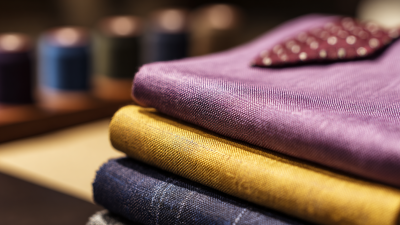
When selecting a thick suit fabric, understanding the key materials is essential for balancing comfort and style. Wool is one of the most common choices, celebrated for its natural insulating properties and breathability. This fabric boasts the ability to regulate temperature, keeping you warm in cooler weather while still allowing for airflow. Moreover, wool's natural elasticity ensures that it retains its shape well, providing a tailored fit that enhances both comfort and appearance. Additionally, it is water-resistant to some extent, making it a practical choice for a variety of occasions.
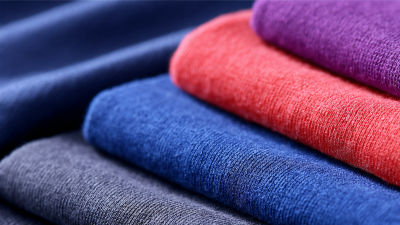
Cashmere, on the other hand, offers a luxurious alternative that elevates the feel of any suit. Known for its softness and warmth, cashmere provides a decadent wearing experience while being lightweight compared to traditional wool. This fabric, sourced from the soft undercoat of cashmere goats, is not only stylish but also remarkably comfortable against the skin. While cashmere can be less durable than wool, its unique properties make it a favored option for colder climates, adding a sophisticated touch to any thick suit ensemble.
Blended fabrics combine the strengths of different materials, creating versatile options that cater to specific preferences. A blend of wool and synthetic fibers, for example, can enhance durability and wrinkle resistance while maintaining a soft drape. These fabrics often come in various finishes and weights, allowing for flexibility in style and functionality. Understanding the properties of wool, cashmere, and blends empowers you to choose the best thick suit fabric that offers both comfort and a polished look.
Fabric Comparison for Comfort and Style
Evaluating Fabric Weaves: Twill, Herringbone, and Gabardine Explained
When selecting the ideal thick suit fabric, understanding different weaves such as
twill, herringbone, and
gabardine can significantly impact both comfort and style.
Twill weave is characterized by its diagonal pattern, providing durability and a smooth finish. According to a fabric analysis by the
Textile Institute, twill fabrics tend to be more resistant to creasing, making them a popular
choice for those looking to maintain a polished appearance throughout the day. The weighted density of twill often lends itself
well to cooler temperatures, offering warmth without sacrificing breathability.
Herringbone, on the other hand, features a distinctive V-shaped pattern that adds texture and depth to a suit.
The unique construction of herringbone fabric allows for greater air circulation, making it a comfortable option
for warmer climates while still maintaining a classic aesthetic. A report from the International Textile
Manufacturers Federation highlights that herringbone fabrics have gained traction in professional attire,
emphasizing their versatility and refinement in style without compromising on comfort.
Gabardine is known for its tightly-twisted yarns and smooth finish, creating a fabric that resists
water and wrinkles effectively. Its blend of cotton, wool, and synthetic fibers often results in a supple drape,
making it an excellent choice for tailored suits. Research conducted by the Fashion and Textile Technology Journal points out
that gabardine suits are preferred by professionals who seek a sophisticated look while enjoying practical benefits
such as easy maintenance and durability, underscoring its relevance in modern tailoring.
The Importance of Breathability: Natural vs. Synthetic Fibers
When it comes to choosing the best thick suit fabric, breathability is a crucial factor that can significantly impact comfort and style. Natural fibers such as wool and cotton are renowned for their moisture-wicking abilities and airflow, making them ideal choices for tailored suits. According to the Textile Research Journal, fabrics like wool can absorb moisture up to 30% of their weight without feeling damp, which helps regulate body temperature, especially in varying climates. On the other hand, synthetic fibers like polyester may lack this breathability and can retain heat, which might lead to discomfort during extended wear.
Tips for maintaining breathability include opting for suits made from high-quality natural fibers, as they allow for better airflow and moisture management. Look for fabrics that are labeled with a blend of natural and synthetic fibers to combine durability and comfort effectively. Furthermore, consider the fabric's weight; medium to lightweight materials can enhance breathability while still providing a sophisticated appearance.
In the context of style, choosing breathable fabrics does not mean compromising on aesthetics. A well-tailored suit made from breathable material retains its shape and conforms nicely to the body, providing both comfort and a polished look. The right fabric choice can elevate your wardrobe while ensuring you feel great throughout the day, making it essential to prioritize breathability in your selection process.
Assessing Color and Pattern Selection for Style and Versatility
When selecting a thick suit fabric, color and pattern play a critical role in defining both style and versatility. A well-chosen color can significantly impact the overall aesthetic, elevating the suit from basic to exceptional.
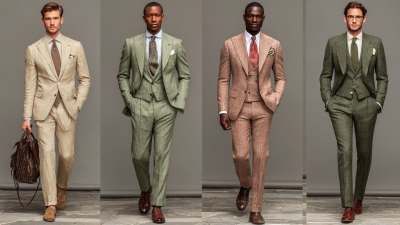
Neutral tones, such as navy, charcoal, and beige, offer timeless elegance and can easily transition from formal occasions to casual outings. Conversely, opting for bolder colors allows for unique expression and can make a powerful statement, perfect for those who desire to stand out. Understanding the color palette that aligns with one's personal style or complements skin tones can enhance the wearability of the suit.
Patterns, on the other hand, provide an additional layer of style to thick suit fabrics. Classic patterns like houndstooth or pinstripes add sophistication, while checks and plaids introduce a contemporary flair. These designs can offer visual interest without overwhelming the overall look.
When considering versatility, choosing a subtle pattern enables the suit to pair well with various shirts and accessories, ensuring it remains adaptable for numerous settings. By carefully assessing the interplay between color and pattern, one can choose a thick suit fabric that not only prioritizes comfort but also embodies a stylish and versatile wardrobe essential.