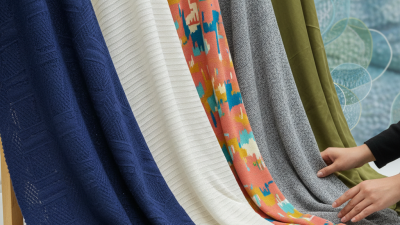
Choosing the best Wool Knitted Fabric starts with how you plan to wear and care for it. A soft swatch can feel appealing under bright showroom lights, yet behave differently after hours of wear. Check the fabric’s weight, knit structure, wool content, and recovery after gentle stretching. These details help reveal whether it suits a warm sweater, a breathable layer, or a durable everyday garment.
Textile researcher Dr. Subramanian Senthilkannan Muthu has studied textile performance and sustainability. A useful editorial paraphrase of a performance-focused approach is: “Judge a fabric by how it performs in use, not by its label alone.” This is a guiding principle, not a verified verbatim quotation. For a closer inspection, rub the swatch lightly between your fingers. Look for loose loops, uneven thickness, and a surface that pills easily. Then check the care instructions; delicate wool knits may need gentler washing than expected.
No single fabric suits every project. A fine merino knit may feel smooth against the skin, while a heavier wool blend can hold its shape better. Even so, fiber labels do not tell the whole story. The knitting method and finishing matter, too. Some choices are imperfect; a sample may not predict years of wear. Comparing swatches and asking suppliers specific questions can still reduce guesswork. This guide will help you weigh comfort, durability, appearance, and care before choosing.
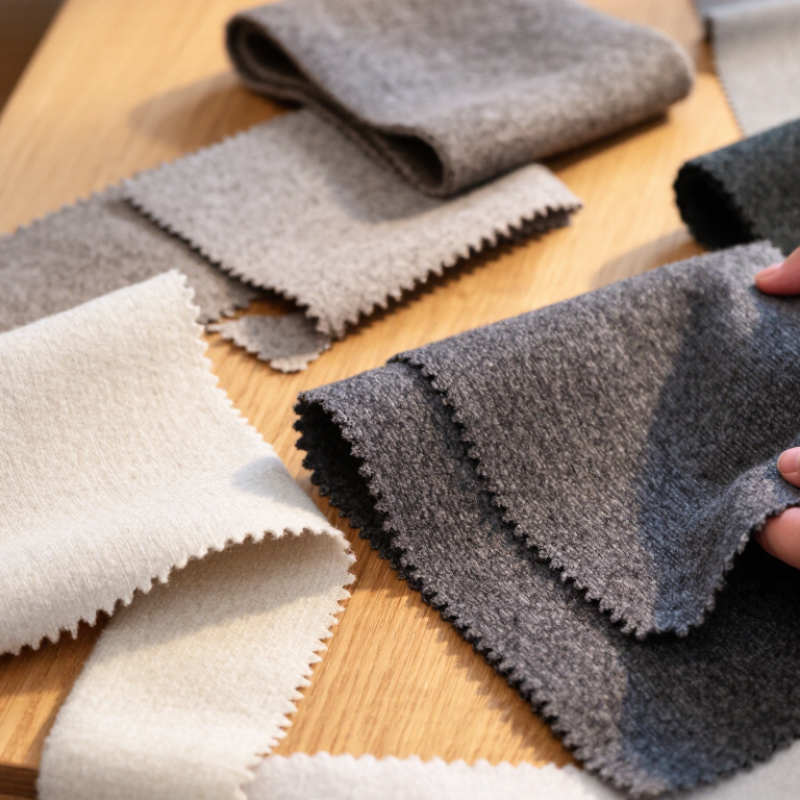
Wool knitted fabric is made by interlocking yarn loops rather than crossing yarns at right angles, as in woven cloth. This looped structure usually gives the fabric natural stretch, softness, and warmth. The exact feel depends on the wool fiber, yarn, stitch, and finishing. A fine, smooth knit can sit close to the skin, while a bulky one traps more air.
Jersey is a common single-knit type, with a smooth face and a slightly textured back. Its edges may curl, so it is often used for lightweight tops. Rib knit has raised vertical channels and stretches readily; cuffs and close-fitting garments often use it. Interlock is a thicker double knit with a steadier shape. Cable knit adds raised, rope-like patterns for texture and extra visual depth. Feel the difference. Boiled wool starts as knitted fabric, then is deliberately shrunk and fulled into a dense, warm material.
The categories are not always tidy: finishing can change a knit’s surface and drape considerably. When comparing fabrics, check the label for fiber content, then examine the weight, stitch density, and recovery after a gentle stretch. A small swatch helps. Wool can feel soft in one finish and scratchy in another, so fiber names alone do not predict comfort.
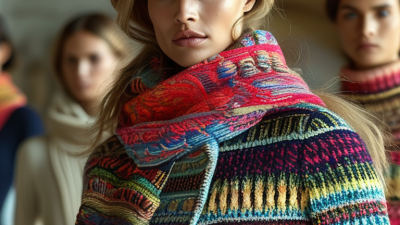
Before choosing wool knitted fabric, define where it will be worn and how often. A lightweight merino jersey may suit a base layer. A dense rib knit can hold its shape in cuffs or fitted garments. For a scarf, softness against the neck may matter more than sharp recovery. For an everyday sweater, consider abrasion at the elbows and resistance to pilling. Fit matters.
Wool can absorb moisture vapor, but a thick knit may still feel heavy when damp. Consider the climate and how quickly the garment needs to dry. For active layers, assess weight, breathability, and stretch together rather than judging warmth alone. Stitch structure also changes performance: tighter stitches often resist snagging better, while looser knits tend to allow more airflow and drape. Care does too.
Some wool knits tolerate gentle machine washing, while others may shrink or felt. Follow the care instructions, and test a hidden swatch when possible. I would not choose by softness alone; it is an easy mistake. Check seams, cuffs, and other stress points, not just the fabric’s soft hand. Stretch a sample and let it rest. If it stays distorted, reconsider whether that fabric suits the garment.
| Intended Use | Common Knit Structure | Typical Fabric Weight | Performance Needs | Useful Selection Guidance | Care Considerations |
|---|---|---|---|---|---|
| Lightweight base layers | Fine-gauge jersey or interlock | Approximately 120–200 g/m² | Soft hand, breathability, moisture management, low bulk, and comfortable stretch | Choose a fine, even knit with suitable next-to-skin softness. Merino wool is often selected for base layers because fine fibers can feel smoother against the skin than coarser wool. | Follow the care label. Use a wool-specific wash cycle or hand-wash when recommended; avoid high heat and harsh agitation. |
| Everyday sweaters and cardigans | Jersey, rib, or interlock | Approximately 200–400 g/m² | Warmth, shape retention, abrasion resistance, and a balance of comfort and durability | Check recovery after gentle stretching, seam stability, and the fabric’s tendency to pill. A denser knit may offer more structure, while a looser knit often feels lighter and drapes more. | Wool knits can stretch when wet. Dry flat when the care instructions call for it, and store folded rather than hanging heavy garments. |
| Warm mid-layers | Fleece-style knit, double knit, or brushed jersey | Approximately 250–450 g/m² | Insulation, air trapping, comfortable layering, and resistance to everyday wear | Assess fabric thickness and surface finish alongside weight. A brushed or lofted surface can increase warmth, but may require extra attention to pilling and snagging. | Limit friction during washing and wear where possible. Use a gentle cycle if permitted by the care label. |
| Socks and close-fitting accessories | Rib knit or plated knit | Varies by product; commonly about 150–350 g/m² | Stretch and recovery, cushioning, abrasion resistance, and fit retention | Look for appropriate elasticity and reinforced high-wear zones. Wool is often blended with other fibers in socks to help improve durability and fit, depending on the design. | Check whether the item is machine washable. Avoid excessive heat, which can shrink or felt wool under unsuitable washing conditions. |
| Baby and children’s garments | Soft jersey, interlock, or lightweight rib | Approximately 150–300 g/m² | Softness, breathable comfort, low irritation, and easy-care performance | Prioritize a smooth surface and suitable fiber fineness. Check garment construction for secure seams and avoid selecting by fiber content alone; fabric feel and finishing also matter. | Use the care method specified on the label. Test for colorfastness and inspect regularly for wear or loose components. |
| Structured knitwear and outer layers | Dense double knit, Milano-style knit, or compact rib | Approximately 300–600 g/m² | Dimensional stability, coverage, structure, warmth, and resistance to distortion | Evaluate thickness, density, drape, and recovery together. A compact structure generally provides more coverage than a loose knit, but finished performance depends on yarn and construction. | Support the garment while handling it when damp, and follow the care label to reduce the risk of stretching or shrinkage. |
| Weight ranges are indicative examples, not fixed specifications. Actual suitability depends on yarn, fiber fineness, knit construction, finishing, garment design, and care requirements. Confirm performance with a sample and relevant tests before production. | |||||
Choosing wool starts with the fiber, but the knit structure and fabric weight change how it performs. Fine merino usually feels smoother against skin; coarser wool can feel firmer and add warmth. Textile Exchange’s Materials Market Report 2024 estimates global fiber production reached 124 million tonnes in 2023, with wool accounting for about 1%. Wool is a small share, so compare specifications carefully rather than relying on fiber names alone.
Look closely at the stitches. Jersey drapes easily but may curl at the edges. Rib knits stretch across the body, while interlock feels denser and steadier. Cable stitches add texture and trap air, but they also add bulk. Fabric weight, measured in grams per square metre, helps compare options; the right number depends on the garment and season. IWTO market reporting distinguishes greasy wool from clean wool, a useful reminder to check what a supplier’s figures actually measure. That detail is easy to miss. I still find weight alone a poor shortcut: a heavy, open knit can feel less warm than a lighter, compact one. Touch the swatch, stretch it gently, and check its recovery.
Check the yarn, knit structure, and finishing, not just the fiber label. A dense, even knit usually holds its shape better than loose loops, but it may feel warmer and heavier. Look closely for dropped stitches, fuzzy patches, and uneven thickness. Touch matters. Softness can mislead; a smooth finish may come from processing, not finer wool. If possible, stretch a swatch gently and see whether it recovers.
Comfort depends on where and when you will wear the fabric. Fine wool often feels gentler against skin, while a textured knit may suit outer layers better. Textile Exchange’s Materials Market Report 2024 estimates that global fiber production reached 124 million tonnes in 2023, with wool accounting for roughly 1%. That small share alone does not prove a fabric is sustainable. Ask about fiber origin, recycled content, dyeing, and supply-chain traceability. Claims need evidence.
Care can make or break a good knit. Check the care instructions before buying; some wool garments need hand washing or careful machine cycles, while others require dry cleaning. Heat and vigorous agitation can cause shrinkage or felting. Air the garment between wears, and dry it flat to help preserve its shape. I still find care labels easy to overlook when a fabric feels lovely in the shop. A small swatch test can reveal more than a quick touch.
Choosing wool knitted fabric starts with the demands of your project. A soft, airy knit may work well for a scarf, while a denser fabric can better support a fitted cardigan. Check the fiber content, but look beyond the label: yarn thickness, stitch structure, and finishing all affect warmth, drape, and stretch. Request a swatch that matches the fabric’s weight and finish. A label helps, but it cannot show how the cloth behaves in your hands.
Verify the swatch before ordering. Hold it against a window to check for uneven stitches, then gently stretch it across and along the grain. Does it return to shape, or stay loose? Drape it over your wrist to assess weight, and rub a small area to see whether fibers shed or pill. If the project will be washed, test a sample using the stated care method. It is easy to choose by softness alone; I would not rely on that feeling.
Tips: Compare swatches side by side. Note their weight, stretch, and care needs. Keep a small test piece, even if the result seems obvious.