How to Choose the Right Knitting Fabric for Your Projects?
Choosing the right knitting fabric can significantly impact your projects. It influences not only the appearance but also the durability and comfort of your finished items. With so many options available, how do you make the best choice?
Knitting fabric comes in various materials and textures. Each type brings its unique characteristics to your work. For example, wool offers warmth and elasticity. Cotton is breathable and ideal for warmer weather. Consider your project's purpose and the required qualities of the fabric.
It’s essential to reflect on your past experiences. Did certain fabrics yield better results? Were some more challenging to work with? Taking time to analyze your previous projects can guide you. Ultimately, the perfect knitting fabric combines personal preference and practical needs.
Understanding Different Types of Knitting Fabrics
When choosing the right knitting fabric, understanding the various types available is crucial. Natural fibers like cotton and wool offer unique properties. Cotton is breathable and ideal for warm climates. However, it may lack the stretch needed for certain patterns. Wool, on the other hand, is warm and elastic but can be tricky for those with allergies. Approximately 30% of knitters report issues with itchy wool against the skin.
Synthetic fabrics, such as acrylic and nylon, come with their benefits. Acrylic is affordable and retains color well, making it a favorite among beginners. Yet, it is less breathable than natural fibers. According to a report from the Textile Research Journal, synthetic fibers have gained popularity, accounting for nearly 60% of the knitting fabric market. Still, many experienced knitters prefer natural fibers for their comfort and eco-friendliness.
Blends offer another option. Combining cotton with acrylic can yield a versatile fabric that balances softness and durability. Yet, finding the right blend can be challenging. Some knitters find it difficult to predict how a blended fabric will behave. This unpredictability can be frustrating but offers room for creativity. Understanding these nuances helps knitters make informed choices that suit their projects.
Evaluating Fabric Properties: Stretch, Weight, and Texture
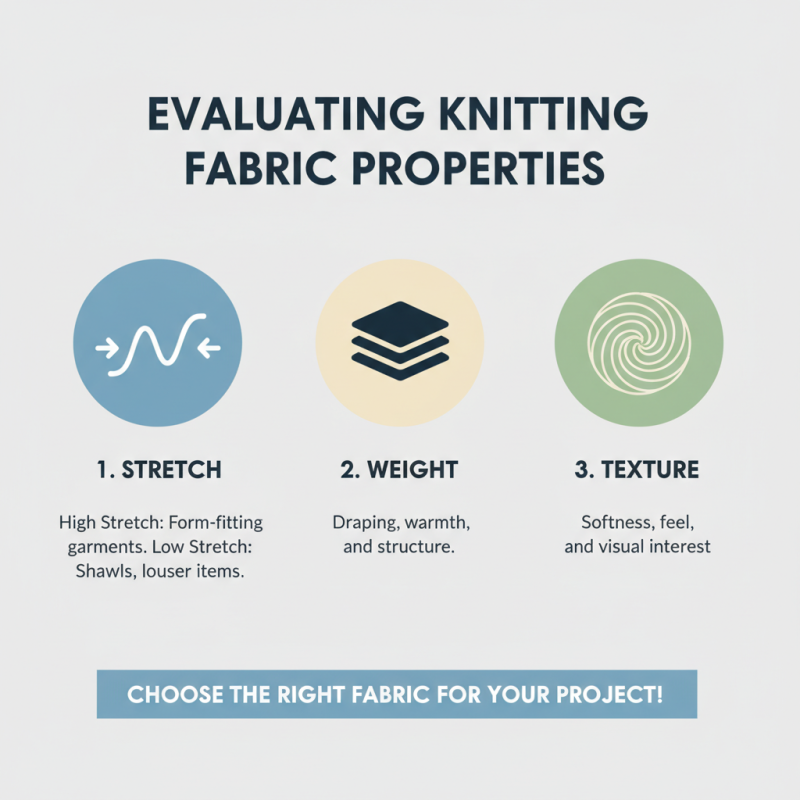
When selecting knitting fabric, understanding its properties is crucial. Stretch, weight, and texture are the main factors that influence your project. Stretch determines how well the fabric will fit and hold its shape. Fabrics with high stretch are ideal for form-fitting garments. If you're knitting something looser, such as a shawl, less stretch may be more appropriate.
Weight plays a significant role as well. Heavier fabrics provide warmth and structure, making them suitable for winter wear. Lighter fabrics lend themselves to summer garments, offering breathability. However, it can be tricky. The wrong weight choice can lead to a project that falls flat or feels uncomfortable.
Texture is another essential consideration. A smooth texture feels soft against the skin, while a textured fabric can add visual interest. Explore various options to see what resonates with your style. Yet, be cautious—some textures can be abrasive or itchy. Reflect on your past projects. Have you been uncomfortable due to fabric choices? Each factor intertwines, shaping the final result of your work. Careful evaluation of these properties is vital for a successful knitting experience.
Choosing the Right Yarn Material for Your Project Needs
Choosing the right yarn material is crucial for your knitting projects. The type of fabric can significantly affect the final product's look and feel. According to industry data, nearly 70% of knitters report that yarn choice directly influences their satisfaction with the finished item. Different fibers offer distinct properties. For instance, wool is known for its warmth and elasticity, while cotton is lighter and breathes better.
When selecting yarn, consider how it will be used. For baby garments, soft, hypoallergenic fibers are essential. In contrast, sturdy materials like acrylic might be more suitable for home decor projects. The Craft Yarn Council reports that over 40% of experienced knitters prefer natural fibers for their durability and ease of care. This preference reflects a growing awareness of sustainability and environmental impact in the crafting community.
It’s important to acknowledge personal comfort as well. Some knitters find synthetic fibers irritating on their skin. Others may struggle with the weight of certain yarns, affecting their knitting experience. Adjusting your choices based on these factors can lead to more enjoyable crafting moments. While specialized fabrics may contribute to a flawless finish, the process should be enjoyable. Experimentation can lead to unexpected, yet beautiful results.
How to Choose the Right Knitting Fabric for Your Projects?
| Fabric Type |
Composition |
Best For |
Care Instructions |
| Cotton |
100% Cotton |
Garments, Dishcloths |
Machine wash, tumble dry |
| Wool |
100% Wool |
Sweaters, Scarves |
Hand wash only |
| Acrylic |
100% Acrylic |
Toys, Blankets |
Machine wash, tumble dry |
| Blends |
Cotton/Wool |
Versatile Projects |
Follow wool care instructions |
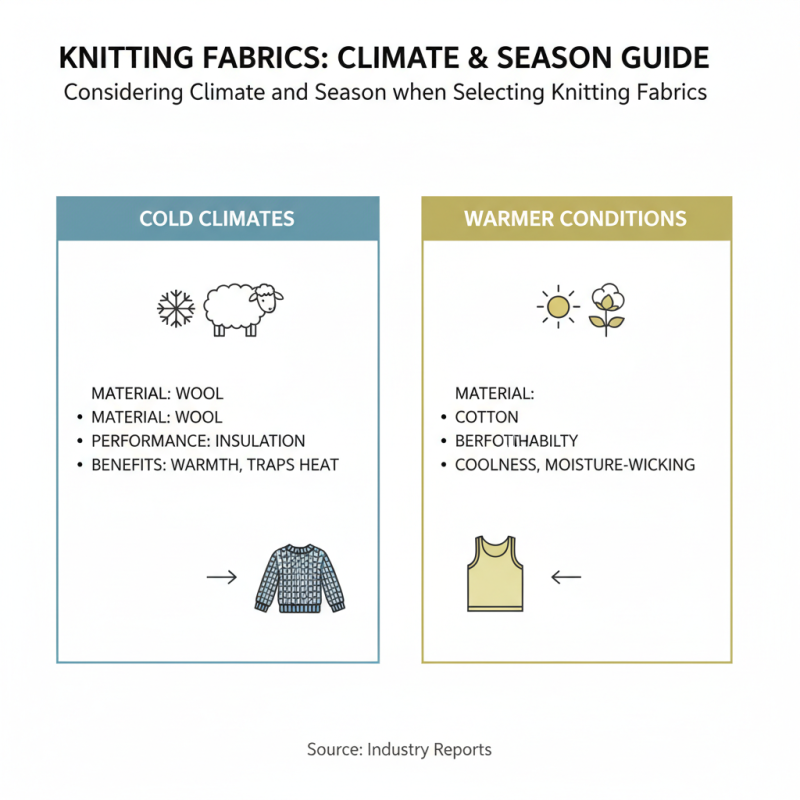
Considering Climate and Season when Selecting Knitting Fabrics
When selecting knitting fabrics, it's crucial to consider climate and season. Different materials perform uniquely based on environmental conditions. According to industry reports, wool is excellent for cold climates due to its insulation properties. In contrast, cotton is preferred in warmer conditions for its breathability and moisture-wicking ability.
It's also important to acknowledge the drawbacks of certain fabrics. While synthetic blends can be affordable and versatile, they may not provide the same comfort as natural fibers. Data suggests that over 60% of knitters prefer materials that align with their local climate. However, this awareness often lacks depth among beginners. Many overlook the significance of fabric texture, which can affect not only the garment's look but also how it feels against the skin.
Tendencies can shift based on seasonal trends, yet practical choices should prevail. Seasonal weather changes necessitate a rotation in fabric selection. Reports indicate a 30% increase in projects using lightweight fabrics during the summer months. Still, while it’s tempting to follow fashion trends, knitters should prioritize functionality. Ultimately, the right fabric choice balances aesthetics, comfort, and environmental suitability.
Matching Fabric with Project Type: Garments, Accessories, and Home Decor
When selecting the right knitting fabric, consider the type of project you have in mind. For garments, opt for soft, breathable materials. Cotton works well for summer tops. Wool is ideal for cozy sweaters. Fabrics that stretch, like jersey, can enhance the fit and comfort of your clothes.
Accessories like scarves or hats benefit from versatile yarns. Acrylic can provide warmth without bulk, while a blend of fibers adds durability. Textured yarns create visual interest, but they can be tricky for beginners. Take time to practice with different stitches before committing to a project.
Home decor items, such as blankets or pillows, require sturdier materials. Look for fabrics that are machine washable for practicality. Chunky yarns can create inviting textures for throws. However, not all yarns work well with a pattern. Test swatches can save you heartache down the line, helping you avoid frustration in larger projects. Consider the intended wear and care, as this can influence your fabric choice significantly.
Fabric Type Suitability for Different Knitting Projects
This chart represents the suitability scores of various fabric types for different knitting projects. A higher score indicates a better match for typical projects in garments, accessories, and home décor. Cotton, Wool, and Silk show high adaptability while Linen is somewhat less favorable.