Exploring China Best Single Jersey Fabrics for Quality and Comfort?
In the vibrant world of textiles, Single Jersey fabrics stand out for their unique blend of comfort and quality. Renowned textile expert, Dr. Lily Zhang, emphasizes, “Single Jersey offers versatility that few other fabrics can match.” This statement highlights the growing significance of Single Jersey in both functional and fashion-oriented markets.
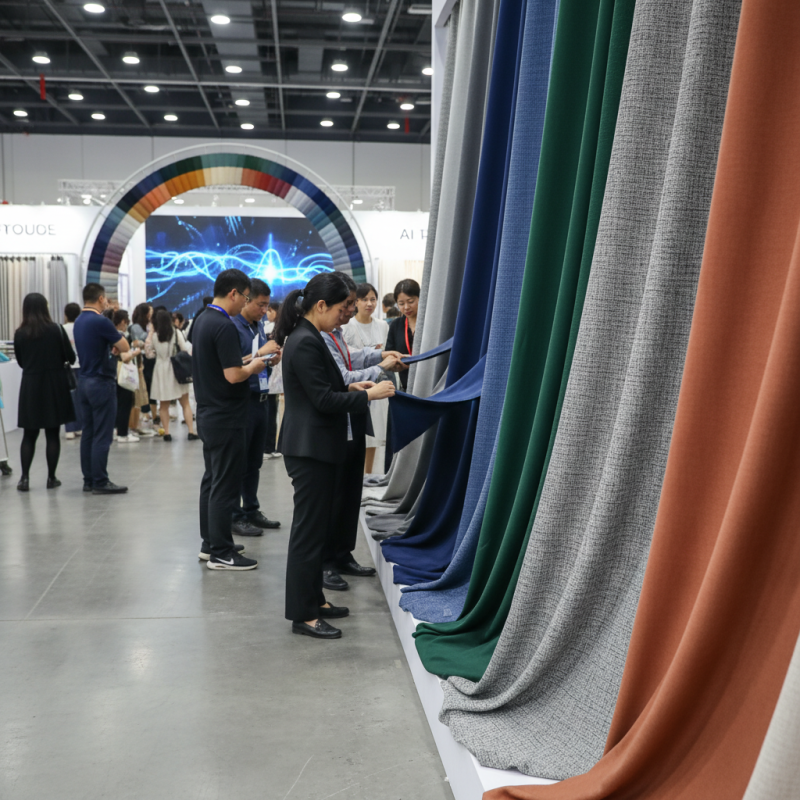
As the 2026 Canton Fair approaches, innovation in fabrics becomes paramount. With over 1.55 million square meters dedicated to showcasing advancements, Single Jersey fabrics will likely capture attention for their lightweight feel and superior breathability. Exhibitors are eager to demonstrate how these textiles meet modern consumer demands, blending comfort with style. However, not all Single Jersey products meet high standards. Some may compromise on quality, necessitating careful selection.
Tapping into the potential of advanced manufacturing, the fair introduces AI-driven tools to streamline the sourcing process. Buyers can quickly find suppliers that match specific certifications, such as ISO and CE. This focus on efficiency will encourage a deeper engagement with exhibitors who demonstrate a commitment to excellence in Single Jersey production while addressing the need for sustainable practices.
Understanding Single Jersey Fabrics in China
Single jersey fabrics are a staple in the textile industry. They are known for their soft texture and breathable quality. In China, the production of single jersey fabrics has become very sophisticated. Factories are equipped with advanced machinery. This enhances the speed and quality of production.
China's single jersey fabrics come in various weights and finishes. The choice often reflects the intended use. Lightweight jerseys are great for casual wear, while heavier versions offer durability for sports. There are challenges in production, like ensuring consistent quality. Not all fabrics meet high standards. Buyers should be aware of these issues when sourcing.
Comfort is a key factor in selecting single jersey. The feel of the fabric against the skin is crucial. Cotton blends are popular for their softness. Some fabrics, however, might not be as comfortable in hot weather. It is essential to test the fabric before making large purchases. A thoughtful approach to fabric selection can lead to better quality garments.
Exploring China Best Single Jersey Fabrics for Quality and Comfort
| Fabric Type |
Composition |
Weight (gsm) |
Stretchability |
Application |
| Cotton Single Jersey |
100% Cotton |
160 |
Good |
T-shirts, Casual Wear |
| Polyester Single Jersey |
100% Polyester |
150 |
Excellent |
Activewear, Sports Clothing |
| Cotton-Polyester Blend |
60% Cotton, 40% Polyester |
180 |
Good |
Casual Wear, Uniforms |
| Modal Single Jersey |
100% Modal |
130 |
Excellent |
Loungewear, Nightwear |
| Rayon Single Jersey |
95% Rayon, 5% Spandex |
140 |
Very Good |
Fashion Apparel, Dresses |
Characteristics of Quality Single Jersey Fabrics
When it comes to single jersey fabrics, quality and comfort are essentials. These fabrics are soft and stretchy. The best ones have a tight knit. This allows for better durability. Comfort is felt in the way the fabric moves with the body. A good single jersey will not lose shape over time.
Breathability is also a key characteristic. Fabrics with good airflow help in maintaining body temperature. This makes them ideal for both casual and active wear. The weight of the fabric matters too. Lightweight jerseys are great for summer. Heavier options can provide warmth in cooler weather.
Color retention and finishing techniques are crucial as well. Well-finished fabrics resist fading. This means they look new for longer. Some fabrics may feel great but lack longevity. Choosing the right single jersey can sometimes feel overwhelming. Reflecting on these factors can lead to wise selection. Investing time in quality fabrics pays off in comfort and longevity.
Comfort Factors in Single Jersey Fabrics
Comfort is a pivotal factor in selecting single jersey fabrics. These fabrics are often made from cotton, polyester, or blends. According to a recent industry report, nearly 70% of consumers prioritize comfort over other qualities when buying clothing. This reveals the importance of fabric texture and hand feel in attracting buyers.
Single jersey fabrics are known for their stretch and flexibility. The knit structure allows for breathability, making them suitable for casual wear and sports apparel. Studies show that fabrics with a 180 to 220 GSM weight provide optimal comfort for daily use. Lightweight options can feel soft against the skin but may lack durability.
It’s essential to note that not all single jersey fabrics are created equal. Some may pill or fade, reducing overall comfort. Acknowledging this, manufacturers are exploring eco-friendly methods to enhance quality while maintaining comfort. In this quest for perfection, the balance between sustainability and fabric performance often poses challenges. Many consumers remain unaware of the hidden complexities behind what makes a fabric truly comfortable.
Comparative Analysis of Manufacturers in China
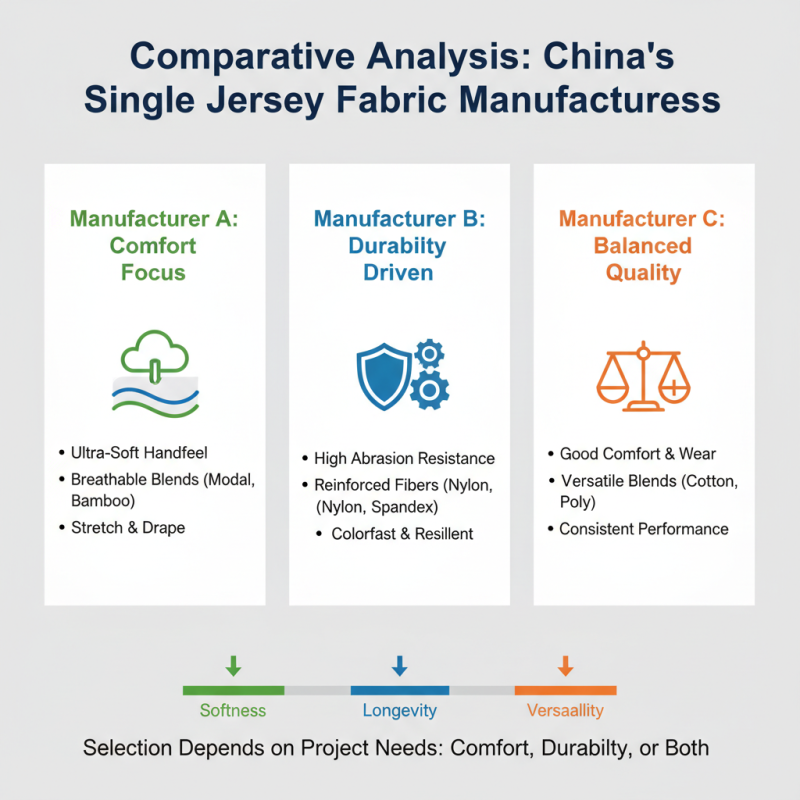
In exploring the best single jersey fabrics in China, it’s crucial to analyze the manufacturers. Numerous companies specialize in this type of fabric, each offering unique qualities. Some prioritize comfort, while others focus on durability. This variety can make a selection challenging. Each manufacturer has strengths and weaknesses that impact their overall quality.
When evaluating different manufacturers, consider the production processes. Some use eco-friendly materials, promoting sustainability. Others might overlook this aspect, raising questions about their long-term impact. Fabrics should feel soft and breathable. However, achieving this balance isn't easy. Testing various samples can reveal inconsistencies in quality.
Not every manufacturer provides transparency in sourcing and production. This can lead to doubts about the final product's quality. Engaging with manufacturers directly can help clarify these issues. A straightforward conversation about their practices can provide valuable insights. Researching customer feedback is also essential. It can highlight the experiences of others, helping in decision-making.
Sustainable Practices in Single Jersey Fabric Production
Sustainability in fabric production is crucial today. Single jersey fabrics offer versatility and comfort, but how they are made matters greatly. Many manufacturers focus on eco-friendly materials. Organic cotton, for instance, is a popular choice. It's grown without harmful chemicals, reducing soil and water pollution. However, sourcing organic fibers can be challenging. Not all regions have the infrastructure to support sustainable farming practices.
Recycling is another key practice. Using post-consumer materials helps cut down waste. Yet, not all recycled fabrics maintain quality. Sometimes, the end product doesn't match the original fabric's softness or durability. This presents a dilemma: how do we balance quality and sustainability? Innovations in technology aim to tackle this. But as the industry evolves, transparency is vital. Consumers deserve to know the journey of their fabrics. They should ask questions, like where the materials are sourced and who produced them.
Ultimately, the goal is to make smart choices in fabric production. The ideal path combines sustainability with luxurious comfort. While progress is being made, challenges remain. It's essential for producers and consumers to reflect on their roles in this journey. Ignoring these issues only perpetuates the cycle. A fabric’s quality shouldn’t come at the expense of our planet.
Exploring China Best Single Jersey Fabrics for Quality and Comfort