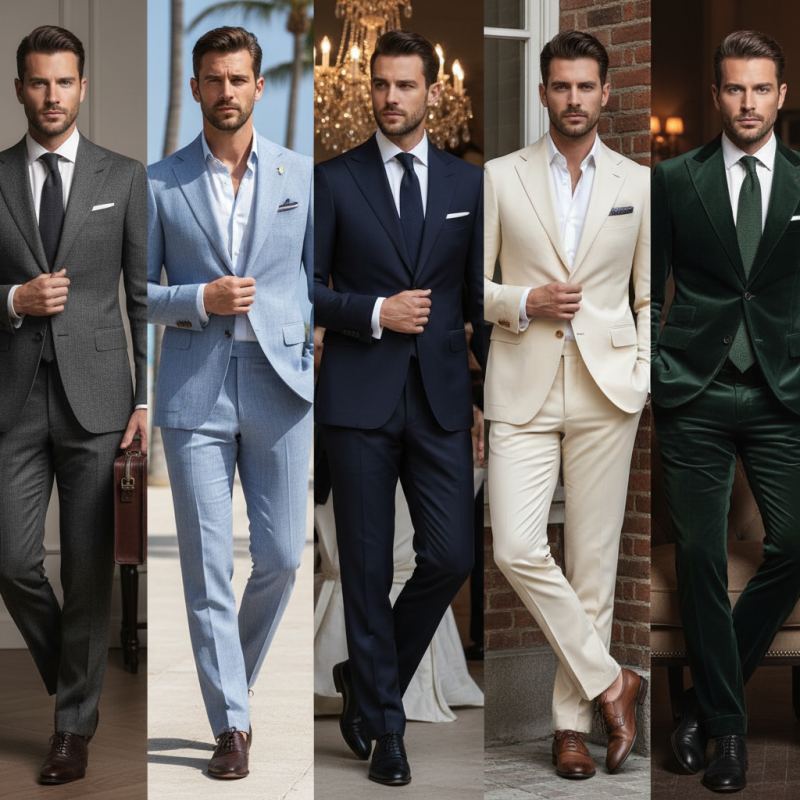
Top 5 Fashion Suit Fabric Tips for Every Occasion?
When it comes to looking sharp, the right fashion suit fabric is crucial. The global men's suit market was valued at over $17 billion in 2020. It’s projected to grow, driven by changing trends and increased demand for sartorial elegance. A carefully selected fabric can elevate a simple suit into a statement piece.
Choosing the correct fabric affects not only appearance but also comfort. For instance, wool suits are favored for their versatility. They work well in both formal and semi-formal settings. Conversely, linen suits are great for summer occasions but can sometimes wrinkle.
Understanding the occasion is paramount. Different fabrics serve different purposes. In business settings, durable materials signal professionalism. In contrast, relaxed events call for softer textures. Knowing these nuances can avoid fashion faux pas. Reflect on your fabric choices. They can greatly impact your style narrative and comfort level.
Understanding Suit Fabrics: Key Attributes for Any Occasion
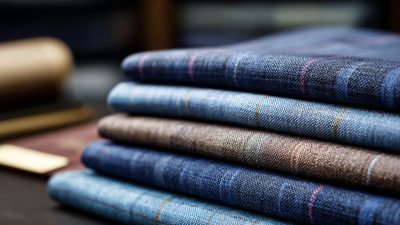
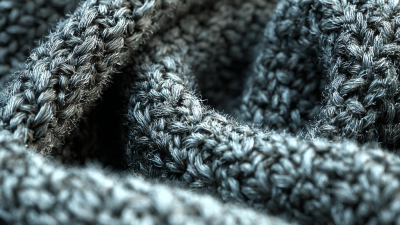
When choosing the right fabric for a suit, understanding key attributes is essential. Different occasions require different fabrics. Wool is versatile and perfect for most events. It drapes well, allowing for a sharp silhouette. However, it can be warm. A summer wedding might call for something lighter.
Linen offers breathability and a relaxed vibe. It's great for outdoor events. Yet, it wrinkles easily. That’s a consideration if you’re going for a polished look. Cotton is another option. It's comfortable and has a casual touch but may lack the formal appeal of wool.
Silk blends add luxury. They are smooth and elegant. However, they can be delicate and harder to maintain. Understanding these characteristics will help you select the best fabric for any event. Consider your comfort alongside style. Each choice presents its challenges. Fashion is not just about appearance; it's about selecting what truly fits the occasion.
Top 5 Fashion Suit Fabric Tips for Every Occasion
| Fabric Type |
Key Attributes |
Best Occasions |
Care Instructions |
| Wool |
Natural, breathable, good drape |
Formal events, weddings |
Dry clean only |
| Cotton |
Soft, breathable, easy care |
Casual outings, office wear |
Machine wash |
| Linen |
Lightweight, breathable, wrinkles easily |
Summer events, beach weddings |
Dry clean or hand wash |
| Silk |
Luxurious, shiny, smooth texture |
Formal dinners, gala events |
Dry clean only |
| Polyester |
Durable, wrinkle-resistant, affordable |
Everyday wear, travel |
Machine wash |
Selecting the Right Fabric for Formal Events: A Guide
Selecting the right fabric for formal events can be daunting. According to the Fabric and Apparel Association, around 80% of people admit to feeling overwhelmed when choosing fabrics. This emphasizes the need for guidance in making informed decisions.
For formal occasions, wool, silk, and cotton are ideal. Wool offers structure and elegance. It’s breathable, making it suitable for various temperatures. Silk adds a luxurious touch, exuding sophistication. Cotton, while often considered casual, can shine in dress pants or blazers when chosen carefully. It’s essential to check the fabric's weight and drape. Heavier fabrics, like serge, provide a polished look, while lighter options work best in warmer settings.
However, it's important to consider personal style and comfort. Even though a fabric may look exquisite, if it doesn’t feel right, it can affect confidence. A recent survey revealed that nearly 50% of individuals would choose comfort over style. Reflecting on these preferences is crucial when making choices for memorable events.
Casual Outings: Ideal Suit Fabrics for Relaxed Settings
Casual outings call for a more relaxed approach to suit fabrics. Opting for lightweight cotton or linen can enhance comfort. These fabrics breathe well, making them perfect for warm days. They also add a laid-back vibe to your look. Soft textures like chambray can be a great alternative too.
Color choices matter in casual settings. Think about light hues or playful patterns. Stripes, checks, or even subtle florals can brighten your ensemble. However, don’t go overboard. A balance is key. Simplicity often wins the day. A well-fitted, less structured suit can convey elegance while keeping it easygoing.
Fit is crucial as well. An oversized suit may look sloppy. A tailored yet relaxed fit is ideal. It gives you that effortless style without appearing formal. Experiment with different styles and see what feels right. Remember, casual doesn’t mean careless. Finding the perfect blend of comfort and style takes some trial and error.
Adapting Fabric Choices for Different Seasons and Climates
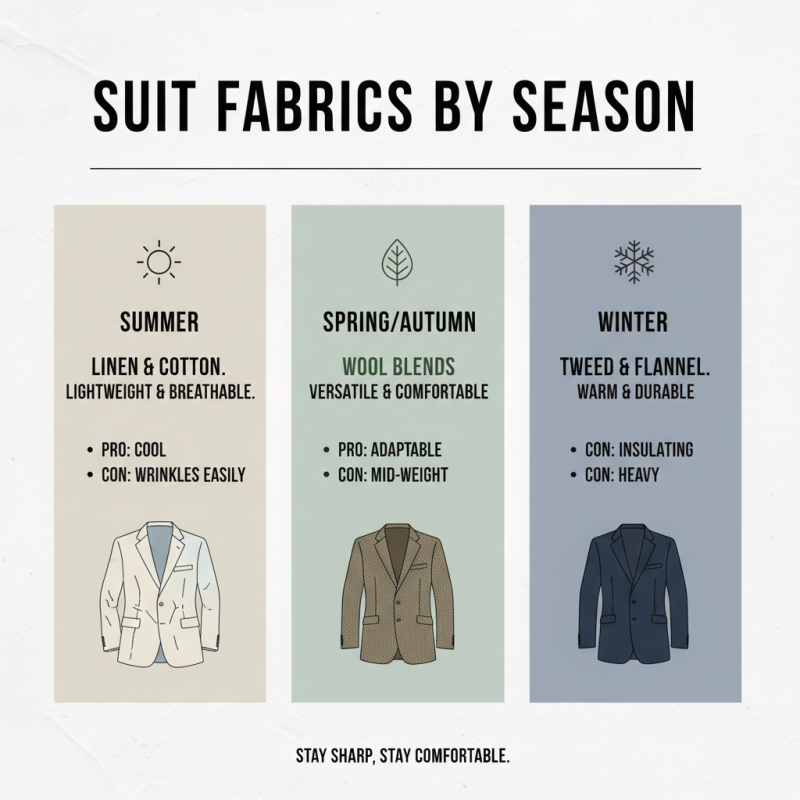
Choosing the right fabric for a suit can be challenging. Each season and climate requires specific considerations. In the summer, lightweight fabrics like linen and cotton are ideal. They are breathable, allowing for ventilation. However, they may wrinkle easily. Sometimes, you might end up looking a bit disheveled.
For fall and winter, wool is a great choice. It provides warmth and structure. However, heavier fabrics can make you feel bulky. Mixing textures is a good way to add depth without overheating. Combining a wool suit with a lighter shirt can create a balanced look.
Spring is tricky. Fabrics should transition smoothly as temperatures fluctuate. Consider blends that resist wrinkling yet remain breathable. It can be hard to choose. A smart practice is to test fabrics in varying light and temperatures. This way, you can find what truly feels comfortable. Remember, fabric choice impacts not just style but how you feel throughout the day.
Care and Maintenance Tips for Prolonging Suit Fabric Lifespan
When it comes to suit fabric maintenance, proper care is essential. Many people overlook this aspect, leading to premature wear and reduced lifespan. According to a report from the Fabric Institute, approximately 30% of suits fail to last beyond three years due to improper care. Simple actions can significantly extend your suit's life.
Regular cleaning is crucial. Wool suits should be dry-cleaned sparingly. Excess cleaning can strip natural oils, causing fabric to lose its luster. For minor stains, try spot cleaning with a damp cloth. Always use a suit brush to remove dust and lint after each wear. This habit can maintain fabric integrity and enhance appearance.
Storage matters too. Hanging suits on sturdy wooden hangers prevents stretching. Avoid wire hangers; they can distort suit shape. Consider breathable garment bags, especially for long-term storage. Air circulation is essential. A study found that improper storage can lead to over 50% of fabric degradation. Reflect on these tips, and you might find that your suits could last longer than expected.