Sourcing Weft-Knitted Fabric in 2026 requires more than comparing prices on a supplier website. Buyers must connect fabric performance with the final product, production volume, and market expectations. A soft jersey for everyday T-shirts needs different specifications from a stable interlock for uniforms or sportswear. Small details matter. Yarn composition, knitting gauge, weight, width, stretch recovery, and finishing can change the buying decision.
Experienced sourcing teams usually begin with a clear technical sheet. It should state fiber percentages, target GSM, usable width, color standards, shrinkage limits, and testing requirements. Requesting lab dips and fabric swatches is essential. Digital images cannot show pilling, hand feel, spirality, or recovery accurately. A reliable mill should explain its knitting equipment, quality controls, lead times, and capacity during peak seasons. Traceable production records also support more responsible purchasing.
Do not trust perfect promises.
In practice, samples can perform differently after washing or bulk production. That is why buyers should test shrinkage, colorfastness, abrasion resistance, and seam behavior before confirming an order. Independent laboratory verification may be worthwhile for important programs. Supplier audits can reveal weaknesses that a polished presentation hides. Still, audits are not flawless. They reflect one moment, not every production shift. Building a backup supplier is sensible, especially when sourcing recycled fibers or specialized finishes. This guide examines practical supplier research, sample evaluation, cost control, documentation, and risk management for Weft-Knitted Fabric in 2026. It also questions common assumptions, because an attractive quotation is not always a reliable supply solution.
How to Source Weft-Knitted Fabric in 2026?
Start with a precise fabric brief. Define the target weight between 120 and 300 GSM, then connect it to the end use. A 120–160 GSM fabric may suit lightweight tops, while 220–300 GSM supports sweatshirts, structured dresses, or durable uniforms. GSM alone is not enough. Gauge matters.
Specify the fiber blend by percentage, not vague terms such as “soft synthetic.” For example, request 60% cotton and 40% recycled polyester, then confirm fiber content through laboratory testing. Textile Exchange’s Materials Market Report 2024 estimates global fiber production reached 124 million tonnes in 2023. It also projects continued growth toward 160 million tonnes by 2030. That scale makes traceability and blend verification increasingly important. Ask for origin records, test methods, and acceptable tolerance ranges.
For weft knitting, record the machine gauge, stitch length, finishing process, width, shrinkage, pilling, and colorfastness requirements. A finer gauge can create a smoother surface, but it may reduce bulk and warmth. A coarser gauge may improve texture, yet it can increase snagging risk. Gauge matters. Feel comes later. I would test at least three samples near the target GSM, not just one. A 180 GSM sample can still feel too dense after finishing, or too loose after washing. This is where sourcing decisions often need reconsideration. Use end-use testing, not appearance alone.
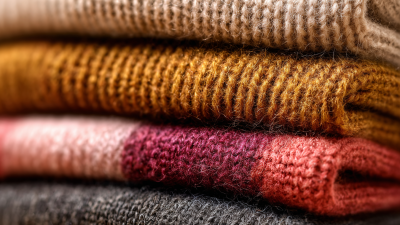
In 2026, supplier screening should begin with evidence, not attractive swatches. Textile Exchange’s Materials Market Report 2024 recorded 124 million tonnes of global fiber production in 2023. It projects roughly 160 million tonnes by 2030. That scale makes capacity claims worth testing.
Request a current ISO 9001 certificate, audit scope, site address, and corrective-action records. ISO 9001 proves a quality-management system, not perfect fabric. For OEKO-TEX® certification, verify the product class, test date, certificate number, and covered fiber composition. Ask for recent laboratory reports covering dyes, pH, formaldehyde, and restricted substances. Small details matter. A certificate may cover one style, not every color or finishing route.
Compare MOQ with your forecast, machine gauge, and greige-to-finished lead time. Ask for monthly machine hours, utilization, backup knitting capacity, and peak-season allocation. Capacity is evidence. The WTO’s World Trade Statistical Review 2024 reported a 1.2% decline in world merchandise trade volume during 2023, so optimistic production promises deserve scrutiny. Check three years of export records through invoices, packing lists, customs entries, and destination consistency. UN Comtrade data can provide a useful external cross-check. I have learned that spreadsheets can still mislead. A factory visit, trial order, and wash test often reveal more than a polished presentation. I would not treat missing records as automatic failure, but I would document the risk and negotiate smaller commitments.
When comparing weft-knitted fabric quotes, separate the 15–45-day lead time into production, inspection, and shipment. A 15-day promise may exclude yarn booking and laboratory testing. Ask for a dated production schedule, not only a delivery estimate. Textile Exchange’s 2024 Materials Market Report recorded global fiber production at 124 million tonnes in 2023. Rising volume makes capacity confirmation more important, especially before seasonal peaks.
MOQ can change the real price quickly. Compare 300 kilograms, 1,000 kilograms, and your actual forecast. A lower unit price may hide unused fabric, shade risks, or storage costs. Request the same specifications: composition, gauge, width, weight, finish, tolerance, and color standard. Include sample meters and testing fees. My own mistake was comparing kilogram prices before checking usable width. The cheapest quote was not cheapest.
Incoterms also reshape landed cost. Under EXW, you may pay inland pickup, export handling, and documentation. FOB usually gives clearer port-cost separation, while CIF still leaves destination charges and import duties to the buyer. DDP can simplify delivery, but verify tax responsibility and customs compliance. Calculate fabric cost, freight, insurance, duty, brokerage, inspection, and local delivery per usable kilogram. Freight volatility remains a concern; the World Bank’s Logistics Performance Index 2023 highlights customs, infrastructure, and shipment tracking as key reliability factors. A spreadsheet can still lie. Add a 3–5% contingency for claims, delays, and currency movement.
A reliable sample begins with measurable performance targets. Set maximum shrinkage at 5% after laundering. Use ISO 5077 for dimensional change testing. Check length and width separately. A 2024 Textile Exchange Materials Market Report estimated global fiber production at 124 million tonnes in 2023. This volume increases sourcing pressure. Consistent testing matters more than attractive first impressions.
Request at least three fabric samples from each mill. Cut marked panels before washing. Record loop direction, fabric weight, and finishing treatment. Test colorfastness against ISO 105-C06. Grade 4 should remain the minimum target for normal domestic laundering. Inspect dry and wet staining separately. Small details matter.
Pilling resistance also needs a defined method. Use ISO 12945-2 and record the tested cycle count. A sample may look clean after one inspection, then pill around the elbow. That is easy to miss. Ask for test photographs and original laboratory data, not only a pass statement. I would also compare bulk fabric with the approved sample. Finishing can hide weak yarn quality. This remains a sourcing risk.
The process is not perfect. Different laboratories may produce slightly different results. Humidity, detergent, and machine settings can influence outcomes. Keep one sealed reference sample for future comparison. Clear records make negotiation more reliable.
Production approval should begin with a 3–5-meter lab dip, not a digital color image. Ask the mill to knit the dip with the intended yarn, structure, and finishing route. Check shade under daylight and store lighting. Record the color standard, fabric width, GSM, stretch, recovery, and shrinkage. A small dip can reveal uneven dyeing, but it cannot predict every bulk-production issue.
Request a signed approval sheet before bulk knitting starts. Keep one fabric cutting with the buyer, one with the mill, and one for inspection. During production, compare rolls against the approved dip and construction sample. Check needle lines, barre, holes, oil marks, skew, and loose courses. Measure width across several points. Fabric often changes after washing. That detail is easy to miss.
Use AQL 2.5 as an inspection limit, not a promise of perfection. Define major and minor defects clearly before the inspector arrives. For pre-shipment inspection, inspect finished rolls, cartons, labels, quantity, packing, and test reports. Review colorfastness, dimensional stability, pilling, and spirality when the end use requires them. An experienced inspector should sample randomly, not select only convenient rolls. Production approval can still be wrong when the sample is too small or the test method is unclear. Leave room for correction.