What is Knit Fabric and How is it Used in Fashion?
Knit fabric has revolutionized the fashion industry. This material offers unique qualities that set it apart from woven fabrics. It is stretchy, soft, and comfortable, making it ideal for various clothing types.
Designers often choose knit fabric for casual wear and activewear. Its versatility allows for creative patterns and designs. However, not all knit fabrics provide the same durability. Some may stretch out or lose shape after washing. This can be frustrating for both designers and consumers.
As fashion evolves, the use of knit fabric continues to grow. People appreciate its comfort and flexibility. Yet, there's still a challenge in balancing aesthetics with practicality. Understanding knit fabric is crucial for anyone involved in fashion today.
Definition of Knit Fabric: Characteristics and Composition
Knit fabric is a dynamic textile widely used in the fashion industry. Its unique characteristics set it apart from woven fabrics. The primary feature is its stretchability, allowing for a comfortable fit. Reports indicate that knit textiles account for over 30% of the global fabric market. This growth is attributed to the increasing demand for activewear and casual apparel.
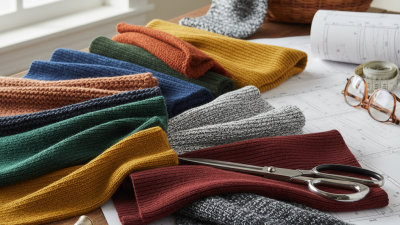
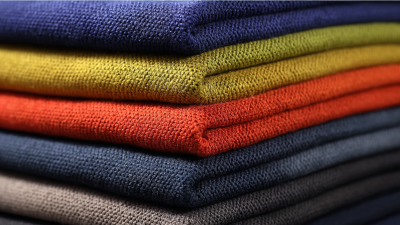
Composition plays a vital role in determining knit fabric quality. Typically made from cotton, polyester, or blends, the fibers can create various textures. Popular categories include jersey, rib, and interlock knits. Each type has distinct qualities, affecting drape and breathability. A study showed that knit fabrics with added elastane enhance flexibility, making them popular in garments like leggings and fitted tops.
However, challenges exist in the knit fabric sector. Sustainability is a pressing concern. Many knits use synthetic fibers that can harm the environment. The industry must address these issues to foster responsible practices. Additionally, low-quality knits can lead to pilling and shape distortion, affecting consumer satisfaction. Designers must balance trendiness and durability, ensuring their choices meet both aesthetic and functional needs.
Types of Knit Fabrics Commonly Used in Fashion Industry
Knit fabrics are essential in the fashion industry due to their versatility and comfort. They are made by interlocking yarns in a specific pattern. Common types of knit fabrics include jersey, rib, and interlock. Each type has unique properties that influence design choices.
Cotton jersey is popular for its softness and breathability. Reports indicate that the global knitwear market is projected to reach $703 billion by 2025. This suggests a high demand for such materials. Meanwhile, ribbed fabric adds texture and elasticity, making it ideal for fitted garments. Interlock knit is thicker, providing warmth for colder seasons.
However, not all knit fabrics perform equally in sustainability. The industry faces challenges in sourcing eco-friendly fibers. The reliance on synthetic materials raises concerns about environmental impact. Designers should reflect on these issues while choosing their fabrics. Balancing style and sustainability remains a complex task for many.
Benefits of Knit Fabric in Apparel Design and Comfort
Knit fabric plays a crucial role in modern fashion, largely due to its benefits in comfort and design. According to a report by a leading textile research firm, the knitwear market is expected to grow by 7% annually. This surge is significantly driven by the increasing demand for comfortable clothing. Knit fabric is known for its flexibility and stretchability, which allows garments to move with the body. This is particularly important for activewear, where comfort is a non-negotiable.
One notable advantage of knit fabrics is breathability. Fabrics like jersey or rib knit allow air circulation, keeping the wearer cool. This trait is vital for daily wear and active lifestyles. Additionally, the softness of knit fabrics enhances comfort levels significantly. Many consumers seek out such fabrics, often reporting a preference for them over woven materials. A survey found that 65% of consumers prioritize comfort when choosing apparel.
Tips: When designing with knits, consider using blends to enhance durability. This can address the potential issue of pilling in lower-quality fabrics. Also, gauge the fabric weight for different seasons; heavier knits are great for winter, while lighter ones work for summer. Always test fabric samples before production. Testing can reveal unexpected limitations, such as reduced elasticity over time. Remember, while knits are versatile, improper care can lead to issues like stretching or fading.
Techniques for Knitting: Hand vs. Machine Methods
Knitting is an age-old craft that has evolved over time. There are two primary methods: hand knitting and machine knitting. Hand knitting requires skills and patience. It allows for creativity and personalization. Each stitch tells a story. Every piece is unique, reflecting the knitter's vision. It also fosters a connection between the maker and the garment. However, it can be time-consuming. Not everyone has that kind of time to dedicate.
On the other hand, machine knitting offers speed and efficiency. It produces uniform and precise patterns. Garments can be churned out rapidly. This method is ideal for mass production. However, it may lack the soul of handmade items. The personal touch can sometimes be lost. It's easier to make mistakes when relying solely on machines. This can lead to a need for rework. Balancing these two methods can be challenging. Each has its strengths and weaknesses. Choosing between them often requires reflection on the desired outcome.
Knit Fabric Usage in Fashion: Hand vs. Machine Techniques
Fashion Trends Influenced by Knit Fabric in Modern Design
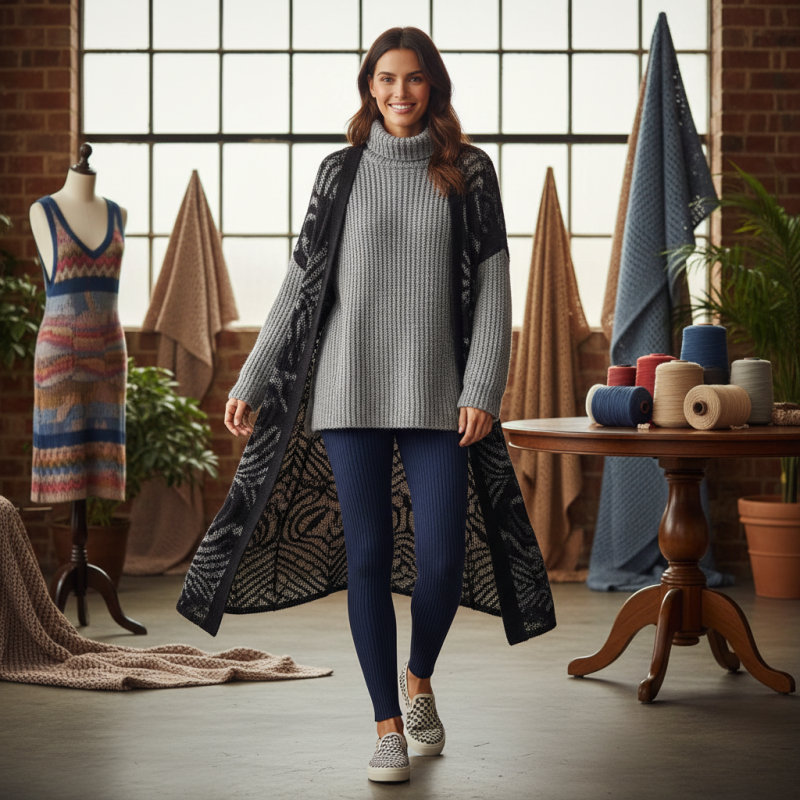
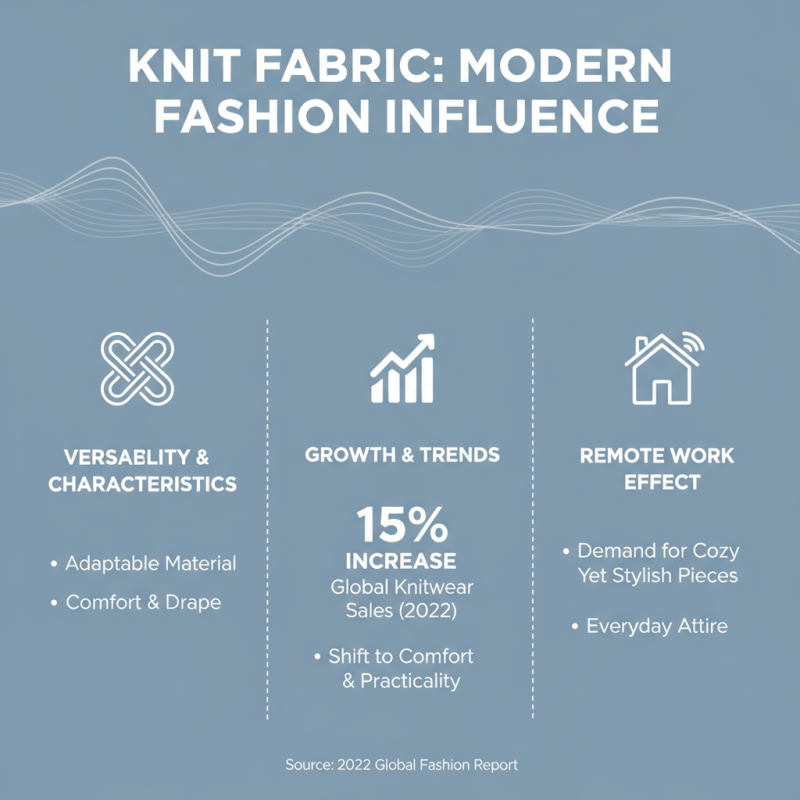
Knit fabric is a versatile material that has significantly influenced modern fashion trends. Designers have adopted this fabric for its unique characteristics. In 2022, knitwear sales experienced a 15% increase globally. This growth reflects a shift towards comfort and practicality in everyday attire. The rise of remote work has further accentuated the demand for cozy yet stylish pieces.
Casual and athletic-inspired styles dominate the runway. Knit fabrics allow for easy movement, making them popular for both activewear and loungewear. The global market for activewear reached $300 billion in 2022, with knit fabrics being a substantial contributor. However, as the trend continues, some critics raise concerns about the sustainability of fast fashion. The environmental impact of mass-produced knit garments remains a point of contention.
Textures in knit fabrics offer depth to designs. Patterns range from simple stitches to intricate designs, providing options for every aesthetic. Still, this diversity can create challenges in manufacturing and sourcing. Balancing creativity with ecological responsibility is essential for progress. Designers must navigate these complexities while maintaining their artistic vision. The future of knit fabric in fashion may depend on innovative approaches to sustainability.