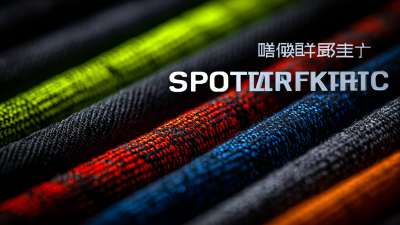
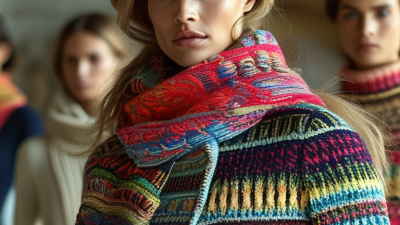
Knitted Sportwear Fabric is built from interlocking loops rather than crossed woven yarns. This structure gives sports garments flexibility, softness, and comfortable movement. When you stretch a jersey sleeve, the loops open slightly and recover. That simple action explains much of its popularity in activewear.
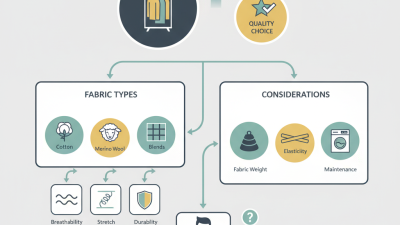
Fabric choice affects performance. Polyester knits often dry quickly and hold color well. Nylon can provide a smoother hand feel and strong abrasion resistance. Elastane adds stretch, but too much may reduce shape stability over time. Cotton blends feel natural against the skin, although they may retain sweat longer. These differences matter during running, cycling, training, and everyday movement.
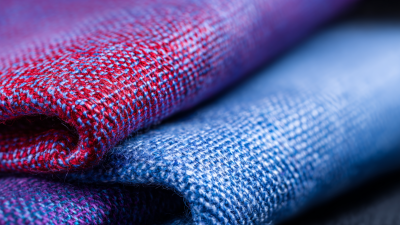
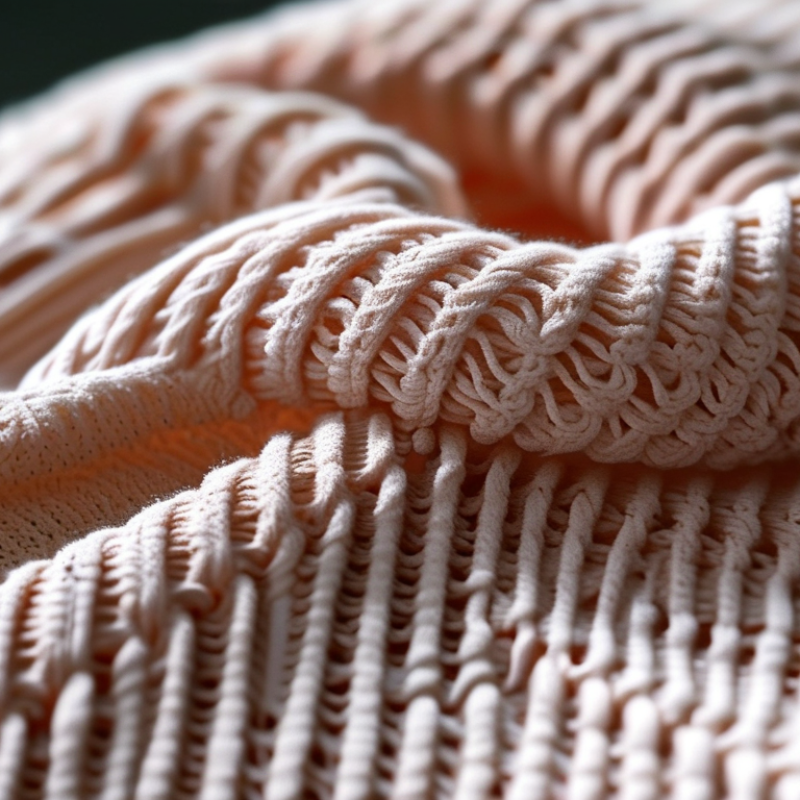
Look closely at the surface. A rib knit shows raised vertical lines, while interlock fabric feels denser and more balanced. Mesh constructions create small openings for airflow. Brushed fleece adds warmth with a soft inner layer. Weight, stretch recovery, pilling resistance, and colorfastness should be checked before production. A fabric that feels perfect on a sample may behave differently after washing.
That is an easy mistake.
Professional buyers usually compare fiber content, fabric weight, finishing methods, and test results. Garment designers also consider seams, body mapping, and the athlete’s environment. Lightweight fabric may suit summer training, but it can feel too thin under harsh conditions. No knitted fabric solves every need. Careful testing remains essential.
This guide explains how Knitted Sportwear Fabric is made, selected, and used. It connects technical details with practical clothing decisions. Some fabric descriptions vary between suppliers, so clear specifications are important. Better choices begin with honest testing, not attractive claims.
What Is Knitted Sportswear Fabric and How Is It Used?
Knitted sportswear fabric is made by forming yarn into interconnected loops. Unlike woven material, its looped structure gives the fabric natural flexibility. This makes it suitable for leggings, training shirts, base layers, and lightweight jackets.
Its core characteristics include stretch, softness, breathability, and comfortable movement. The fabric can follow the body during running, stretching, or gym exercises. Its performance depends on yarn type, knit construction, fabric weight, and finishing treatment. Synthetic fibers often improve moisture transfer and drying speed. Elastane can improve stretch and recovery, but excessive tension may reduce long-term shape retention. Some knitted fabrics resist pilling well; others may show surface wear after repeated friction. This is an important limitation. No single structure performs perfectly in every sport.
Tips: Check stretch in both directions, then observe how quickly the fabric returns to shape. Rub a small area to assess possible pilling. For close-fitting garments, test opacity under movement and bright light. A fabric that feels cool in a showroom may become warm during intense training. Manufacturers should also review wash results, seam behavior, and color stability before production. Small testing mistakes can affect comfort significantly.
| Data Dimension | Definition or Typical Range | Core Characteristics | Common Sportswear Uses | Technical Notes |
|---|---|---|---|---|
| Basic Definition | A textile formed by interlocking loops of yarn rather than crossing straight warp and weft yarns. | Loop construction gives the fabric flexibility, softness, and better conformability to body movement. | Training shirts, running tops, leggings, base layers, sweatshirts, and lightweight jackets. | The exact performance depends on the knit structure, yarn, fiber content, and finishing process. |
| Main Construction Types | Single jersey, interlock, rib knit, pique knit, mesh, fleece, and warp-knit structures. | Each structure produces different levels of stretch, thickness, stability, breathability, and surface texture. | Single jersey for T-shirts; interlock for smooth base layers; mesh for ventilation; fleece for warmth. | Warp knits generally provide improved dimensional stability compared with many weft knits. |
| Fiber Composition | Common fibers include polyester, nylon, elastane, polypropylene, cotton, wool, and regenerated cellulosic fibers. | Synthetic fibers are often selected for strength and drying speed, while natural fibers can improve softness and moisture comfort. | Polyester or nylon blends for activewear; cotton blends for casual fitness garments; wool blends for thermal layers. | Elastane is commonly blended into stretch garments, but the percentage varies by garment design and required recovery. |
| Stretch and Recovery | Stretch may come from loop geometry, elastane, or both; two-way and four-way stretch are common design categories. | Allows garments to follow body movement during bending, running, stretching, and resistance training. | Leggings, compression garments, yoga wear, cycling apparel, swimwear, and fitted training tops. | Good recovery helps reduce bagging at knees, elbows, waistbands, and other high-movement areas. |
| Breathability | The ability of air and water vapor to pass through the fabric, influenced by knit openness, thickness, and finishing. | Open structures and engineered mesh zones can improve airflow and heat release. | Running tops, football jerseys, cycling jerseys, gym shirts, and warm-weather training garments. | A more open knit can improve ventilation but may reduce opacity, abrasion resistance, or wind protection. |
| Moisture Management | Fabric performance related to absorbing, spreading, transporting, and drying liquid sweat. | Many synthetic knitted fabrics are designed to move moisture away from the skin and dry relatively quickly. | Base layers, running wear, fitness tops, team uniforms, and indoor training apparel. | Wicking depends on fiber surface, yarn shape, fabric structure, garment fit, and chemical finishing. |
| Drying Behavior | Drying speed is affected by fiber moisture regain, fabric weight, thickness, surface area, and airflow. | Lightweight polyester and polypropylene knits generally dry faster than heavier or highly absorbent constructions. | Travel sportswear, multi-session training clothing, running apparel, and outdoor activity layers. | Quick drying does not necessarily mean superior sweat absorption; moisture transport and drying are related but different properties. |
| Thermal Performance | Warmth is influenced by fabric weight, thickness, loft, air entrapment, and surface brushing. | Fleece and brushed knits retain more still air, while lightweight mesh and jersey structures support heat release. | Thermal underwear, cold-weather mid-layers, hoodies, joggers, and winter training garments. | Layering allows the same knitted fabric category to be adapted to different temperatures and activity levels. |
| Fabric Weight | Lightweight sportswear knits are often below approximately 150 g/m²; medium and heavy fabrics may range from about 150 to above 300 g/m². | Lower weight usually improves lightness and ventilation, while higher weight can improve coverage, warmth, and durability. | Lightweight tops, medium-weight leggings and jerseys, heavyweight sweatshirts, and fleece outer layers. | Weight ranges are indicative; the appropriate value depends on the sport, season, fit, and required opacity. |
| Dimensional Stability | The ability of fabric to retain its original length, width, and shape after washing, drying, and repeated wear. | Knitted fabrics can be more prone to relaxation and shrinkage than many woven fabrics, depending on construction and finishing. | All sportswear, especially fitted garments and products requiring consistent sizing. | Pre-setting, heat-setting, compacting, and controlled laundering can improve dimensional stability. |
| Softness and Hand Feel | The tactile sensation created by fiber type, yarn fineness, knitting method, brushing, and finishing. | Knits are commonly chosen for their soft hand and reduced surface harshness against the skin. | Base layers, yoga clothing, loungewear, children’s sportswear, and recovery garments. | Softness should be balanced with pilling resistance, abrasion performance, moisture handling, and durability. |
| Abrasion and Pilling | Abrasion resistance is the ability to withstand rubbing; pilling is the formation of small fiber balls on the surface. | Performance varies with fiber strength, yarn construction, fabric density, finishing, and repeated friction. | Rugby wear, football apparel, hiking layers, gym clothing, and garments worn under equipment. | High-friction areas may require denser constructions, stronger yarns, or specialized fabric testing. |
| Seam and Edge Behavior | Knitted fabrics can stretch during cutting and sewing, while rib structures are often used for controlled elasticity at edges. | Flat seams can reduce bulk and chafing; ribbed cuffs, collars, and waistbands improve fit and recovery. | Sports bras, necklines, cuffs, waistbands, underwear, and close-fitting performance garments. | Seam type, stitch density, thread selection, and pattern engineering affect comfort and garment durability. |
| Typical Applications | Used in garments that require movement, comfort, stretch, moisture control, or thermal regulation. | Suitable for both next-to-skin layers and outer athletic garments when the structure is matched to the end use. | Running, training, yoga, cycling, team sports, outdoor recreation, athleisure, and recovery wear. | The best fabric choice should consider activity intensity, climate, garment fit, care requirements, and expected service life. |
| Care Considerations | Care instructions vary by fiber and finish; many performance knits benefit from cool washing and controlled drying. | Excessive heat, harsh chemicals, and rough abrasion may affect elasticity, color, surface appearance, or moisture-management finishes. | Training kits, compression wear, base layers, fleece garments, and everyday activewear. | Care labels should be based on tested garment performance rather than fiber content alone. |