What is Single Jersey Fabric and Its Uses in Clothing?
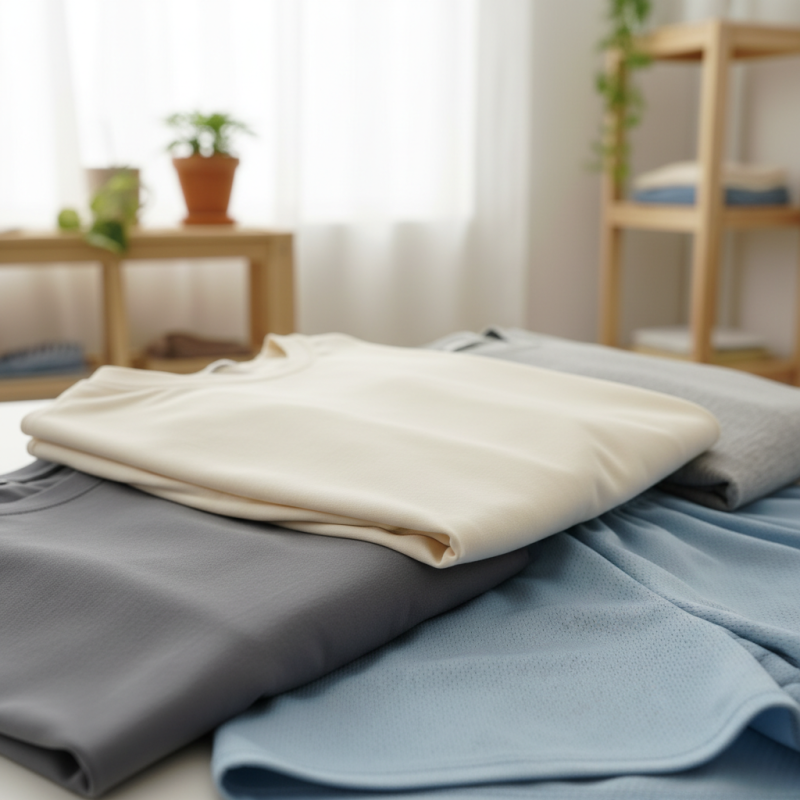
Single Jersey fabric is a popular choice in the clothing industry. According to Sarah Thompson, a textile expert, "Single Jersey is versatile and comfortable, offering a soft touch against the skin." This fabric is knitted from single yarn, making it stretchy yet lightweight.
The unique properties of Single Jersey allow for breathability. Many activewear brands utilize this fabric due to its moisture-wicking capabilities. However, its lightweight nature can lead to issues with durability. Therefore, not all applications are suitable.
Despite its flaws, Single Jersey remains favored in casual wear. Its soft texture is appealing, but quality varies across manufacturers. Consumers should be aware of differences in production standards. This often leads to confusion when shopping for garments made from Single Jersey. Understanding its uses is crucial for making informed choices in fashion.
What is Single Jersey Fabric? A Comprehensive Definition
Single Jersey fabric is a popular textile widely used in clothing design. It is created using a single set of yarns, providing a stretch characteristic that makes it ideal for various apparel types. This fabric is particularly noted for its softness, breathability, and lightweight nature. According to a report by the Textile World, Single Jersey accounts for approximately 25% of jersey fabric production globally.
In practical terms, Single Jersey is commonly found in t-shirts, dresses, and casual wear. Its versatility enables easy styling and comfort. The fabric is often made from cotton, blended with synthetic fibers for enhanced durability. A study conducted by the Global Apparel Market revealed that the demand for comfortable clothing has risen by 15% in recent years. This trend highlights the importance of using materials like Single Jersey, which offer both comfort and functionality.
However, there are challenges in manufacturing Single Jersey fabric. Quality control can be inconsistent, leading to variations in texture and durability. Manufacturers sometimes overlook these issues, focusing more on mass production. This results in fabrics that might not meet consumer expectations. This reality calls for careful consideration of production practices to ensure high-quality outcomes.
The Manufacturing Process of Single Jersey Fabric Explained
Single jersey fabric is a versatile textile
used widely in clothing. Its manufacturing process consists of several important stages
that influence its quality and texture. The primary step is knitting, where single yarn
is looped in a circular motion. This creates a smooth surface on one side and a more textured
finish on the other. The simplicity of this method allows for quick production,
making it a favorite among manufacturers.
Next, the fabric undergoes treatments to enhance its properties. This includes dyeing, which adds
color and vibrancy. However, the dyeing process can sometimes lead to inconsistencies.
Not every batch achieves the same shade, which can be a concern for designers. After dyeing, finishing
treatments are applied. These may include softening or adding stretch. The goal is to make the fabric
comfortable and easy to wear.
Despite its popularity, single jersey fabric has limitations.
It may not hold its shape as well as other fabrics. Additionally, it can be prone to pilling over time.
These factors sometimes lead to dissatisfaction among consumers. Designers must consider these characteristics
when creating garments. Single jersey fabric is loved, yet it requires thoughtful usage in fashion.
Key Characteristics and Properties of Single Jersey Fabric
Single jersey fabric is widely recognized for its soft texture and versatility. This fabric is typically made from a single set of yarns, giving it a smooth, knitted surface. Its composition often includes cotton, which contributes to breathability. According to a report by the Textile Institute, single jersey fabric accounts for approximately 30% of the knit fabric market. This prevalence highlights its popularity in apparel manufacturing.
Key characteristics of single jersey fabric include its lightweight nature and excellent stretchability. The fabric stretches well both in width and length, making it suitable for form-fitting garments like t-shirts and leggings. However, it can be prone to curling at the edges, which might require additional finishing techniques. Furthermore, its single-layer structure results in lower durability compared to double jersey fabrics. A recent study from the International Journal of Fabric Science indicated that while single jersey offers comfort, it may not withstand heavy usage as well.
When it comes to care, single jersey fabric can be machine washed, but high heat can cause shrinkage and distort the shape. Many consumers appreciate its easy maintenance but may overlook these potential drawbacks. As the demand for sustainable fashion grows, the choice of materials becomes crucial. While single jersey offers comfort, the textile industry faces challenges in sourcing organic cotton. A balance between comfort and environmental impact is essential for future developments.
Common Applications of Single Jersey Fabric in Clothing Industry
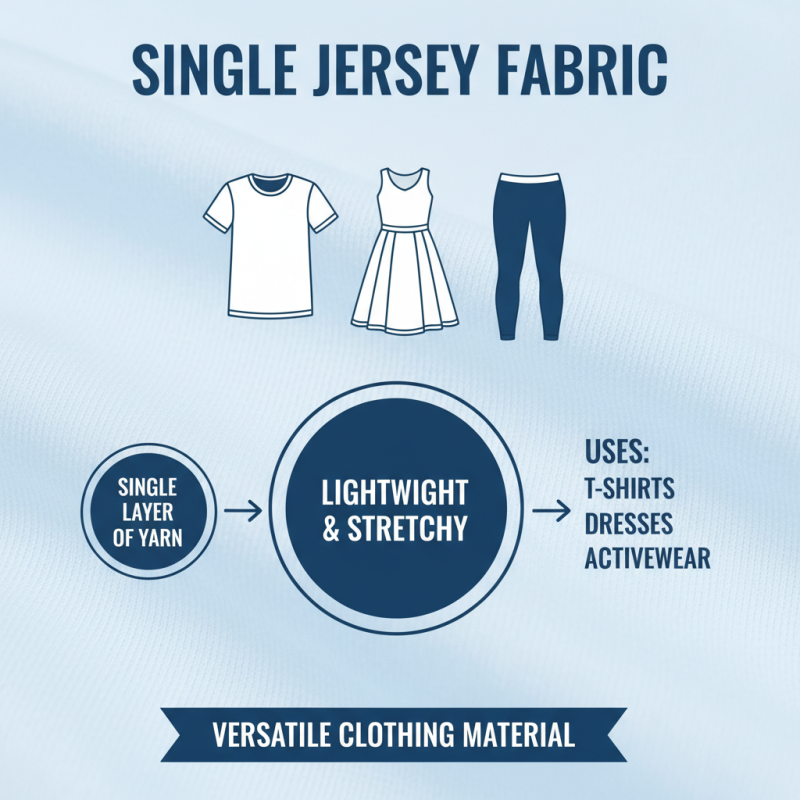
Single jersey fabric is a popular choice in the clothing industry. It is made from a single layer of yarn, creating a lightweight and stretchy material. This fabric is often used in t-shirts, dresses, and activewear, contributing to its versatility.
Many brands favor single jersey for casual wear. It is comfortable against the skin, making it perfect for everyday clothing. T-shirts made from this fabric are breathable and allow for easy movement. However, its lightweight nature can make it prone to snagging and tearing, which can be a concern in garments subjected to heavy use.
Activewear also benefits from single jersey fabric. Its moisture-wicking properties help keep wearers dry during workouts. Yet, not all designs fully utilize these advantages. Sometimes, the fabric may stretch out after washing, losing its original fit. Designers need to consider these factors when creating garments from single jersey. The potential for wear and tear calls for careful construction and finishing techniques to ensure durability.
Market Trends: The Demand for Single Jersey Fabric in Fashion and Textiles
The demand for single jersey fabric has seen significant growth in recent years. This fabric is known for its softness and stretch, making it a favorite for casual wear. According to a recent market analysis, the global single jersey fabric market is projected to reach USD 5 billion by 2025. This growth is mainly driven by trends in athleisure and sustainable fashion.
Retailers are increasingly embracing single jersey fabric for its versatility. It is used in tops, dresses, and lounge wear. The fabric's breathability adds to its appeal for everyday clothing. However, the reliance on single jersey fabric also poses challenges. While it dominates certain segments, quality control can be inconsistent. Not every manufacturer maintains the same standards. This inconsistency may affect consumer satisfaction.
Sustainability is another area of concern. As more brands adopt eco-friendly practices, sourcing materials responsibly becomes essential. The market is responding, with a notable uptick in organic cotton single jersey. Yet, not all manufacturers prioritize sustainability. Transparency in sourcing remains a hurdle. Consumers increasingly seek information about the fabrics they wear. Brands must adapt to these expectations or risk falling behind.