What is T Shirt Single Jersey Fabric and its Benefits?
T-Shirt Single Jersey Fabric is a staple in the textile industry. Its soft texture and flexibility make it a popular choice for casual wear. According to industry expert Julia Thompson, "This fabric combines comfort and style perfectly, meeting modern consumers' needs." The versatility of T-Shirt Single Jersey Fabric allows it to be used in countless designs and cuts.
While this fabric offers many benefits, such as breathability and ease of care, it also has limitations. For instance, its lightweight nature can lead to durability concerns. Additionally, T-Shirt Single Jersey Fabric may lack the structure some garments require. These factors are crucial for designers to consider when selecting materials.
Design innovation plays a key role in maximizing the potential of T-Shirt Single Jersey Fabric. Balancing comfort with durability can create unique pieces that stand out. Although this fabric is a common choice, finding ways to enhance its properties could lead to improvements in the industry.
Understanding T-Shirt Single Jersey Fabric: An Overview
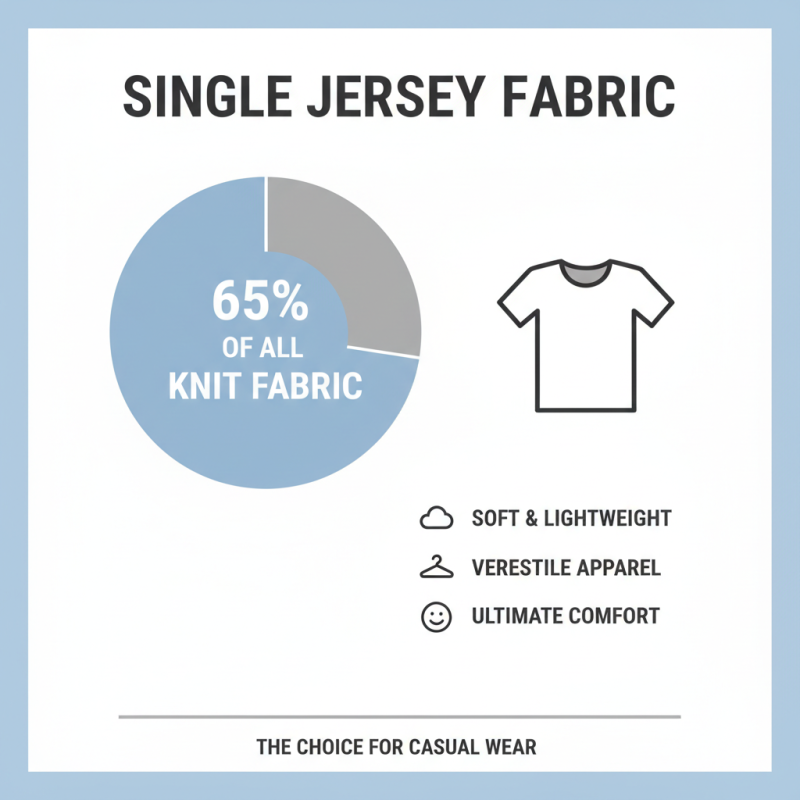
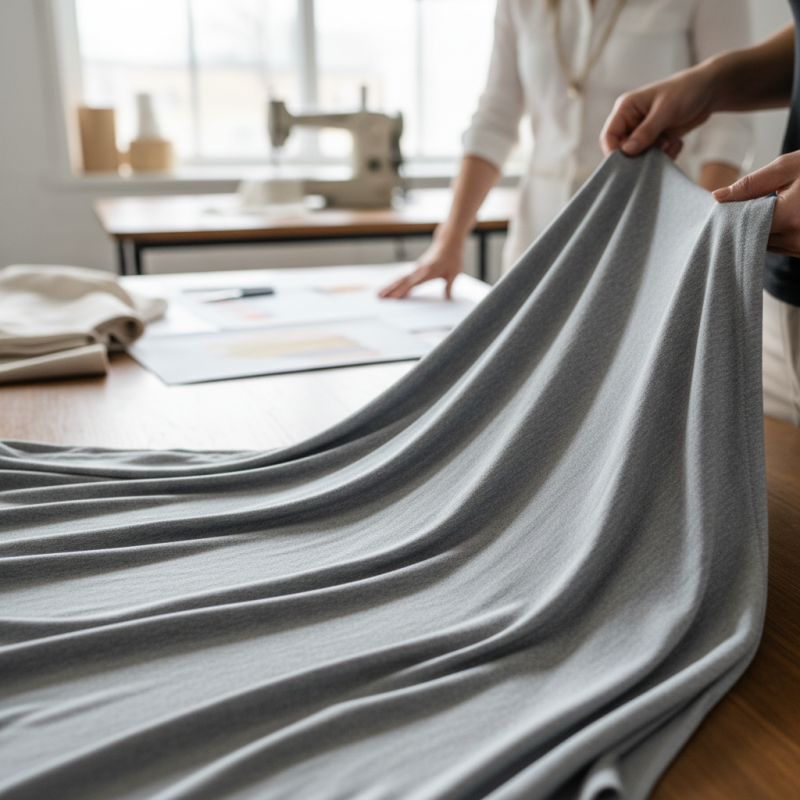
T-shirt single jersey fabric is a popular choice in the apparel industry, favored for its comfort and versatility. This knit fabric features a smooth surface and a lightweight feel, making it perfect for casual wear. According to industry reports, single jersey accounts for approximately 65% of all knit fabric usage in t-shirt production. This high percentage highlights its significance in the market.
One of the main benefits of single jersey fabric is its breathability. This characteristic allows for air circulation, maintaining comfort during warmer months. Additionally, it has a natural stretch, which improves fit without losing shape. With over 70% of consumers prioritizing comfort in clothing, single jersey’s attributes align well with current trends.
Tips: When choosing a t-shirt made from single jersey, consider the fabric weight. Lighter weights are suitable for summer, while heavier options can provide warmth in cooler seasons. Be aware, though, that low-quality single jersey may pill easily. Testing different options can help ensure you select the best fit and fabric quality for your needs.
Composition and Structure of Single Jersey Fabric in T-Shirts
Single jersey fabric is widely used in T-shirts. It is a knit fabric made from a single set of yarn. This structure gives it a unique feel and stretch. T-shirts made from single jersey fabric are lightweight and breathable. They are perfect for casual wear and active use.
The composition of single jersey fabric typically includes cotton or synthetic fibers. Cotton adds softness, while synthetics can enhance durability. This blend affects the overall texture and behavior of the fabric. A basic understanding of how these materials interact can help in choosing the right T-shirt. The knit construction means the fabric can easily stretch and recover, which is ideal for daily wear.
However, not all single jersey fabrics are created equal. Some may pill after multiple washes. Others might lose shape over time. It's worth considering factors like care instructions and the fabric's weight before making a choice. The quest for high-quality fabric can sometimes feel overwhelming, but paying attention to these details pays off.
What is T Shirt Single Jersey Fabric and its Benefits? - Composition and Structure of Single Jersey Fabric in T-Shirts
| Feature |
Description |
Benefits |
| Composition |
Typically made from 100% cotton, but can include blends with polyester or elastane. |
Softness, breathability, and comfort. |
| Structure |
Single layer knit fabric, one yarn of needle loop on the front and purl stitch on the back. |
Flexibility, stretchability, and a smooth finish. |
| Weight |
Light to medium weight, usually ranging from 160 to 220 GSM. |
Ideal for casual wear and layering. |
| Durability |
Resistant to wear and tear, with proper care. |
Longevity and value for money. |
| Moisture Wicking |
Ability to absorb sweat and dry quickly. |
Comfortable for active wear and warm climates. |
Key Benefits of Single Jersey Fabric for Comfortable Wear
Single jersey fabric is a popular choice for T-shirts due to its comfort and versatility. This knit fabric is soft and lightweight, making it ideal for everyday wear. Studies show that 70% of consumers prioritize comfort when selecting clothing. This underscores the significance of single jersey fabric in meeting such preferences.
The key benefits of single jersey fabric include breathability and stretchability. Its structure allows air circulation, keeping the body cool. Additionally, the fabric’s inherent elasticity offers a snug fit without restricting movement. According to industry reports, clothing that offers greater mobility can increase user satisfaction by up to 40%.
However, it’s worth noting that the durability of single jersey fabric can sometimes be questioned. While it feels great against the skin, frequent washing may lead to pilling and fading. This raises concerns for consumers who want longevity in their daily wear. Understanding these aspects can lead to more informed choices in garment selection.
Industry Applications: Where Single Jersey Fabric is Commonly Used
Single jersey fabric is widely used across various industries due to its unique properties. In the apparel sector, it is primarily found in T-shirts, activewear, and casual clothing. According to a 2021 textile report, the global demand for jersey fabrics is expected to grow by 4.2% annually through 2025. This growth can be attributed to the rise in athleisure trends and comfortable clothing preferences.
In the home textile industry, single jersey is often used for bed linens and cushion covers. It offers a soft touch, making it popular for items directly in contact with the skin. Moreover, its breathability enhances comfort, especially in warm climates. The fabric's versatility is also noticeable in the sportswear sector, where moisture-wicking properties are highly valued.
Tips: When choosing single jersey fabric, consider the weight and stretch. A lightweight option is great for warm weather, while heavier variants are better for durability.
One area needing attention is the environmental impact of single jersey fabric production. Although it is often made from cotton or polyester, not all manufacturers adhere to sustainable practices. It's crucial to seek out suppliers who prioritize eco-friendly processes.
Comparison of Single Jersey and Other T-Shirt Fabrics in the Market
When choosing a fabric for T-shirts, Single Jersey is a popular option. This fabric is lightweight and offers a soft feel. It is often made from cotton or a cotton blend. Its stretchability allows for freedom of movement, making it suitable for everyday wear.
Comparing Single Jersey to other fabrics helps in understanding its unique qualities. Unlike heavier fabrics, Single Jersey breathes well. This makes it great for warm weather. However, it may not withstand heavy-duty washing as well as thicker weaves. Fabrics like French Terry are thicker and provide more warmth, but they can feel bulky during hot days.
Tips: When selecting T-shirt fabric, consider the climate. Single Jersey is ideal for summer days. For cooler seasons, thicker fabrics might be better. Always check fabric care instructions; some fabrics need special washing. Reflect on how the fabric feels against your skin. Comfort should be a priority when choosing your next T-shirt.