Thick Single Jersey Fabric Overview and Its Best Uses?
Thick Single Jersey Fabric has gained significant attention in the textile industry. According to a report by Grand View Research, the global textile market is expected to reach $1 trillion by 2025. This growth is influenced by the rising demand for comfortable and versatile fabrics. Thick Single Jersey Fabric stands out for its unique properties. It offers exceptional stretch and softness, making it ideal for activewear, casual clothing, and even home textiles.
In recent trends, sustainability has become a focal point. Many manufacturers are seeking eco-friendly materials to produce Thick Single Jersey Fabric. A study from Textile Exchange indicates that organic cotton utilization is on the rise. This shift reflects consumers' growing awareness and preference for sustainable options. Despite the benefits, challenges remain. Sourcing high-quality materials can be daunting. There are still concerns about production processes and environmental impacts.
Thick Single Jersey Fabric is not without its limitations. While it is durable, it may not always be suitable for extreme weather conditions. Some designers express concerns over its weight, especially for summer collections. Yet, these challenges present opportunities for innovation. The journey to perfect Thick Single Jersey Fabric continues to evolve.
Thick Single Jersey Fabric: Definition and Characteristics
Thick single jersey fabric is known for its unique qualities.
This fabric is a knit, made from a single yarn. It feels soft yet durable, making it popular for various garments.
The thickness gives it a heavier drape. This can affect how clothing fits and moves.
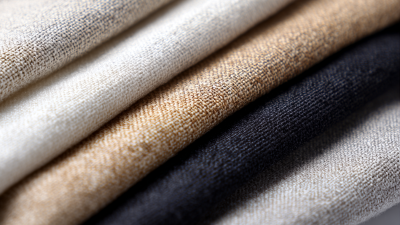
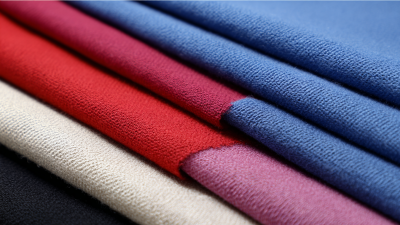
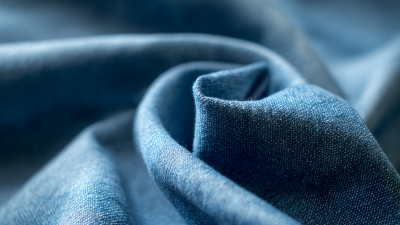
The fabric features a smooth surface on one side and a looped texture on the other.
This makes it versatile for casual wear. It's often used in t-shirts, hoodies, and sweatpants.
The heavier weight provides warmth and comfort in cooler weather. However, it might not be ideal for hot climates.
Care must be taken when washing. Over time, it may lose shape or stretch out.
It’s important to follow care instructions. Despite its many advantages, one must consider the potential drawbacks.
Finding the right balance is essential.
Benefits of Using Thick Single Jersey Fabric
Thick single jersey fabric is known for its comfort and versatility. This material offers a soft feel, which is perfect for casual wear. It is generally heavier than standard jersey, providing warmth during cooler months. The construction of thick single jersey allows for good drape, making it ideal for a variety of clothing styles, from t-shirts to activewear.
Using thick single jersey comes with several benefits. It maintains its shape well, resisting stretching and sagging. This durability means garments last longer, saving money in the long run. Additionally, the fabric’s breathability ensures comfort, even in warmer conditions. Its ability to wick moisture makes it suitable for athletic activities, keeping wearers dry. However, it can be heavier than lighter fabrics, limiting its use in summer clothing. Exploring styles and applications could lead to better choices.
Thick Single Jersey Fabric Overview and Its Best Uses
| Property |
Description |
Best Uses |
| Weight |
Typically 200-300 GSM |
Sweaters, Hoodies |
| Stretchability |
High elasticity due to knit structure |
Activewear, Casualwear |
| Comfort |
Soft against the skin |
Loungewear, T-shirts |
| Breathability |
Good air circulation |
Summer wear, Sports jerseys |
| Durability |
Resistant to wear and tear |
Work clothes, Outdoor gear |
Common Applications of Thick Single Jersey Fabric
Thick single jersey fabric is known for its unique qualities and versatility. One of its common applications is in casual wear. You often find it in t-shirts, hoodies, and lounge pants. The weight of the fabric offers warmth during cooler days, making it a popular choice for year-round comfort. However, finding the right balance between warmth and breathability can be tricky.
Another excellent use for thick single jersey fabric is in activewear. It provides enough stretch for movement while still being sturdy. Gym-goers appreciate the support it offers without compromising on comfort. Nevertheless, some may find it too heavy for high-intensity workouts. It’s essential to consider the activity level before choosing this fabric.
Home textiles also benefit from thick single jersey fabric. It can be used for blankets, pillow covers, or even cushion covers. The soft texture adds coziness to any space. However, using thick fabric may limit design options and may not always match the desired aesthetic. Reflecting on these factors is crucial when selecting the right applications.
Comparison with Other Fabrics
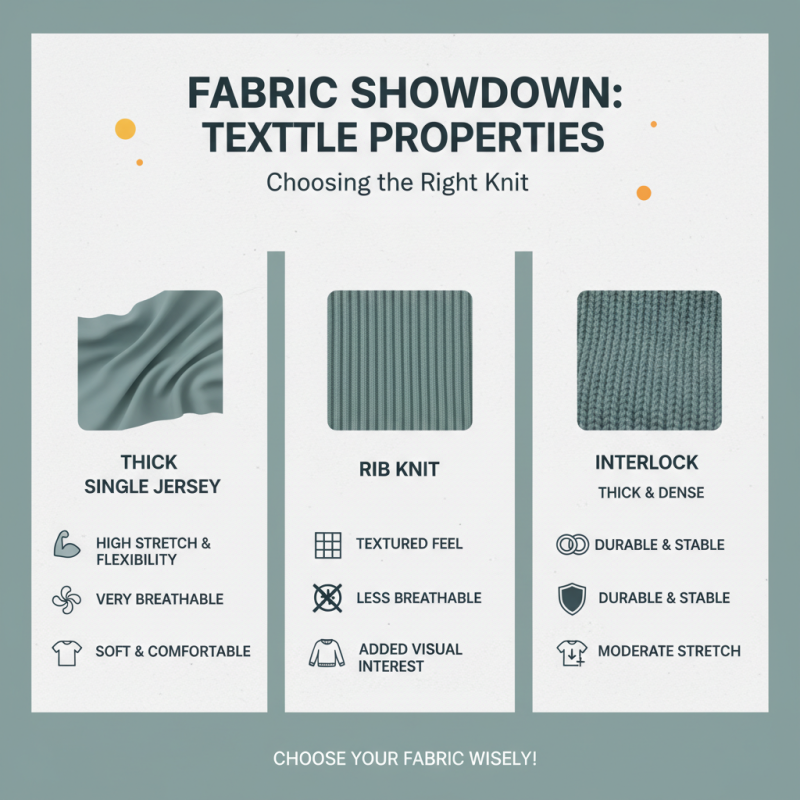
Thick single jersey fabric stands out for its unique properties. It provides excellent stretch and flexibility, making it ideal for comfortable clothing. However, when comparing it with other fabrics, such as rib knit or interlock, differences become apparent. Rib knit offers a more textured feel, adding visual interest to garments. Yet, rib knit can be less breathable than thick single jersey, which may lead to discomfort in warm weather.
Interlock fabric, known for its durability, is heavier than thick single jersey. It resists fraying and offers a luxurious drape. For heavier winter wear, interlock might be preferable. Still, thick single jersey excels in everyday wear due to its softness.
When selecting a fabric for specific uses, the choice depends on the desired feel and functionality. Thick single jersey provides a casual vibe, perfect for t-shirts and dresses. In contrast, rib knit might not always work for fitted styles. Think about the end use. Sometimes, the perfect fabric isn't what you initially envisioned.
Care and Maintenance Tips for Thick Single Jersey Fabric
Thick single jersey fabric is popular for its comfort and stretch. It is widely used in apparel like T-shirts and casual wear. However, the care and maintenance of this fabric require specific attention.
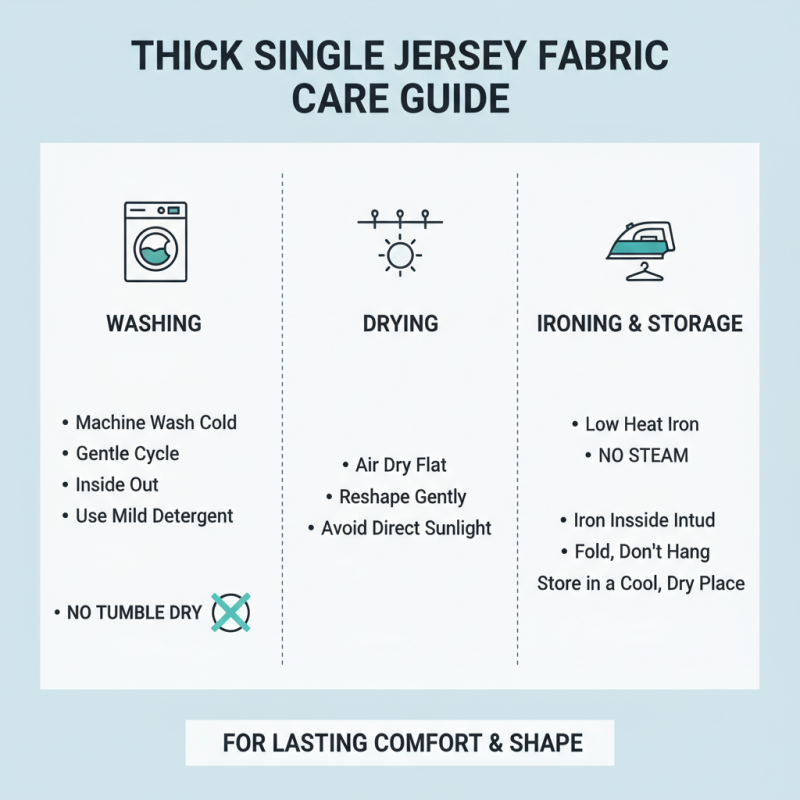
For optimal upkeep, wash thick single jersey items in cold water. This prevents shrinking and color fading. A report from the Textile World Journal indicates that washing at lower temperatures can extend the lifespan by up to 30%. Avoid using fabric softeners, as they can degrade the fibers over time. A gentle cycle is often preferred.
Store items in a cool, dry place. Folding rather than hanging can prevent unwanted stretching. Regular inspections allow you to catch issues early, such as pilling or fading. Remember, while this fabric is durable, it is not impervious to wear. The right care can make a significant difference in the longevity of your garments. Pay attention to these details for better results.