Top Tips for Choosing Knitted Sportswear Fabric for Your Needs?
Choosing the right knitted sportswear fabric is vital for performance and comfort in activewear. The global activewear market is expected to reach $350 billion by 2027, reflecting a growing demand for quality materials. Specialized knitted fabrics play a key role in enhancing athletes' performance by providing breathability, stretch, and moisture-wicking properties.
Research indicates that 70% of athletes prioritize fabric type when selecting their sportswear. This highlights the importance of understanding knitted sportswear fabric and its benefits. Various fibers, such as polyester and spandex, offer distinct advantages for different activities. Athletes should consider factors like durability, weight, and texture when making their choices.
It's essential to acknowledge that not all knitted sportswear fabrics are created equal. Some may lack the necessary performance attributes, leading to discomfort or reduced effectiveness. Thus, careful evaluation based on specific needs and activities is crucial in finding the most suitable knitted sportswear fabric.
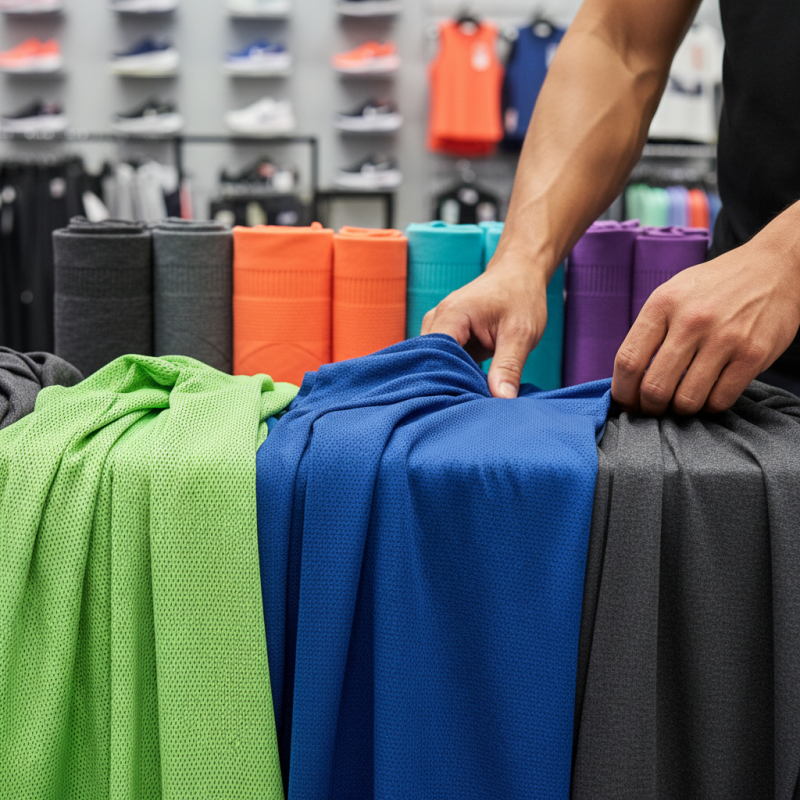
Understanding the Types of Knitted Sportswear Fabrics Available
When selecting knitted sportswear fabrics, understanding the types available is crucial. Various fabrics cater to different activities. For instance, polyester blends are common due to their durability and moisture-wicking properties. According to a 2022 report from the Textile Institute, around 65% of sportswear utilizes synthetic fibers like polyester for optimal performance.
Cotton is another option, though it has its drawbacks. While breathable, cotton retains moisture. This can lead to discomfort during intense workouts. The same report indicates that only 15% of athletes prefer cotton-based fabrics. Meanwhile, spandex is often blended with other materials to provide elasticity. This helps garments retain their shape and promotes ease of movement.
Choosing the right fabric also involves thinking about environmental impact. Sustainable options are gaining traction. A survey by EcoTextiles revealed that 55% of consumers prioritize eco-friendly fabrics. Balancing performance, comfort, and sustainability can be challenging. Finding the right mix may require testing different materials. Decision-making might feel overwhelming, but practical insights can guide selections effectively.
Top Tips for Choosing Knitted Sportswear Fabric for Your Needs
| Fabric Type |
Material Composition |
Moisture Wicking |
Durability |
Best Uses |
| Polyester Knit |
100% Polyester |
Excellent |
High |
Running, Gym Wear |
| Nylon Spandex Blend |
80% Nylon, 20% Spandex |
Good |
Moderate |
Yoga, Gym |
| Cotton Spandex Blend |
95% Cotton, 5% Spandex |
Fair |
Low |
Casual, Leisure Wear |
| Polypropylene |
100% Polypropylene |
Excellent |
High |
Outdoor Sports, Hiking |
| Wool Blend |
70% Merino Wool, 30% Nylon |
Good |
High |
Cold Weather Sports |
Evaluating Fabric Characteristics for Performance and Comfort
Choosing the right knitted sportswear fabric is crucial for achieving optimal performance and comfort. When evaluating fabric characteristics, focus on moisture-wicking properties. Fabrics that manage sweat effectively prevent discomfort during workouts. Look for materials with breathability, as they allow air circulation, keeping you cool. A fabric that retains heat during colder months can also enhance your experience.
Consider the stretchability of the fabric. A good knitted material should offer enough elasticity for unrestricted movement. Pay attention to weight as well; lighter fabrics often feel less constrictive. However, lightweight doesn't always mean durable. Balance is key; you want something that lasts through intense washes and wears while providing comfort.
Softness is another critical factor. A fabric that feels rough against the skin can lead to chafing and irritation. Delicate textures often enhance your experience, especially for long-duration activities. Test various options to find the softness that suits you best. Remember, discovering the ideal fabric might take time and experimentation, but the right choice can significantly elevate your performance.
Performance and Comfort Characteristics of Knitted Sportswear Fabric
Assessing Durability and Care Requirements of Knitted Fabrics
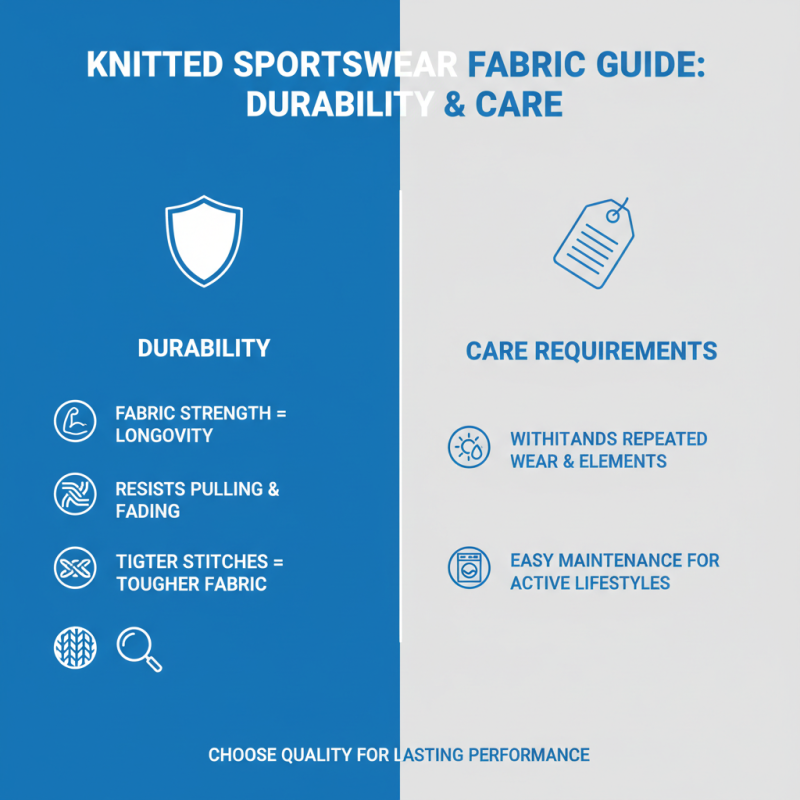
When selecting knitted sportswear fabric, assessing durability and care requirements is crucial. A fabric's strength impacts its longevity. Look for materials that withstand repeated wear and exposure to the elements. High-quality knitted fabrics often resist pulling and fading, essential for active lifestyles. Check the stitch formation; tighter stitches generally indicate better durability.
Care requirements can vary significantly. Some fabrics require special washing conditions, while others are machine washable. It's important to understand the maintenance needs of your fabric choice. Fabrics that need hand washing might not suit frequent use. Think about how often you plan to wash your sportswear. If you’re active, ease of care may outweigh the benefits of a delicate fabric.
Reflecting on these aspects can help narrow your options. Durability is about more than just fabric strength; it includes how easy it is to care for your clothing. Choosing the right knitted fabric means balancing your personal needs with practical considerations. Sometimes, a fabric that looks great may not hold up as expected. Being mindful of these factors will lead to better long-term satisfaction with your selections.
Considering Environmental Impact and Sustainability in Fabric Choice
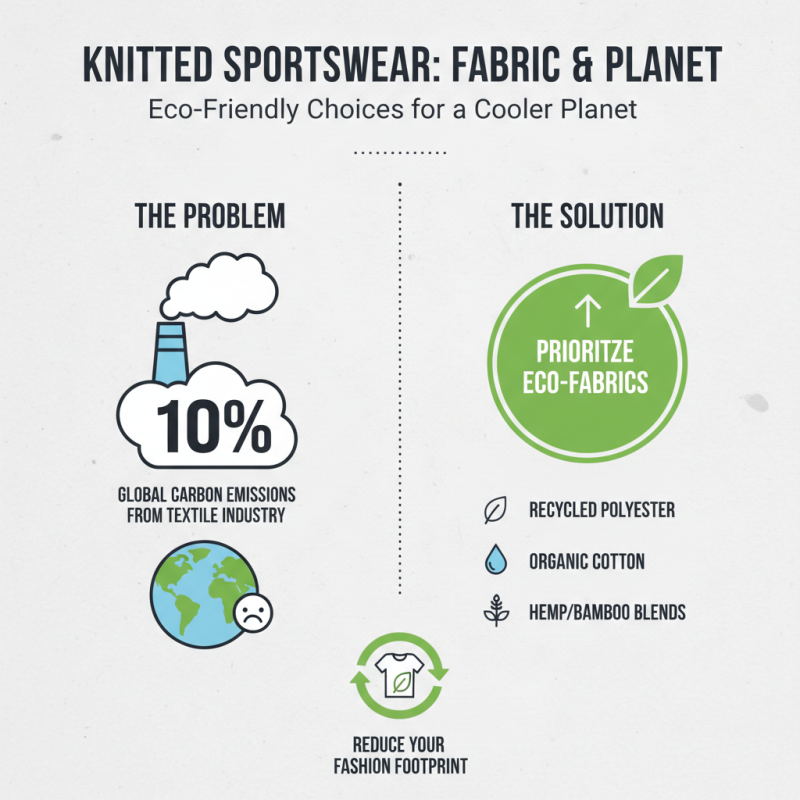
Choosing the right fabric for knitted sportswear involves critical considerations of sustainability. The textile industry contributes approximately 10% of global carbon emissions. Prioritizing eco-friendly fabrics can lessen this impact significantly.
Recycled polyester and organic cotton are notable options. According to industry reports, recycled polyester uses about 70% less energy than virgin polyester. Additionally, organic cotton, free from harmful pesticides, offers a safer alternative to conventional fabric sources. However, sourcing sustainable materials can be challenging. Not all manufacturers maintain transparency in their sourcing practices.
Understand the certifications that indicate sustainability. Look for labels like GOTS or OEKO-TEX, which ensure ethical processes. Adoption of these standards reflects a commitment to environmental responsibility. Yet, consumers should remain cautious, as greenwashing can mislead. It's essential to ask questions about production practices. Engaging with brands can lead to better choices.
Selecting the Right Fabric Weight for Your Sports Activity Needs
When selecting knitted sportswear fabric, fabric weight is a critical factor. The weight of the fabric influences comfort, breathability, and performance. For instance, lighter fabrics (around 120-150 gsm) are ideal for activities like running and cycling. These offer optimal breathability and moisture-wicking properties. According to industry data, 75% of athletes prefer lighter materials for high-intensity workouts.
Heavier fabrics (180-220 gsm) are better suited for cooler conditions or activities requiring more support, like weightlifting. These provide stability and warmth while still allowing movement. Yet, heavier fabrics can feel restrictive, leading to discomfort during extended use. Balancing this trade-off is crucial. Many users find it hard to choose the right weight.
Understanding your specific activity will help narrow down your options. Yoga enthusiasts may lean toward medium-weight fabrics (150-180 gsm) for flexibility. In contrast, outdoor sports may demand varied weights based on climate. It’s vital to consider how these weights impact your experience. Choosing the right fabric can transform your performance. Analyze your needs to avoid regretful decisions later.