Tips for Choosing Thin Single Jersey Fabric for Your Projects?
Choosing the right fabric for your projects can greatly influence the final outcome. Thin Single Jersey Fabric is a popular choice among designers. As Susan Millerick, a renowned textile expert, once stated, "The right jersey can make or break your garment design." Her insights highlight the importance of selecting suitable materials.
Thin Single Jersey Fabric is lightweight and versatile. It drapes beautifully and is comfortable to wear. However, not every thin jersey is created equal. Consider the composition and weight. Every detail matters, from the thread count to the fabric's stretchability. A poor choice can lead to disappointing results, which might not meet your expectations.
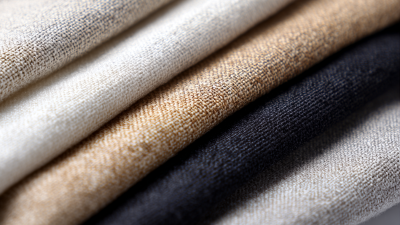
Pay attention to both quality and texture. While it can be tempting to go for lower-cost options, investing in high-quality fabric pays off. The feel of the fabric affects the overall design. Reflect on your project's needs. Thin Single Jersey Fabric can be perfect for t-shirts, but could fall short in structured designs. Choose wisely to avoid regrets.
Understanding Thin Single Jersey Fabric: Key Characteristics
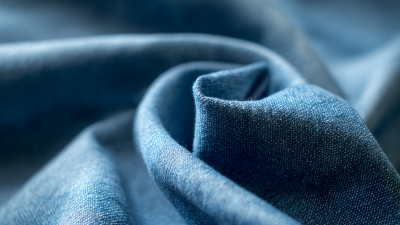
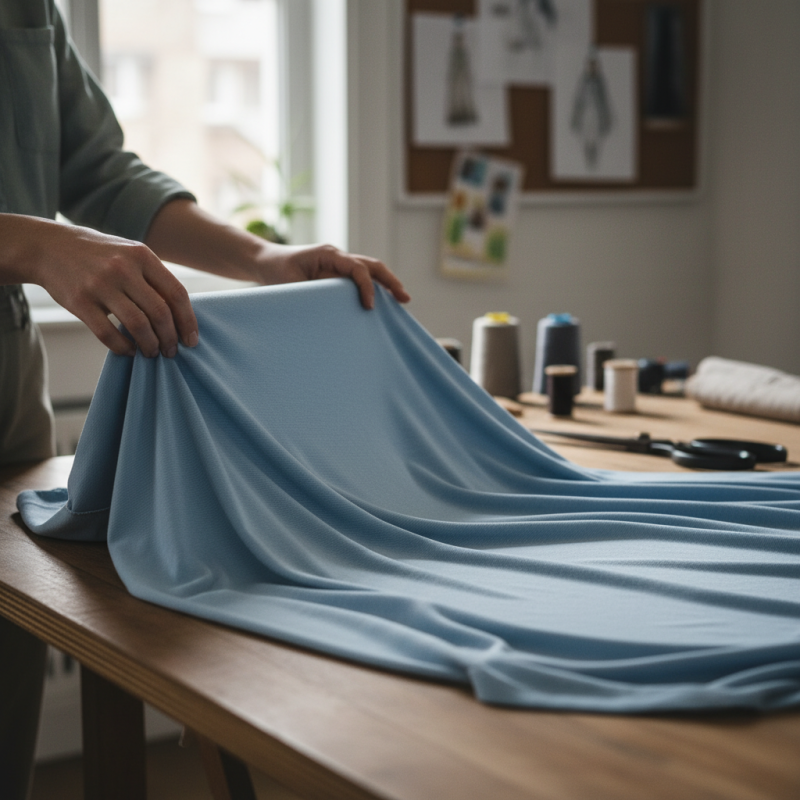
Thin single jersey fabric is a popular choice for various projects. It is lightweight and offers a soft touch. The key characteristics of this fabric include its smooth texture and good stretchability. This makes it comfortable to wear and ideal for casual clothing. Additionally, it breathes well, making it suitable for warmer weather.
When choosing thin single jersey fabric, consider the weight. Light to medium weights can provide different drape qualities. Pay attention to the fabric's stretch as well, since this affects the fit of your final piece. A good tip is to test a small swatch. This way, you can evaluate how it feels against your skin.
Another thing to reflect on is the fabric's opacity. Some thin jerseys may be sheer, requiring careful consideration for layering. For prints and colors, ensure you select hues that won't fade over time. Always check the care instructions as well, as some fabrics may not withstand regular washing. These aspects can significantly influence your project outcome.
Tips for Choosing Thin Single Jersey Fabric for Your Projects
| Characteristic |
Details |
| Composition |
Typically made from cotton, polyester, or a blend |
| Weight |
Lightweight, usually ranging from 120 to 180 GSM |
| Breathability |
Highly breathable, suitable for warm weather |
| Stretch |
Offers good elasticity, often 4-way stretch |
| Softness |
Smooth and soft hand feel, comfortable against the skin |
| Durability |
Moderately durable, suitable for casual wear |
| Common Uses |
T-shirts, dresses, activewear, and undergarments |
Evaluating Fabric Weight: Optimal GSM for Your Project Needs
When choosing thin single jersey fabric, evaluating fabric weight is crucial. The fabric's weight is measured in grams per square meter (GSM). This measurement helps determine how the fabric will behave. For lightweight projects, a GSM between 120 and 160 is ideal. It results in a soft, breathable feel, perfect for summer wear. However, you may find it less durable over time.
Consider your project’s needs carefully. If you're crafting t-shirts or casual wear, a lower GSM could serve well. But for activewear or items requiring more structure, a higher GSM may be better. Selecting the wrong weight might lead to frustrations later. What if the fabric stretches too much? Or lacks the necessary support? These become significant issues.
Experimentation is key. Test swatches for feel and drape. Sometimes, what looks great online may not translate well in person. While a fabric may seem perfect, its performance can vary. Stay open to adjustments. It’s all part of the creative process!
Choosing the Right Fiber Content: Cotton vs. Blends in Jersey Fabrics
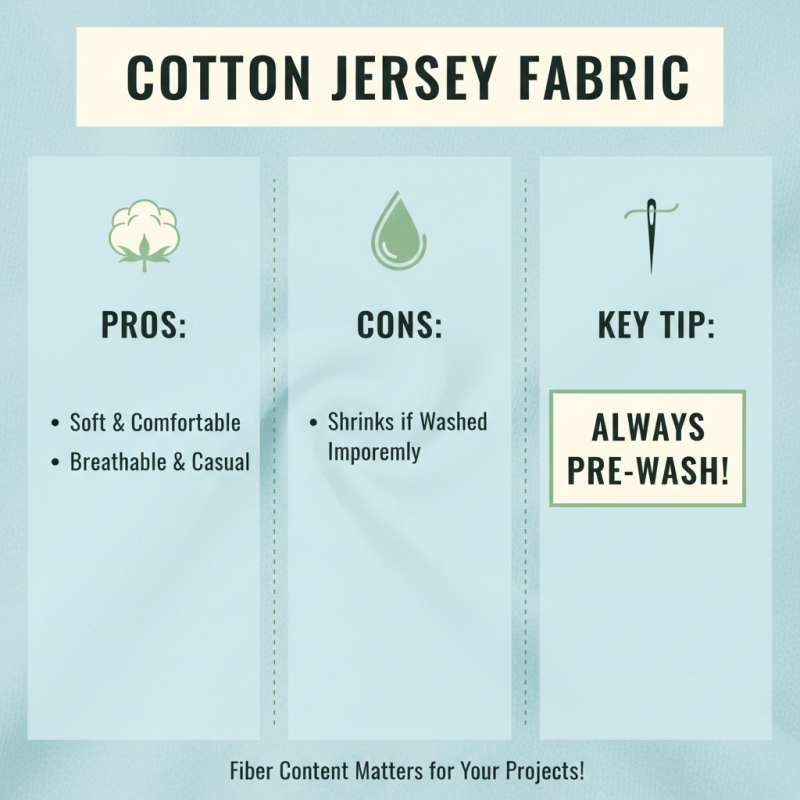
When it comes to choosing jersey fabrics, fiber content significantly impacts your project's outcome. Cotton is a solid choice. It offers softness that many people love. Cotton is breathable and perfect for casual wear. However, it can shrink if washed improperly. Always pre-wash cotton before sewing. This prevents surprises later on.
Blended fabrics, often a mix of cotton and synthetic fibers, have their own advantages. They tend to have better stretch and durability. This makes them ideal for activewear. Yet, they sometimes lack the luxurious feel of pure cotton. Some blends don’t breathe as well. You may find yourself feeling sweaty after wearing them for a long time.
Consider how the fabric feels against your skin. This is crucial for comfort. Think about the purpose of your project, too. If you’re making something for warm weather, cotton might be best. However, for a fitted workout shirt, a blend could prove more effective. Balancing comfort and functionality is key. Remember, experimenting with different types of fabrics can lead to surprising results. Don’t hesitate to try something new.
Assessing Stretch and Recovery: Importance for Garment Fit and Comfort
When selecting thin single jersey fabric, assessing stretch and recovery is critical for achieving the right fit and comfort in garments. Stretch refers to the fabric's ability to expand, while recovery indicates how well it returns to its original shape after being stretched. Studies show that fabrics with at least 25% elastane provide optimal stretch and recovery, ensuring garments maintain their shape over time. This characteristic is essential for activewear, casual tops, and dresses that require both comfort and style.
Tip: Always perform a stretch test. Grab a piece of fabric and pull it. Notice how quickly it returns to its original shape. This instant feedback can help gauge the fabric's suitability for your designs.
Choosing the right fabric can be tricky. Some may have ample stretch but poor recovery, resulting in sagging garments. The ideal blend often mixes cotton with synthetic fibers for durability. A balanced approach can yield stunning results, but not all combinations will work seamlessly. Understanding fabric behavior in real-world scenarios is vital. Regular testing and feedback can lead to more comfortable and well-fitting clothes.
Stretch and Recovery of Thin Single Jersey Fabrics
Sustainability Considerations: Eco-Friendly Options in Jersey Fabric Selection
When selecting thin single jersey fabric for projects, sustainability is a crucial factor. The fashion industry is one of the largest polluters globally, responsible for 10% of carbon emissions. Choosing eco-friendly options becomes imperative in this context. Organic cotton, for instance, uses 91% less water and produces 46% fewer carbon emissions compared to conventional cotton. These statistics highlight the significant impact that fabric choice can have on the environment.
Recycled polyester is another sustainable alternative. According to a recent report, using recycled polyester can lower energy consumption by 30% compared to virgin polyester. It's essential to consider the entire lifecycle of the fabric. While some materials may appear eco-friendly at first glance, their production processes can be detrimental. Certifications like GOTS (Global Organic Textile Standard) or OEKO-TEX® can guide consumers toward better choices. However, understanding what these certifications mean is often a challenge for many.
The dilemma lies in the balance between aesthetics and sustainability. Designers often prioritize look and feel over eco-friendliness. This compromises the long-term goal of reducing fashion's environmental footprint. Exploring local markets and lesser-known producers can uncover hidden gems in sustainable fabrics. Integrating these options into projects fosters a positive change, yet challenges persist in mainstream adoption. Each choice requires reflection on its broader implications.