2026 Top Fashion Knitted Jacquard Fabric Types

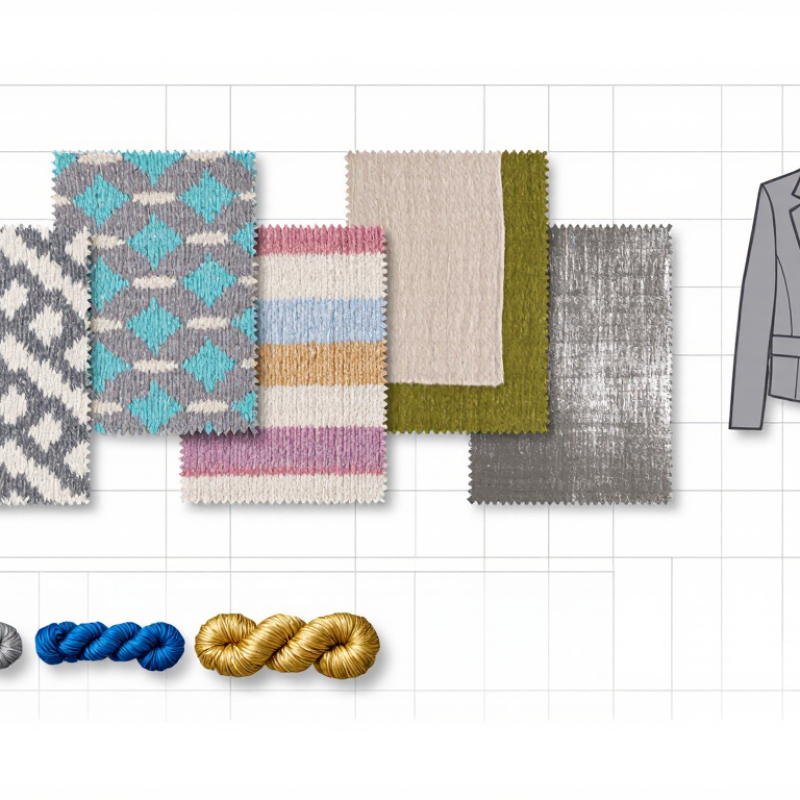
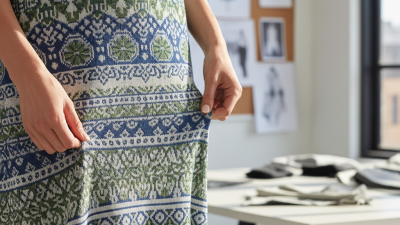
Fashion Knitted Jacquard Fabric is moving beyond decorative winter knitwear. In 2026, designers are exploring cotton-rich jacquards, recycled polyester blends, wool mixtures, metallic yarns, and engineered 3D textures. Each type creates a different surface, weight, stretch, and visual rhythm. A dense floral jacquard may suit a structured jacket, while a lighter geometric knit can improve breathability in a summer dress.

Textile Exchange’s Materials Market Report 2024 reported approximately 124 million tonnes of global fiber production in 2023. It also projected continued growth toward 2030, increasing pressure for traceable and lower-impact materials. Grand View Research identifies knitted fabrics as a major textile category, supported by sportswear, casualwear, and performance apparel demand. These reports do not isolate jacquard knitting perfectly. That limitation matters.

Professor J. W. S. Hearle, a respected textile scientist, described knitting as “the formation of fabric by the intermeshing of loops.” This technical principle explains why Fashion Knitted Jacquard Fabric depends heavily on stitch control, yarn tension, and machine programming. Small errors can create uneven motifs, loose edges, or unwanted distortion after washing. Not glamorous, but real.

This guide examines the top Fashion Knitted Jacquard Fabric types expected to influence 2026 collections. It compares fibers, structures, applications, comfort, durability, and sustainability considerations. Trend forecasts can be useful. They are never perfect. Actual performance still depends on sampling, finishing, testing, and honest supplier communication.

2026 Top Fashion Knitted Jacquard Fabric Types

Definition and Core Features of Knitted Jacquard Fabric

2026 Top Fashion Knitted Jacquard Fabric Types

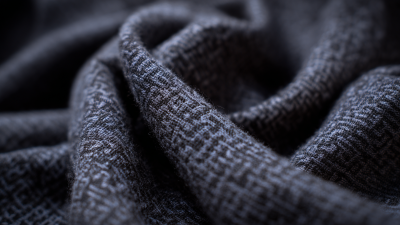
Knitted jacquard fabric is a patterned textile formed by controlling individual knitting needles. Unlike printed cloth, its design becomes part of the fabric structure. Different yarns create geometric motifs, raised surfaces, and color contrasts during knitting. Common forms include single-knit jacquard, double-knit jacquard, rib jacquard, and sweater-weight jacquard. Each type changes the fabric’s drape, warmth, stretch, and recovery.

Its core features are softness, elasticity, dimensional texture, and visual depth. Double-knit jacquard usually feels more stable and substantial. Single-knit versions feel lighter and suit breathable fashion layers. Rib structures add stronger stretch around cuffs, collars, and fitted panels. Textile Exchange’s Materials Market Report 2024 states that global fiber production reached 124 million tonnes in 2023. It could rise to 160 million tonnes by 2030. This growth increases pressure to select fibers carefully and reduce unnecessary sampling.

Experienced fabric developers inspect pattern clarity, loop stability, shrinkage, and colorfastness after washing. A beautiful sample can still distort near seams. That is a common weakness. Yarn tension, stitch density, and fiber blend must work together. Recycled fibers may support lower-impact sourcing, but they can affect softness and strength. Testing remains essential. The International Textile Manufacturers Federation’s 2024 industry data also shows continuing investment in textile machinery and production efficiency. Still, efficiency alone cannot guarantee comfort. A practical assessment should include hand feel, stretch recovery, pilling resistance, and performance after repeated laundering.

Main Types of Knitted Jacquard Fabric in 2026

In 2026, knitted jacquard fabric is developing beyond simple decorative patterns. Its structure, stretch, and surface handle matter equally. Single jersey jacquard remains lightweight and flexible. It suits tops, dresses, and breathable fashion layers. The reverse side may show loose floats, so pattern stability requires careful machine settings. I have found that a softer yarn can improve comfort, but it may reduce sharpness.

Double knit jacquard offers a denser, more stable construction. It works well for structured jackets, skirts, and winter garments. Both sides can display different patterns, giving designers more practical options. Rib jacquard adds vertical texture and controlled stretch. It is useful for cuffs, fitted panels, and body-conscious silhouettes. However, excessive tension can distort the motif after washing.

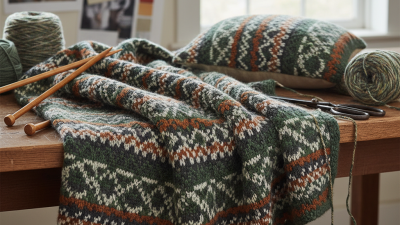
Sweater jacquard creates a warmer, more dimensional appearance. It often combines several yarn colors, raised motifs, or contrast surfaces. This type suits cardigans, pullovers, and textured accessories. Lightweight spacer jacquard is another useful choice for modern clothing. Its layered construction can provide shape without heavy padding. Test it carefully.

Fabric selection should include abrasion, shrinkage, colorfastness, and recovery tests. A sample may look perfect on the cutting table, then change after steaming. That mistake is easy to underestimate. Pattern scale also affects appearance; small motifs can disappear on coarse stitches. In practical development, I would request washed samples before approving production, even when the first hand feel seems convincing.

2026 Top Fashion Knitted Jacquard Fabric Types

The chart compares indicative fabric-weight ranges commonly associated with major knitted jacquard constructions. Single-jersey and mesh jacquards are generally lighter and more breathable, while double-knit, rib, and sweater jacquards typically provide greater structure, warmth, and dimensional stability. Actual weight varies by fiber content, yarn size, stitch density, and finishing process.

Fiber Choices and Production Methods

2026 Top Fashion Knitted Jacquard Fabric Types

Fiber Choices and Production Methods

Fiber selection shapes the hand, appearance, durability, and cost of knitted jacquard fabric. Cotton creates a dry touch and clear color definition. Merino wool adds warmth, stretch recovery, and a soft surface. Viscose offers fluid drape and a gentle sheen, but it may lose strength when wet. Recycled polyester improves dimensional stability and color retention. Nylon can strengthen delicate structures, especially in fitted garments. Blended yarns often perform better than single fibers. No fiber is perfect.

The production method must match the pattern and end use. Single jersey jacquard feels lighter and works well for tops and fashion panels. Double jersey jacquard provides more body and hides reverse-side floats. Electronic needle selection can form precise geometric motifs with controlled color changes. Tuck stitches create relief, while float techniques add contrast without heavy embroidery. Smaller gauges produce sharper details, but they require finer yarn and stricter tension control. Larger gauges feel softer and knit faster.

Sampling reveals problems that drawings cannot show. A dense pattern may curl at the edges or feel too warm indoors. Long floats can catch on jewelry and reduce durability. In one practical test, washing changed the balance between cotton and viscose, making the motif slightly uneven. That result was disappointing, but useful. Measure shrinkage, spirality, pilling, and colorfastness before approving bulk production. Hand inspection still matters. Machines miss subtle stiffness.

Design, Performance, and Application Differences

2026 Top Fashion Knitted Jacquard Fabric Types

Knitted jacquard fabrics now balance decorative surfaces with practical wearability. Single jersey jacquard offers a soft hand and flexible drape. It suits dresses, lightweight tops, and fitted skirts. Its reverse side may show loose floats, so careful finishing matters. Double-knit jacquard feels firmer and more stable. It works well for jackets, structured dresses, and refined casualwear. The extra layer also improves opacity and shape retention.

Design affects performance directly. Geometric motifs usually hold their definition better than very fine organic patterns. High-contrast yarns create visual depth, but they can highlight slight tension changes. I recommend checking stitch density, fabric weight, stretch recovery, and pilling after washing. Test it early. A beautiful sample can still twist at the side seam. That issue is easy to miss during a short fitting.

Warp-knitted jacquard provides sharper stability and cleaner edges than many weft constructions. It can support fitted panels, footwear uppers, and performance-inspired garments. Spacer jacquard adds thickness and air space, making it useful for outer layers and accessories. However, greater volume may reduce drape and increase sewing difficulty. Colorfastness and snag resistance also need laboratory verification. Some suppliers describe fabrics as “premium” without sharing test data. That language is not enough for responsible sourcing. Compare construction records, measured results, and the final garment’s intended movement.

How to Select the Right Knitted Jacquard Fabric Type

For 2026 collections, selecting knitted jacquard begins with the garment’s job, not the pattern alone. A single-jersey jacquard feels light and flexible, making it suitable for tops, dresses, and breathable panels. Choose double-knit jacquard when structure, opacity, and shape retention matter more. Its two connected faces can support jackets, skirts, and refined knit coordinates. Keep it practical. A raised jacquard surface adds depth, but it may snag or lose clarity after repeated abrasion. Interlock jacquard offers a smoother, denser handle for premium-looking garments and cooler-season pieces.

Before approval, request a 30-by-30-centimeter swatch. Check GSM, width, gauge, fiber content, stretch, recovery, and shrinkage after washing. Rub the surface with a test cloth and inspect the reverse side. Loose floats can create weak points during sewing. For fitted garments, measure recovery after five stretch cycles. A fabric that feels perfect on the table may twist after cutting. That happened in one sampling review, and the pattern scale had to be reduced.

Color complexity also affects selection. Fine motifs suit small garments, while large motifs need careful panel placement. Match the fabric to the needle, seam, and finishing method used in production. Ask the mill for test reports, but verify key results independently. Composition deserves honest attention. A soft recycled blend may improve comfort, yet it can show pilling sooner. There is no universal best type. Cost, hand feel, durability, and care requirements must be weighed together.

2026 Top Fashion Knitted Jacquard Fabric Types - How to Select the Right Knitted Jacquard Fabric Type

Knitted Jacquard Fabric Type Typical Construction Common Fiber Content Typical Weight Stretch and Recovery Surface and Appearance Best Fashion Applications How to Select the Right Type
Single Jersey Jacquard Single-knit structure with patterned stitches, color changes, or selected tuck and float effects on one needle bed. Cotton, viscose, polyester, nylon, elastane blends 120–220 g/m² Good crosswise stretch; recovery improves when elastane is included. Lightweight, soft, flexible, and suitable for detailed surface patterns. The reverse side is usually less defined than the face. T-shirts, fashion tops, dresses, lightweight skirts, children's wear, and casual layering pieces. Choose it for breathable, drapey garments and moderate pattern definition. Check curling at cut edges and test the fabric after washing.
Double Jacquard Knit Double-knit structure produced on two needle beds, allowing reversible patterns, stronger fabric stability, and more substantial coverage. Wool, cotton, polyester, viscose, nylon, elastane blends 220–450 g/m² Moderate stretch with better dimensional stability than most single jersey fabrics. Firm, smooth, and often reversible. It provides a cleaner appearance and greater opacity. Structured dresses, jackets, skirts, waistcoats, premium knit tops, and fashion separates. Select it when shape retention, opacity, and a polished appearance are more important than very light weight or maximum drape.
Jacquard Ponte Knit Dense double-knit construction with a smooth, compact face and patterned jacquard effects. Viscose, polyester, nylon, cotton, elastane blends 280–420 g/m² Moderate four-way comfort stretch and generally strong recovery when elastane is used. Compact, smooth, opaque, and resistant to excessive cling. It offers a tailored appearance. Bodycon dresses, pencil skirts, trousers, tailored jackets, and occasionwear. Use it for fitted garments requiring support and a smooth silhouette. Confirm stretch percentage, recovery, and seam performance before production.
Jacquard Sweater Knit Medium- to heavy-weight knit with patterned colorwork or structural motifs, commonly made with a sweater-gauge setting. Wool, acrylic, cotton, recycled polyester, alpaca, blended yarns 300–650 g/m² Variable stretch; warmth and recovery depend strongly on yarn type and knit density. Warm, dimensional, and textured, with possibilities ranging from traditional motifs to large contemporary graphics. Sweaters, cardigans, knitted coats, ponchos, scarves, and cold-weather accessories. Prioritize fiber warmth, pilling resistance, dimensional stability, and shrinkage testing. Use denser structures for outer layers.
Intarsia Jacquard Knit Color areas are knitted into separate sections rather than carrying a yarn continuously across the back. Wool, cotton, acrylic, viscose, polyester blends 220–500 g/m² Low to moderate stretch depending on the base knit and yarn selection. Clean, graphic color blocks with a relatively lighter reverse side than float-based patterning. Statement sweaters, geometric cardigans, graphic knit dresses, and artistic fashion panels. Choose it for large, sharply defined motifs and reduced back floats. Inspect joins between color sections and test for distortion during blocking.
Birdseye Jacquard Knit Small repeating two-color or multi-color motifs created by interchanging knit and purl or color positions. Wool, cotton, polyester, acrylic, viscose blends 180–350 g/m² Moderate stretch with a stable appearance when knitted at a suitable density. Fine dotted or diamond-like patterning that can create a subtle textured visual effect. Smart-casual tops, knit blazers, skirts, dresses, uniforms, and refined accessories. Select it for discreet texture and repeated motifs. Match yarn contrast carefully because low contrast can soften the pattern while high contrast increases visual impact.
Double Pique Jacquard Jacquard patterning combined with a pique-inspired knit surface, producing a more structured and breathable texture. Cotton, polyester, viscose, nylon, elastane blends 180–320 g/m² Low to moderate stretch; elastane can improve comfort and recovery. Textured, breathable, and more structured than a smooth jersey. It can conceal minor wrinkles and surface irregularities. Polo shirts, structured tops, casual dresses, skirts, sports-inspired fashion, and lightweight jackets. Choose it when you need surface texture, airflow, and a more stable hand feel. Check snag resistance and colorfastness for active or frequently washed garments.
Jacquard Rib Knit Rib-based knit with alternating knit and purl columns combined with patterned color or stitch arrangements. Cotton, viscose, polyester, nylon, wool, elastane blends 180–400 g/m² High crosswise stretch; recovery varies according to rib ratio, yarn, and elastane content. Clearly visible vertical or horizontal rib texture with a flexible, body-following handle. Fitted tops, body-skimming dresses, cuffs, waistbands, collars, knit dresses, and fashion trims. Use it for comfort and close-fitting silhouettes. Evaluate growth after wear, edge recovery, and whether the pattern remains aligned at seams.
Jacquard Cable Knit Patterned knit combining jacquard color effects with raised cable or twist structures. Wool, cotton, acrylic, alpaca, recycled polyester blends 350–700 g/m² Low to moderate stretch with substantial thickness and warmth. Raised, three-dimensional surface with strong visual texture and a pronounced tactile character. Winter sweaters, cardigans, knit jackets, dresses, scarves, and premium cold-weather accessories. Select it for texture and insulation rather than lightweight drape. Check garment weight, seam bulk, pilling, and dimensional stability after laundering.
Jacquard Mesh Knit Open or semi-open knitted structure with patterned areas formed through color, tuck, miss, or float stitches. Polyester, nylon, recycled polyester, cotton, elastane blends 90–220 g/m² Moderate to high stretch depending on the base structure and elastane content. Lightweight, breathable, and partially transparent, with openwork or patterned ventilation zones. Evening overlays, fashion tops, sports-inspired garments, inserts, cover-ups, and layered dresses. Choose it for breathability and visual transparency. Specify the required opacity, snag resistance, stretch direction, and lining strategy before cutting.
Jacquard Scuba or Neoprene-Style Knit Compact double-knit fabric with a smooth, resilient hand and a jacquard pattern integrated into the knitted structure. Polyester, nylon, elastane blends 280–500 g/m² Moderate two-way or four-way stretch with good body and recovery. Smooth, firm, opaque, and slightly cushioned; it supports sculptural shapes. Structured dresses, peplum tops, skirts, cropped jackets, fashion accessories, and statement silhouettes. Select it for clean edges and shape control. Check breathability, heat retention, edge thickness, and whether the fabric is suitable for the intended season.
Recycled-Fiber Jacquard Knit Any jacquard knit structure made partly or fully with recycled yarns, usually using the same construction principles as conventional knits. Recycled polyester, recycled nylon, recycled cotton, regenerated cellulosic fibers, blends 120–450 g/m² Varies by construction; elastane and yarn quality determine recovery. Appearance ranges from smooth jersey to textured double knit. Fiber origin does not by itself determine surface performance. Contemporary casualwear, athleisure, swimwear covers, dresses, knit separates, and environmentally focused collections. Evaluate the actual fabric performance rather than relying only on recycled content. Request fiber composition, colorfastness, pilling, shrinkage, and recovery test results.