Top 10 Knit Fabric Options for Global Buyers in 2026?
In the ever-evolving textile market, knit fabric stands out for its versatility and comfort. As global buyers prepare for 2026, understanding the top knit fabric options becomes essential. Knit fabrics are not just about aesthetics; they play a crucial role in sustainability and innovation in the fashion industry. With increasing demand for eco-friendly materials, manufacturers are focusing on sustainable production methods.
However, the sheer variety can be overwhelming. Each type of knit fabric serves a unique purpose, from athletic wear to fashion apparel. Some fabrics may excel in breathability while others offer stretch. This diversity raises questions. Which options are truly the best for your needs? Knowledge and texture matter in this decision-making process.
Buyers must be prepared to reflect on their priorities. Comfort is vital, but so is durability. Trends are shifting rapidly, and buyers need to stay informed. By exploring the top knit fabric options, global buyers can make knowledgeable choices that align with their market demands.
Trends in Knit Fabric Varieties for Global Markets in 2026
As the global knit fabric market evolves, several trends for 2026 emerge. Sustainable materials are gaining traction. Buyers seek eco-friendly options, driven by consumer awareness. Biodegradable fibers and recycled yarns are increasingly popular. These alternatives reduce environmental impact and meet changing consumer preferences.
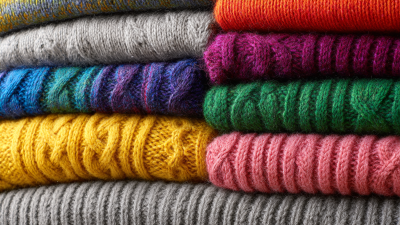
Another notable trend is the rise of innovative textures and patterns. Unique knits with three-dimensional effects attract attention. Buyers desire styles that stand out in a crowded market. Varieties like jacquard and waffle knits offer a visual appeal. Such options provide versatility and creative freedom in design.
Furthermore, performance knits remain essential in many sectors. Fabrics that offer breathability and moisture-wicking are in demand. Athletes and fitness enthusiasts seek comfortable options. Yet, many suppliers struggle to keep up with the latest technological advancements. As the market evolves, staying informed is crucial. Expertise in knit fabric innovations will help buyers navigate these trends successfully.
Sustainability and Eco-Friendly Options in Knit Fabrics
In 2026, knit fabric options will increasingly focus on sustainability. Buyers are looking for materials that support eco-friendly practices. Recent advancements in technology have made sustainable fabrics more accessible. Organic cotton and recycled polyester are leading choices for conscious consumers. They reduce waste and dependence on non-renewable resources.
However, the market faces challenges. Not all brands prioritize sustainability. Some may use misleading labels. Buyers need to remain vigilant and do their research. Certifications can help, but they are not always perfect. Transparency in the supply chain is crucial for informed decisions.
Eco-friendly knit fabrics offer unique textures and colors. They provide both comfort and style without harming the environment. A variety of options is emerging, such as hemp and Tencel. These materials show promise, yet we must question their production methods. Exploring these aspects will ensure that choices made today contribute positively to our planet.
Top 10 Knit Fabric Options for Global Buyers in 2026 - Sustainability and Eco-Friendly Options in Knit Fabrics
| Fabric Type |
Sustainability Rating |
Material Sources |
Common Uses |
Features |
| Organic Cotton |
High |
Certified Organic Farms |
Apparel, Home Textiles |
Breathable, Soft |
| Recycled Polyester |
Medium |
Post-Consumer Plastic Bottles |
Activewear, Swimwear |
Durable, Quick-Drying |
| Hemp Fabric |
High |
Hemp Plant |
Clothing, Accessories |
Biodegradable, UV Resistant |
| Tencel (Lyocell) |
High |
Sustainable Wood Pulp |
Fashion, Home Goods |
Soft, Moisture-Wicking |
| Bamboo Fabric |
Medium |
Bamboo Grass |
Activewear, Linens |
Antibacterial, Breathable |
| Linen |
High |
Flax Plant |
Summer Clothing, Tablecloths |
Cool, Strong |
| Circulose |
High |
Recycled Textile Waste |
Trendy Fashion Items |
Soft, Versatile |
| Econyl (Recycled Nylon) |
Medium |
Recycled Fishing Nets |
Activewear, Swimwear |
Durable, Stretchy |
| Peace Silk |
High |
Silk Worms, Ethical Practices |
Luxury Fashion |
Soft, Elegant |
| Recycled Wool |
Medium |
Post-Consumer Wool Garments |
Outerwear, Sweaters |
Warm, Resilient |
Technological Innovations Shaping Knit Fabric Production
Technological innovations are transforming the knit fabric industry in profound ways. Advances in knitting machinery allow for greater precision and efficiency. These high-tech machines can produce intricate patterns and textures that were difficult to achieve previously. Digital knitting platforms now enable designers to create unique designs rapidly. They rely less on trial and error and more on digital simulations.
Sustainability is gaining traction in knit fabric production. New materials derived from recycled plastics and sustainably sourced fibers are now available. The growing demand for eco-friendly options challenges manufacturers to rethink traditional practices. However, transitioning can be complex. Costs and supply chain adjustments often slow progress.
Consumer expectations are evolving. Instant gratification is now the norm in fashion. This urgency pressures manufacturers to balance speed and quality. Innovations in dyeing techniques are one potential solution. These methods reduce water usage and toxicity. Yet, they may not match the vibrancy of traditional methods. This raises questions about authenticity and quality. The challenge lies in meeting diverse consumer demands while ensuring sustainability.
Regional Preferences and Demands for Knit Fabrics Worldwide
The global market for knit fabrics is increasingly diverse. Different regions show varied
preferences and demands. In Europe,
eco-friendly options are gaining traction. Consumers seek sustainable materials
that reduce environmental impact. Organic cotton and recycled fibers are popular
in this market.
In Asia, the demand shifts towards
versatility. Synthetic blends are favored for their durability
and affordability. Markets in this region often prioritize functionality. This reflects a
broader trend where buyers want fabrics that can serve multiple purposes. South America shows a taste for
vibrant colors and patterns. Local designers often emphasize cultural
motifs, blending tradition with modern styles.
Challenges arise in meeting these diverse demands. Manufacturers must adapt to regional preferences quickly.
Sourcing sustainable materials while maintaining quality can be complex. Balancing cost and
variety remains a critical dilemma. Understanding local trends deeply is essential for
successful market penetration.
Key Manufacturers and Brands Leading the Knit Fabric Industry in 2026
The knit fabric industry is poised for significant growth by 2026. Several key manufacturers are expected to dominate the market, driven by rising demand for sustainable and innovative materials. According to recent market reports, the global knit fabric market is projected to exceed
USD 40 billion by 2026. This growth reflects an increasing consumer preference for comfort and versatility in apparel.
Leading companies are focusing on eco-friendly production methods. Innovations in technology are enhancing fabric quality, making them more durable and breathable. For instance, advancements in knitting techniques have led to lighter and stretchier fabrics, appealing to athletic and casual wear segments. However, challenges persist in the supply chain, with fluctuations in material costs creating potential hurdles for manufacturers.
The competitive landscape is evolving. Many emerging brands are gaining traction due to unique product offerings. Consumer awareness around textile sustainability is reshaping purchasing decisions. Small to medium enterprises are leveraging niche markets to differentiate themselves. Despite the promising outlook, manufacturers must address increasing regulatory pressures regarding environmental impact. Balancing profitability with responsibility remains a crucial objective in 2026.