Top 10 Knitted Apparel Fabrics for Global Buyers to Consider?
In the ever-evolving world of fashion, choosing the right materials is crucial. "Knitted Apparel Fabric" stands out, offering versatility and comfort. According to Emily Chen, an industry expert and fabric technologist, “The right fabric can make or break a garment.” This statement underscores the importance of fabric selection in apparel design.
Global buyers are increasingly aware of the fabrics they choose. Knitted fabrics provide unique properties, such as elasticity and breathability. However, not all knitted fabrics are created equal. Buyers must carefully assess their needs and the specific qualities of each fabric type. For example, cotton blends provide softness, while synthetic fibers offer durability.
It’s also essential to consider the sustainability of materials. Eco-friendly options are gaining traction in many markets. While these choices can sometimes limit style options, they are increasingly appealing to conscious consumers. This dynamic leaves buyers with a complex decision-making process filled with both opportunities and challenges. Each choice reflects personal and brand values while navigating global consumer trends.
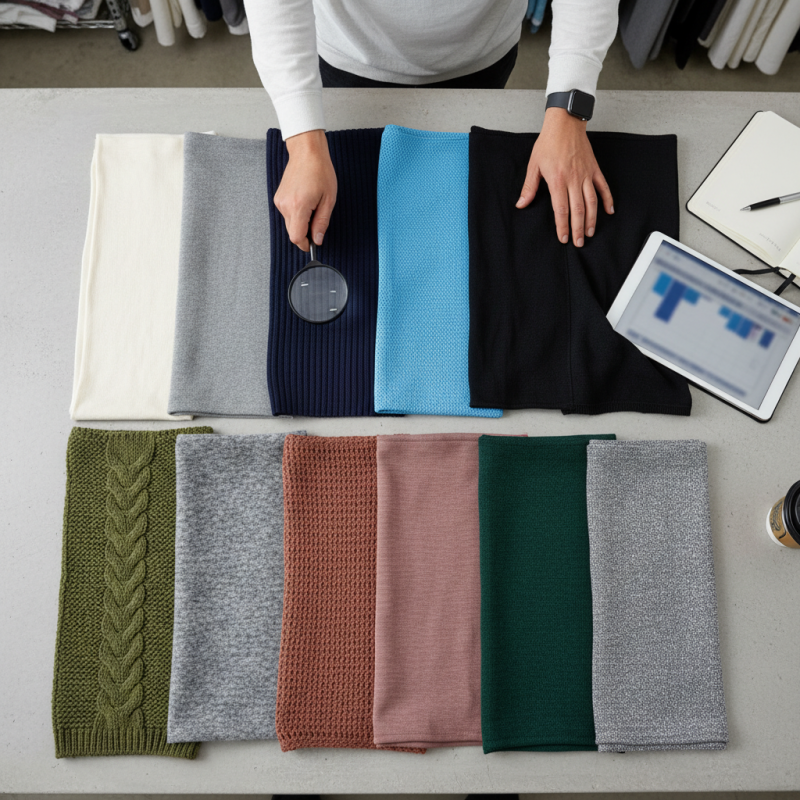
Overview of Knitted Apparel Fabrics in the Global Market
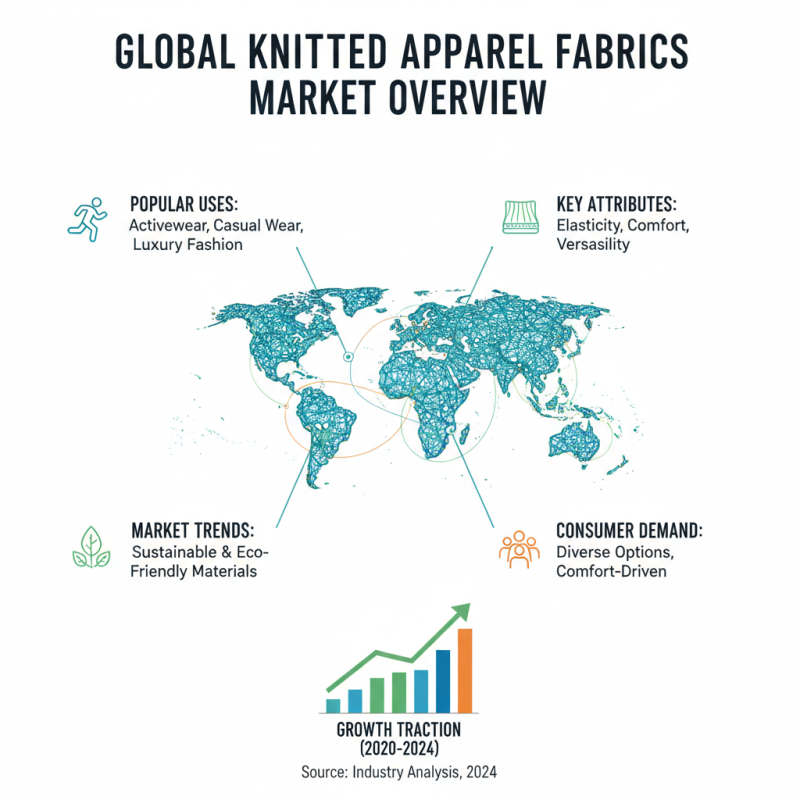
The global market for knitted apparel fabrics is vibrant and diverse. Buyers have various options that cater to different preferences and needs. Knitted fabrics, known for their elasticity and comfort, have gained traction in recent years. They are widely used in activewear, casual wear, and luxury fashion. The increasing demand for sustainable and eco-friendly materials is also influencing choices.
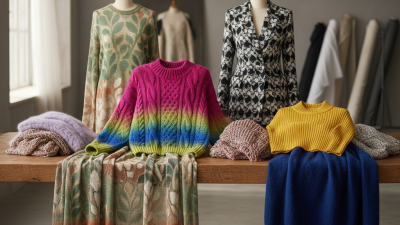
Key fabrics include jersey, ribbed, and interlock knits. Jersey offers a soft touch, ideal for T-shirts and dresses. Ribbed knits provide texture and structure, commonly seen in sweaters and leggings. Interlock fabric is thicker, making it perfect for colder climates. However, not all options meet sustainability standards. Buyers may feel overwhelmed by choices. The balance between quality and cost often leads to compromises.
Competitors in the fabric market are innovative but face challenges. Supply chain disruptions can lead to inconsistencies. Furthermore, some manufacturers prioritize price over quality, raising concerns for buyers. It’s crucial to assess the origin and production methods of these fabrics. Transparency in sourcing is key to making informed decisions.
Key Characteristics of Popular Knitted Fabric Types
When considering knitted apparel fabrics, understanding their unique characteristics is essential. Cotton, for instance, is soft and breathable. Its versatility makes it ideal for various clothing types, from casual wear to undershirts. However, cotton can lose shape over time, requiring careful maintenance.
Wool is another popular option. Its natural insulation keeps wearers warm in cold weather. Wool also has moisture-wicking properties, making it suitable for activewear. Yet, it can be itchy for some, which may limit its appeal.
As for synthetic fibers, polyester is widely used in knitted fabrics. It’s durable and resists shrinking and wrinkles. Polyester can mimic the feel of natural fibers, providing versatility in design. However, it might lack breathability compared to natural options, leading to discomfort in hot climates. Understanding these characteristics empowers buyers to make informed choices that meet their specific needs in the global market.
Sustainability Trends in Knitted Apparel Fabrics
Sustainability is reshaping the textile industry. As global buyers seek knitted apparel, they prioritize eco-friendly materials. Awareness of environmental impacts drives demand for sustainable fabrics. Organic cotton, bamboo, and recycled polyester are popular choices. These materials reduce carbon footprints and promote ethical production practices.
The knitting process itself offers more sustainable options. Designers explore zero-waste techniques and energy-efficient machinery. This movement has challenged traditional practices, pushing for innovation. However, implementing these changes can be tricky. Many manufacturers struggle to balance cost and sustainability. The transition requires investment and commitment to ongoing education.
Transparency in sourcing is crucial for buyers. Knowing where and how materials are produced influences purchasing decisions. Brands must communicate their sustainability efforts clearly. Failing to do so can result in skepticism from consumers. Ultimately, sustainability in knitted apparel is a journey, not a destination. Each step taken is a reflection of evolving values and commitment to the planet.
Top 10 Knitted Apparel Fabrics for Global Buyers to Consider
This chart illustrates the sustainability ratings of the top 10 knitted apparel fabrics. Buyers can consider these fabrics based on their environmental impact, with higher ratings indicating more sustainable options.
Technological Innovations in Knitting Processes and Materials
The world of knitted apparel is rapidly evolving due to technological innovations. Advanced knitting machines enable intricate designs and patterns that were previously difficult to achieve. These machines are equipped with computer-aided technology, allowing for seamless production and a faster turnaround time. This means that global buyers can access unique fabrics tailored to market trends quickly.
It's essential to remain updated on these advancements. Buyers should consider the type of knitting techniques used in production. Jacquard knitting, for instance, offers detailed patterns that can elevate apparel design. Moreover, the introduction of sustainable yarns has changed the game. Eco-friendly materials are gaining traction, appealing to environmentally conscious consumers.
**Tips:** Always ask suppliers about their knitting technology. Knowing the capabilities of the machines can lead to better fabric choices. Explore various yarns for your projects. A variety of textures can make a significant difference. Lastly, keep an eye on emerging trends. Adapting to changes will keep your offerings fresh and relevant.
Market Demand: Regional Preferences for Knitted Fabrics
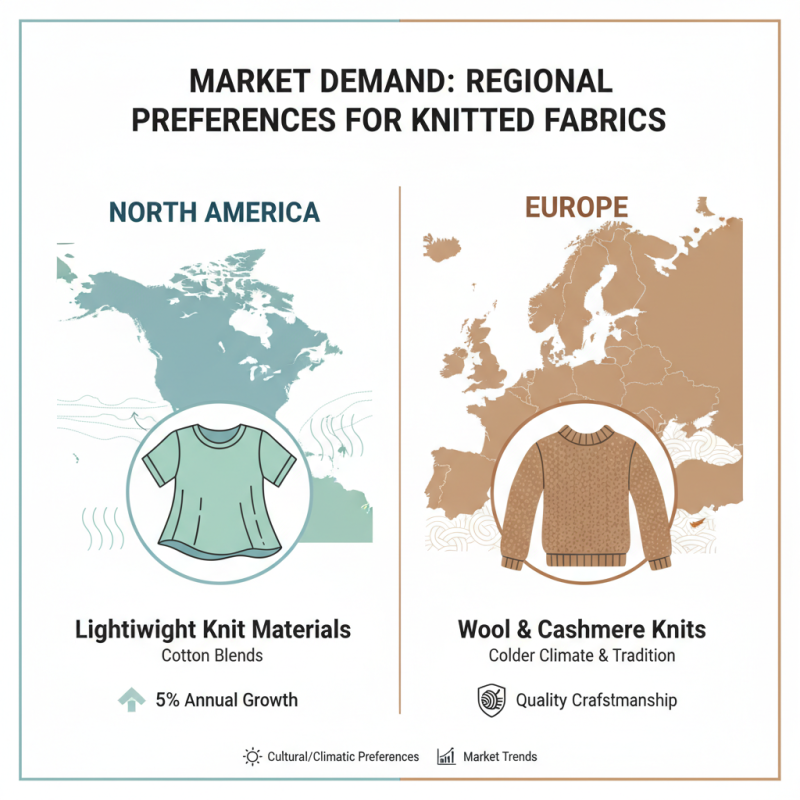
The demand for knitted fabrics varies across regions due to cultural and climatic preferences. In North America, consumers favor lightweight knit materials, especially cotton blends. Reports indicate a steady increase in demand for these fabrics, projected to grow by 5% annually. In Europe, on the other hand, wool and cashmere knits dominate the market. This preference aligns with the colder climate and a tradition of quality craftsmanship.
In Asia, versatility is key. Many buyers look for innovative performance fabrics that offer moisture-wicking and stretch. The Asian market is expected to expand by 7% in the coming years, driven by the athleisure trend. Manufacturers must adapt quickly to these trends to remain competitive.
Tips: Don’t forget to consider local climate and culture when selecting fabrics. Understanding these factors can lead to better product alignment. Also, staying updated with market reports can help in forecasting trends. Emotional appeal is essential; fabrics must resonate with regional sensibilities to succeed.