Top 10 Knitting Fabric Types in China What You Need to Know

The demand for knitting fabric in China has surged in recent years, driven by the growing textile industry. According to the China National Textile and Apparel Council, the knitting fabric market reached approximately $15 billion in 2022, showing a steady annual growth rate of 5%. Industry expert Dr. Li Wei states, "The future of knitting fabric lies in innovation and sustainability."

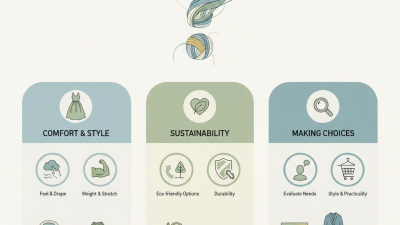
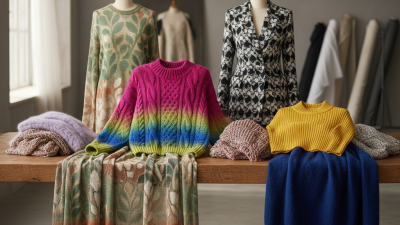
China's vast array of knitting fabric types offers unique qualities for various applications. From soft cotton blends to durable synthetic fibers, the options are endless. Each type has distinct characteristics, impacting everything from texture to durability. Notably, eco-friendly materials are becoming increasingly popular among consumers and manufacturers alike, pushing traditional fabric types to reconsider their environmental footprint.

However, challenges remain in the industry. The competition is fierce, and quality control can vary widely among manufacturers. As the market grows, stakeholders must focus on both innovation and ethical practices to sustain success. This delicate balance is essential in navigating the evolving landscape of knitting fabric in China.
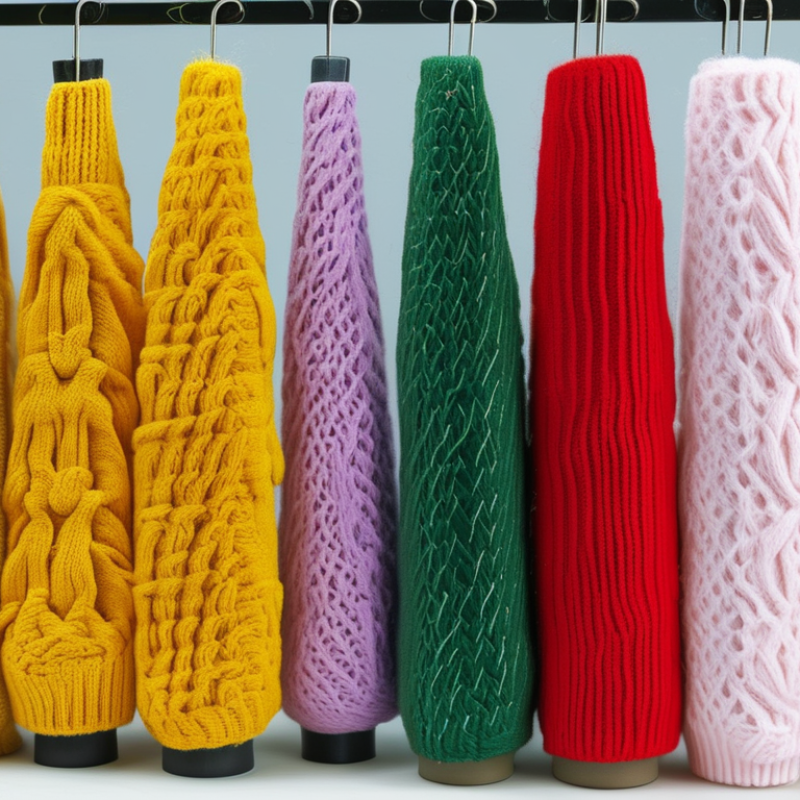
Top 10 Knitting Fabric Types in China What You Need to Know

Understanding Knitting Fabrics: An Overview of Types

Knitting fabrics are essential in the textile industry. In China, various types of knitting fabrics cater to different needs. Cotton knitting fabric is favored for its comfort and breathability. According to a report by Technavio, the cotton knitting market is projected to grow significantly by 2025, driven by consumer demand for sustainable materials.

Wool and synthetic blends also dominate the knitting landscape. Wool offers warmth and elasticity, appealing for colder climates. Meanwhile, polyester and nylon blends are prized for their durability and water resistance. A study from Grand View Research highlights that synthetic knitting fabrics are gaining traction due to their versatility in various applications.

While the variety of knitting fabrics is impressive, challenges persist. Quality control can vary from region to region. These inconsistencies affect the final product. With rapid growth in the knitting sector, manufacturers must adapt by enhancing production techniques. Understanding the nuances of these fabrics will help buyers make informed decisions in a competitive market.
Key Characteristics of Popular Knitting Fabrics in China

When exploring knitting fabrics in China, understanding their key characteristics is essential. Cotton is a popular choice. It’s breathable and soft. However, it lacks the elasticity found in other materials. Wool is widely favored for its warmth. But, it can be itchy for some users. Synthetic blends, such as polyester, offer durability and resistance to wrinkles. Yet, they may not have the same comfort level as natural fibers.

Linen stands out for its durability and natural luster. It dries quickly, which is a bonus for summer garments. On the downside, linen can wrinkle easily. Cashmere is luxurious and incredibly soft, making it ideal for high-end products. However, it requires delicate care. The variety of knitting fabrics can be overwhelming.

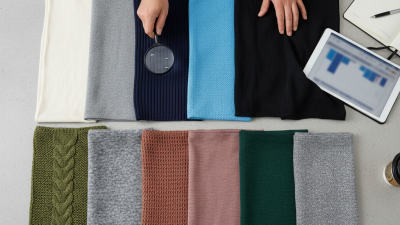
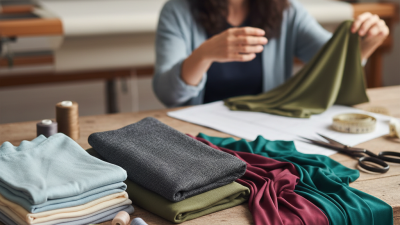
Here are some tips: Always swatch before committing to a project. Different yarns can behave unexpectedly. Consider the end use of your project; this decision guides fabric selection. Don't overlook personal comfort when choosing fibers. What feels good to one may irritate another. Explore local markets for unique textures; they often provide interesting alternatives to mainstream options.

Top 10 Knitting Fabric Types in China

Fabric Type Key Characteristics Common Uses
Cotton Knits Soft, breathable, highly absorbent T-shirts, dresses, baby clothes
Wool Knits Warm, elastic, moisture-wicking Sweaters, scarves, hats
Acrylic Knits Lightweight, durable, affordable Comfort wear, blankets, toys
Silk Knits Luxurious, shiny, drapes beautifully Evening wear, blouses, lingerie
Bamboo Knits Eco-friendly, soft, antibacterial T-shirts, undergarments, baby products
Polyester Knits Strong, quick-drying, wrinkle-resistant Activewear, swimwear, sports gear
Nylon Knits Durable, stretchy, lightweight Leggings, sports bras, stockings
Cashmere Knits Super soft, warm, luxurious Sweaters, outerwear, accessories
Linen Knits Breathable, strong, has a crisp texture Summer clothing, home textiles
Modal Knits Soft, drapes well, moisture-wicking Casual clothing, undergarments

Comparative Analysis of Natural vs. Synthetic Knitting Fabrics

When comparing natural and synthetic knitting fabrics, the differences are striking. Natural fibers, like cotton and wool, are highly breathable. They allow moisture to evaporate, which can enhance comfort. According to the Textile Research Journal, natural materials can absorb up to 30% of their weight in moisture. This property is what many knitters look for in creating garments suited for various climates.

On the other hand, synthetic fabrics, such as polyester and nylon, are not as breathable. However, they are resilient and weather-resistant. Reports indicate that synthetic fibers have gained popularity, making up over 60% of the global market share in recent years. Their durability makes them ideal for heavy-wear items, but they can trap heat, leading to discomfort during warm weather. A growing number of consumers express concerns about the environmental impact of synthetic fibers, prompting a reevaluation of their use.

Knitting with both natural and synthetic materials presents unique challenges. Natural fibers may shrink or stretch, requiring careful handling. In contrast, synthetic options may lack the desired tactile quality that many crafters seek. Understanding the properties of each type is essential for successful knitting projects. Balancing comfort, aesthetics, and environmental impact remains an ongoing conversation in the knitting community.

Applications and Uses of Different Knitting Fabrics

Knitting fabrics in China show diverse applications across various industries. The textile industry represents about 8% of China's GDP, illustrating its significant economic impact. Knitting fabrics, particularly jersey and rib knits, are widely used for apparel. These fabrics provide comfort and flexibility, making them ideal for activewear and casual clothing. According to recent industry reports, the demand for functional knitting fabrics has surged, especially in sportswear markets, which are expected to hit $600 billion globally by 2025.

Bamboo fibers are gaining popularity due to their eco-friendly characteristics. They are moisture-wicking and breathable, great for summer clothing. This shift aligns with consumer preferences for sustainable options. Nonetheless, challenges remain, like sourcing consistency and price volatility. In the home textile sector, knitted fabrics are used in bed linens and upholstery. Reports show that the home textile market in China has seen a growth rate of 5% annually, indicating a rising interest in quality and design.

Industrial applications include protective clothing and automotive textiles. These fabrics offer durability and resistance to wear. Yet, they often require specialized knitting techniques, leading to higher production costs. Manufacturers are exploring ways to enhance fabric longevity without sacrificing comfort. Overall, the sector is evolving rapidly, reflecting changing consumer needs and technological advancements.

Trends in Knitting Fabric Production in China and Global Impact

Knitting fabric production in China is evolving rapidly. The industry is embracing innovative techniques and sustainable practices. This aligns with global trends towards eco-friendly materials. Farmers in China are now focusing on organic yarn production. This shift enhances the quality of knitting fabrics.

Experts note that there's a growing demand for diverse fabric types. Cotton, wool, and synthetic blends are leading the market. However, the production process can be questionable. Poor practices can impact both quality and the environment. It's crucial for manufacturers to adopt better standards.

Trade policies also influence knitting fabric supply chains. Tariffs can disrupt exports and affect manufacturers. In response, companies are exploring local sourcing. This could reduce costs and improve turnaround times. Adapting to these changes requires continuous learning and flexibility. The future of knitting fabrics in China hinges on embracing innovation while maintaining ethical practices.