Top 10 Thick Suit Fabric Options for Global Buyers?
The demand for thick suit fabric is rising globally. According to a report by Grand View Research, the global menswear market is projected to surpass $700 billion by 2025. This growth is driven by an increasing preference for high-quality materials, especially in formal attire. Thick fabrics play a vital role in providing warmth, comfort, and durability, which are essential for tailored suits.
Moreover, the nuances in fabric composition impact performance and style. Fabrics such as wool, tweed, and velvet are popular choices for upscale suits. However, choosing the right fabric can be challenging for buyers. Many might overlook longevity and maintenance, which are crucial factors. For instance, while cashmere offers luxury, it requires more care than wool.
A buyer’s choice of thick suit fabric can also reflect their personal style and professionalism. Understanding the various materials can help buyers make informed decisions. It’s essential to balance aesthetics with practicality. In a fast-evolving market, awareness of these details is vital for successful purchases.
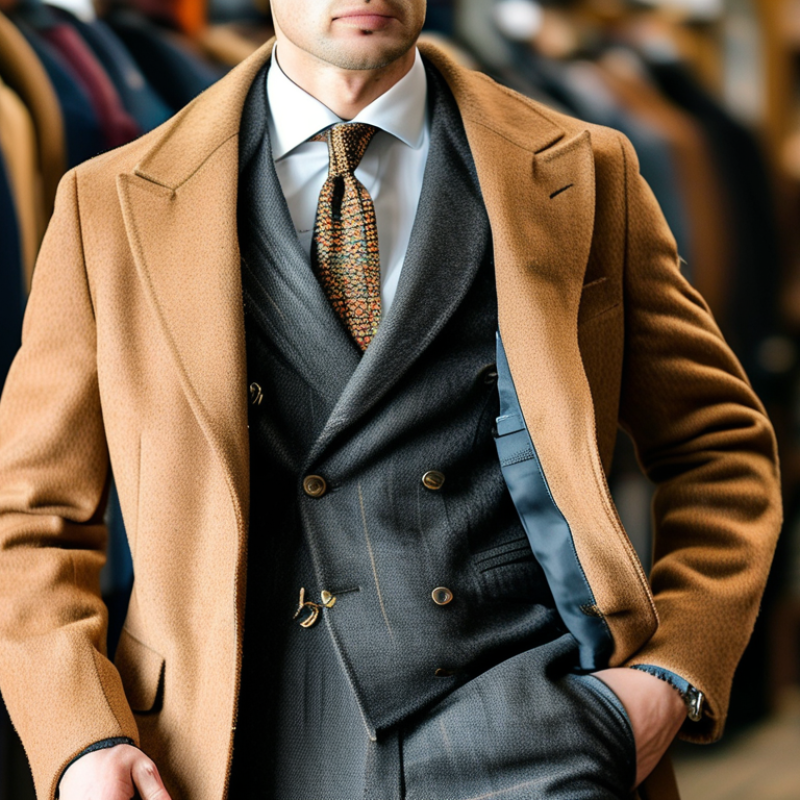
Overview of Suit Fabric Thickness and Its Importance in Fashion
The thickness of suit fabric plays a crucial role in the overall appearance and functionality of a suit. When choosing a fabric, buyers should consider how thickness affects comfort, warmth, and drape. Thicker fabrics tend to provide more structure. They can accentuate a formal look suitable for colder climates. However, they may not offer the best breathability for summer wear.
Different types of suit fabrics come with varying thicknesses that cater to distinct fashion needs. Worsted wool, for example, is an excellent option for year-round wear, balancing weight and comfort. Cotton, on the other hand, is lighter but may become less formal. Buyers should assess their particular climate and occasion when selecting a fabric.
There is also room for personal style in these choices. Some buyers might prefer textured fabrics as they add unique character to suits. While thicker materials can signify quality, they can also limit movement and may require more care. Striking the right balance between thickness, comfort, and style is essential and often reflective of the wearer's personality.
Key Factors to Consider When Choosing Thick Suit Fabrics
When selecting thick suit fabrics, several key factors come into play. The weight of the fabric is essential. Heavier fabrics provide warmth and structure, making them ideal for formal and colder settings. However, they may not be appropriate for warmer climates. Therefore, understanding the intended use is crucial.
The texture of the fabric should also be considered. Smooth textures can create a more polished look, while tweeds or wool blends offer a rugged appeal. Each option provides a unique aesthetic and feel. Additionally, the breathability of the fabric should not be overlooked. A breathable fabric prevents discomfort, especially during prolonged wear.
Finally, durability and maintenance are important aspects. Some fabrics may require special care, impacting their lifetime value. Choosing a heavy wool or blended fabric can often provide the best return on investment. Quality over cost is a reflection of genuine value. Understanding these factors can lead to a more informed choice.
Top 10 Thick Suit Fabric Options for Different Occasions
When selecting thick suit fabrics for various occasions, the choice often hinges on texture, weight, and warmth. For winter weddings, consider heavyweight wool blends. They provide warmth while exuding sophistication. Wool's natural breathability ensures comfort throughout the day. Pairing this fabric with a tailored cut can elevate the overall look.
In casual settings, a cotton blend with a slight stretch might be more appropriate. This fabric allows for ease of movement while maintaining a polished appearance. Whether attending a garden party or an outdoor meeting, cotton offers versatility and comfort. However, this option may lack the formality required for upscale events.
For business meetings, flannel suits are a reliable choice. Their thicker texture conveys authority and professionalism. While flannel suits can initially seem restrictive, the right tailoring can enhance mobility. Remember, the balance of style and function should always be at the forefront of fabric selection. Explore various textures and weights to discover the perfect fit for each occasion.
Comparative Analysis of High-Quality Thick Suit Fabrics
When choosing thick suit fabrics, it’s crucial to understand their differences and applications. High-quality materials like wool, cashmere, and tweed remain popular among buyers. According to industry reports, wool suits dominate the market, accounting for approximately 40% of sales in formal attire. These fabrics provide warmth and breathability, making them perfect for various climates.
Cotton offers an alternative option, often being softer and lighter than wool. However, it doesn't provide the same thermal insulation. Yet, cotton blends are gaining traction among buyers looking for comfort paired with a professional look. Studies indicate that fabric blends account for nearly 30% of suit sales, signaling a shift toward diverse fabric compositions.
Tips for choosing fabrics: Consider seasonal changes. For colder months, heavier fabrics like flannel or thick tweeds are ideal. If you are in a warmer climate, lightweight wool and cotton blends can keep you comfortable. Always check the fabric weight; fabrics over 300 grams are usually appropriate for thicker suits. Remember, the texture plays a significant role in how a suit drapes. Don’t hesitate to explore beyond the well-known choices. Unconventional fabrics may offer unique aesthetics.
Maintenance and Care Tips for Thick Suit Fabrics
Taking care of thick suit fabrics requires specific knowledge and practices. Generally, wool, cashmere, and heavier blends are popular for their durability. These materials can trap dirt and moisture, so regular maintenance is essential. A study from the Textile Research Journal indicates that proper cleaning can extend fabric life by up to 50%.
Start with brushing the fabric to remove surface dirt. Use a horsehair brush to be gentle yet effective. This daily ritual prevents dirt from settling deep into the fibers. Additionally, it's advisable to rotate suits to minimize wear. Giving each suit a break between uses allows the fibers to relax.
Dry cleaning is often necessary for stubborn stains. However, frequent dry cleaning can degrade the fabric. So, consider spot cleaning when possible. For storage, choose breathable garment bags. Avoid plastic covers that can trap moisture. A climate-controlled environment prevents mildew and fabric damage. Remember, thick fabrics can show wear differently, so regularly assess their condition.
Top 10 Thick Suit Fabric Options for Global Buyers
| Fabric Type |
Composition |
Weight (g/m²) |
Breathability |
Durability |
Care Tips |
| Wool |
100% Wool |
300-400 |
Good |
High |
Dry clean only |
| Flannel |
Wool Blend |
350-450 |
Fair |
Medium |
Machine wash cold |
| Tweed |
100% Wool |
400-600 |
Good |
Very High |
Spot clean only |
| Cashmere |
100% Cashmere |
220-300 |
Excellent |
Medium |
Dry clean only |
| Gabardine |
Wool or Polyester |
300-500 |
Good |
High |
Machine wash warm |
| Houndstooth |
Wool Blend |
350-450 |
Fair |
Medium |
Dry clean only |
| Corduroy |
Cotton |
300-400 |
Fair |
Medium |
Machine wash cold |
| Moleskin |
Cotton |
400-500 |
Low |
High |
Dry clean only |
| Double-Faced Wool |
100% Wool |
400-500 |
Excellent |
High |
Dry clean only |
| Couldron |
Wool Blend |
350-450 |
Good |
Medium |
Hand wash only |