Top 10 Thin Knitted Jacquard Fabrics for Global Buyers?
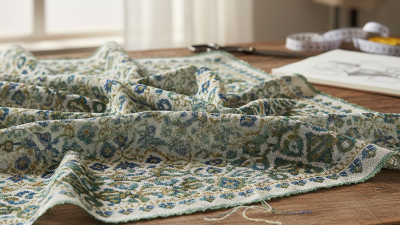
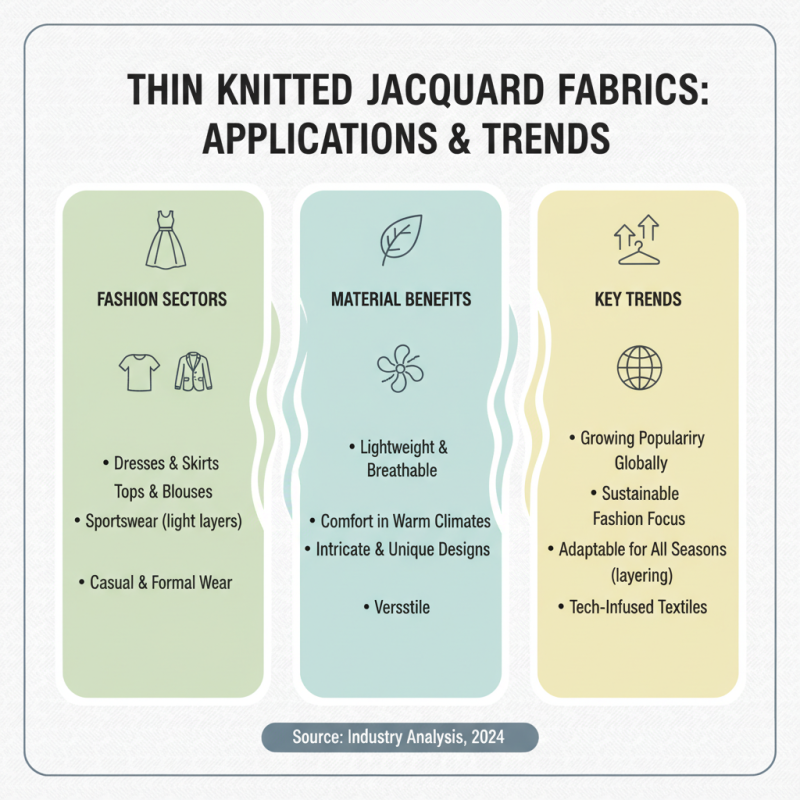
The fashion industry is increasingly leaning towards innovative textiles. Among these, **Thin Knitted Jacquard Fabric** stands out for its unique blend of style and functionality. This fabric is lightweight yet durable, making it an ideal choice for various garments. Designers appreciate its intricate patterns, which can elevate any clothing line.
Global buyers are searching for quality in their textile choices. Thin Knitted Jacquard Fabric offers numerous advantages, including breathability and aesthetic appeal. It suits diverse applications, from casual wear to formal attire. However, selecting the right fabric can be challenging. Buyers must consider factors like texture, color, and weave density.
With ever-evolving trends, keeping up with the market is essential. New suppliers emerge, and established manufacturers innovate continuously. This dynamic landscape can make it difficult for buyers to choose the best options. Yet, informed decisions lead to successful procurement. Buyers should reflect on their selections and strive for fabrics that align with their brand's vision.
Overview of Thin Knitted Jacquard Fabrics and Their Popularity
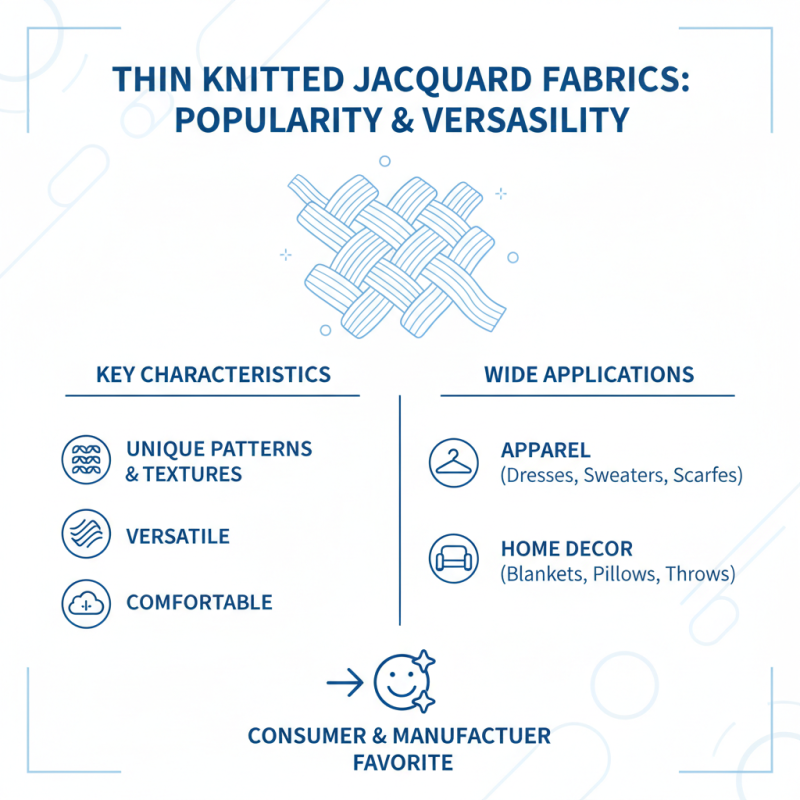
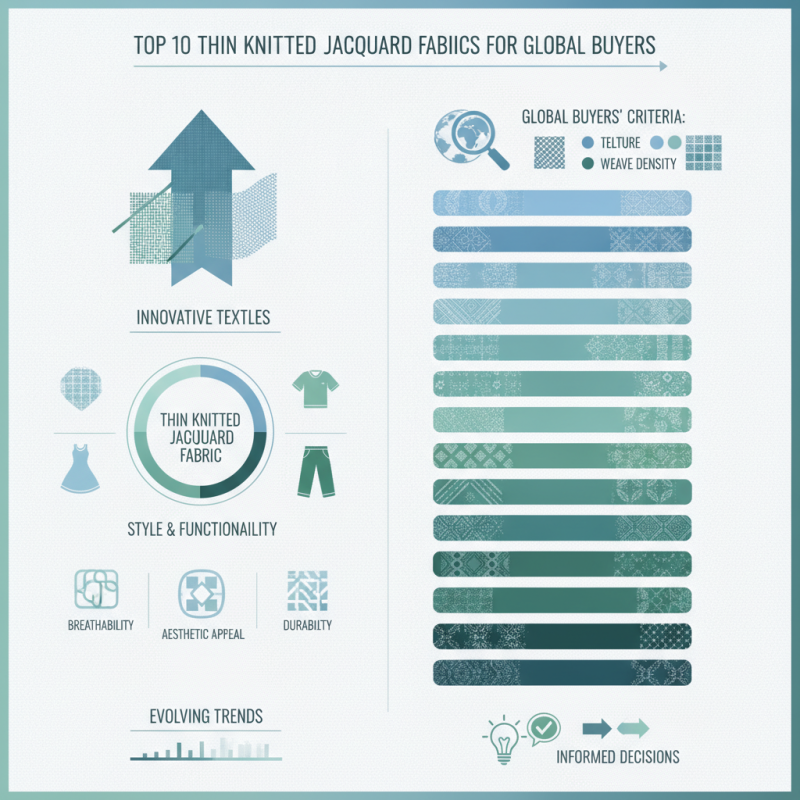
Thin knitted jacquard fabrics have gained significant popularity in the textile market. Their unique patterns and textures appeal to both manufacturers and consumers. This popularity arises from their versatility and comfort. They are suitable for various applications, including apparel and home decor. This widespread use highlights their functionality and aesthetic appeal.
The production of thin knitted jacquard fabrics requires skill and precision. Designers appreciate the intricate designs these fabrics allow. However, creating these textiles can be challenging. Not all manufacturers achieve the same quality. Some fabrics may lack durability, which can cause frustration for buyers. It’s essential to choose wisely and consider the fabric’s lifespan.
Sustainability is another aspect worth considering. Some manufacturers utilize eco-friendly materials, which attract conscious consumers. However, eco-friendly doesn't always mean high quality. Buyers need to balance sustainability with performance when selecting fabrics. It’s a complex decision, and there is room for improvement in the industry. Making informed choices is crucial for both buyers and manufacturers.
Key Characteristics of High-Quality Thin Knitted Jacquard Fabrics
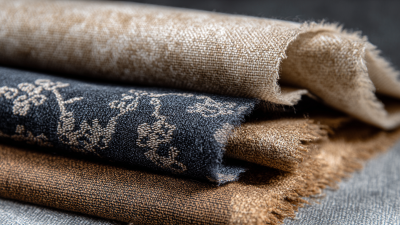
Thin knitted jacquard fabrics have emerged as a popular choice for global buyers due to their unique characteristics. These fabrics are celebrated for their intricate patterns and versatility. The fabric is often lightweight yet durable, making it suitable for various applications, from fashion to upholstery. According to a recent industry report, the demand for jacquard fabrics has increased by 15% over the past three years, indicating a robust market trend.
Key characteristics that distinguish high-quality thin knitted jacquard fabrics include fine gauge construction and seamless finishing. A thread count exceeding 300 is often associated with enhanced quality. Fabrics that maintain elasticity while resisting pilling and fading are particularly valued. Data indicates that consumers prioritize durability, as an estimated 70% of buyers look for long-lasting materials.
Despite these strengths, some challenges persist. Quality control varies among manufacturers, leading to inconsistencies. Many buyers report unexpected shrinkage or loss of pattern clarity after washing. This indicates the necessity for thorough testing and quality assurance in production processes. Recognition of these issues can drive advancements in fabric quality over time.
Top 10 Manufacturers of Thin Knitted Jacquard Fabrics Worldwide
When it comes to thin knitted jacquard fabrics, selecting the right manufacturer is crucial. Reports from the Textile Association indicate that the global jacquard fabric market is expected to grow by 4.5% annually until 2026. High demand has led to numerous manufacturers emerging worldwide. Here, we highlight several noteworthy players.
In Europe, leading manufacturers focus on innovative designs and sustainability practices. They utilize eco-friendly materials, aligning with the increasing consumer demand for sustainable textiles. Meanwhile, Asia remains a powerhouse in production capacity. The low labor costs and access to advanced technology enable swift production cycles. As consumers seek unique patterns, many manufacturers are investing in digital printing technology to enhance their offerings.
Tip: When evaluating manufacturers, consider their supply chain transparency. Understanding where and how materials are sourced can reveal a lot about their commitment to quality and sustainability.
Despite advancements, challenges abound. Some manufacturers struggle with quality consistency. Issues like dye lot variations can disrupt final products. Maintaining
stringent quality control measures can mitigate these problems.
Tip: Always request samples prior to making bulk purchases. This helps ensure the fabric meets your quality standards and design expectations.
Ultimately, choosing a
reliable manufacturer requires careful research and consideration of various factors.
Buying Guide for Global Consumers: Selecting the Right Jacquard Fabric
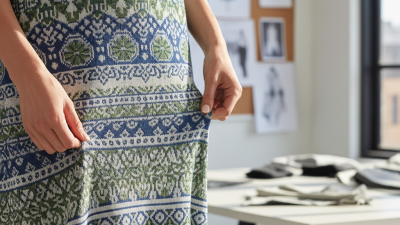
When selecting jacquard fabrics, buyers should consider several key factors. The weight of the fabric is essential. Thin knitted jacquard fabrics are versatile, suitable for various clothing types. They offer a balance between comfort and style. Look for a fabric that drapes well, allowing for fluid movement. This is particularly important for garments that require flexibility.
Another aspect to ponder is the pattern and color. Jacquard fabrics come in many designs, from floral to geometric. A unique pattern can elevate an outfit, making it stand out. However, the choice must align with the buyer's personal style. Sometimes, a trendy design may not suit an individual’s wardrobe.
Quality assurance is crucial as well. Look for reliable suppliers who prioritize craftsmanship. Checking fabric samples can help avoid disappointments later. Thin jacquard fabrics may seem delicate, but their durability can vary greatly. Understanding the care instructions is also vital. Improper washing can lead to fading or damage. Taking these details seriously will lead to better purchasing decisions.
Top 10 Thin Knitted Jacquard Fabrics for Global Buyers
| Fabric Type |
Composition |
Weight (g/m²) |
Width (cm) |
Usage |
Price Range ($/m) |
| Classic Jacquard |
100% Cotton |
150 |
150 |
Apparel |
12-15 |
| Silk Jacquard |
80% Silk, 20% Polyester |
120 |
140 |
Luxury Fashion |
25-30 |
| Stretch Jacquard |
95% Polyester, 5% Spandex |
180 |
160 |
Activewear |
15-20 |
| Floral Jacquard |
100% Acetate |
130 |
145 |
Evening Wear |
20-25 |
| Geometric Jacquard |
70% Acrylic, 30% Silk |
160 |
155 |
Home Decor |
18-22 |
| Plaid Jacquard |
100% Viscose |
140 |
150 |
Casual Wear |
10-14 |
| Lace Jacquard |
60% Nylon, 40% Cotton |
110 |
135 |
Bridal Wear |
28-32 |
| Texture Jacquard |
100% Wool |
200 |
165 |
Outerwear |
22-26 |
| Abstract Jacquard |
50% Linen, 50% Cotton |
175 |
160 |
Fashion Apparel |
14-18 |
| Sporty Jacquard |
100% Polyester |
140 |
150 |
Athleisure |
12-16 |