Top 10 Tips for Caring for Women's Knitted Fabric?
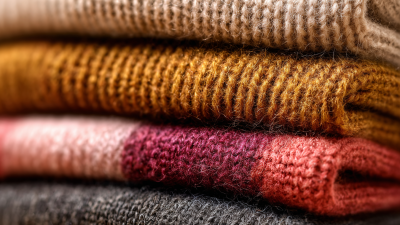
Caring for Women's Knitted Fabric involves more than just throwing them in the wash. These delicate textiles require attention and care to maintain their shape and texture. Each piece of knitted fabric tells a story through its unique patterns and fibers. Preserving this uniqueness can be a challenge.
The fibers used in Women's Knitted Fabric can easily be damaged without proper maintenance. Many believe that cleaning is enough. However, improper care can lead to pilling or loss of elasticity. It is vital to be aware of the specific needs of you fabrics. Over time, you may find mistakes you did not notice before. Perhaps you used hot water. Or even a rough detergent.
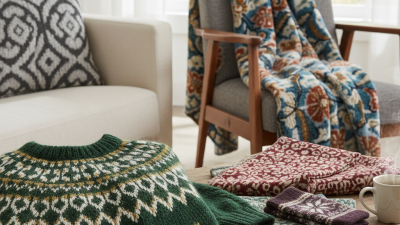
Every knitwear enthusiast knows the joy of a beautifully cared-for knitted item. Yet, many overlook the simplest aspects of care. This guide aims to highlight essential tips for preserving your Women's Knitted Fabric. These insights can enhance the longevity of your cherished pieces. In the pursuit of perfect care, some may still struggle, but reflection can lead to improvement.
Understanding Different Types of Knitted Fabrics for Women
When it comes to women's knitted fabrics, understanding the different types is key to proper care. Knitted fabrics can range from lightweight cotton to cozy wool. Each type has unique properties that affect how to wash and maintain them. For instance, wool offers warmth and elasticity, but it can shrink if exposed to high heat. Cotton is breathable, yet it may wrinkle easily.
Caring for knitted fabrics involves some practical tips. Always read care labels carefully. Hand washing is often gentler than machine washing. Use cold water and a mild detergent to protect the fibers. Avoid using harsh chemicals that can deteriorate the fabric's quality. Lay flat to dry instead of hanging, which can stretch the knit.
Different knits like jersey, ribbed, or cable knit also require different approaches. Jersey is soft and stretchy, ideal for casual wear. Ribbed fabric is more structured but might snag easily. Pay attention to the texture and thickness, as these will influence the cleaning method. Sometimes, a mistake is made by using the wrong wash cycle. It can lead to pilling or distortion. Each type of knitted fabric tells a story. Understanding these nuances helps your garments last longer.
Essential Washing Techniques for Knitted Women's Garments
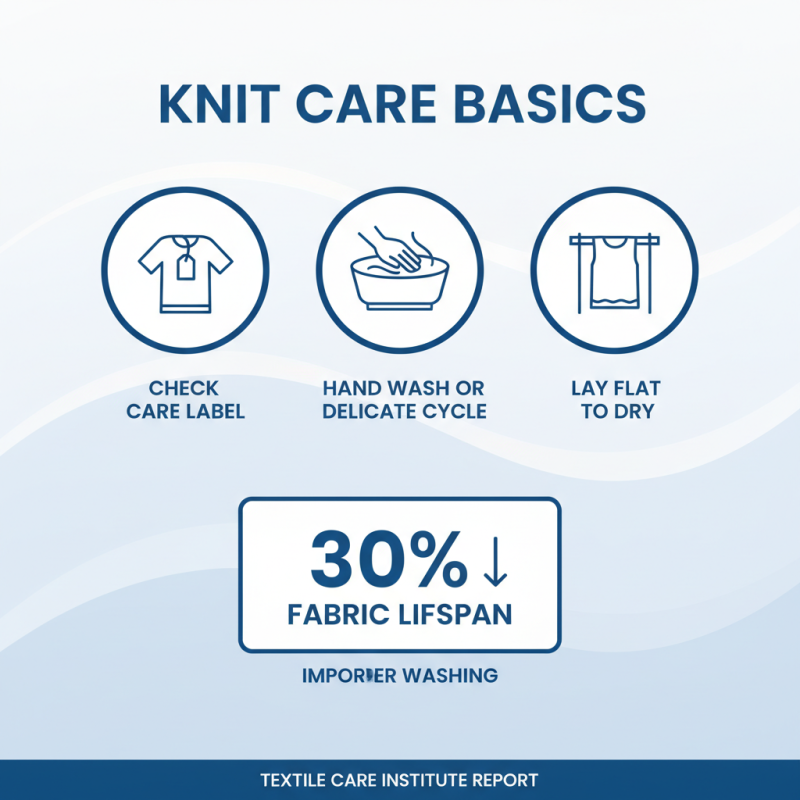
Washing knitted women's garments requires specific techniques. According to a report by the Textile Care Institute, improper washing can lead to a 30% decrease in fabric lifespan. The first step is to always check care labels. Each fabric has different needs.
Hand washing is often recommended. Use cold water and gentle detergent. Soak for about 10-15 minutes. Avoid wringing the fabric too hard. This can cause stretching and distortion. In fact, twisting can damage the fibers, leaving your garment misshaped.
Machine washing can be risky. If you choose this method, use a mesh bag. Set the machine to a delicate cycle with cold water. Remember, fuzzy fabrics are more prone to pilling. Some garments may require extra attention, like air drying instead of tumble drying. Heat can ruin their elasticity, making them fit poorly over time. Proper care is crucial for maintaining knitted fabric's integrity.
Proper Drying Methods to Preserve Knitted Fabric Quality
When caring for women's knitted fabrics, drying methods play a crucial role in maintaining quality. To keep your knits looking fresh, you should avoid wringing or twisting the fabric. Instead, gently roll it in a towel to remove excess water. This method preserves the shape and fibers better than traditional drying.
Air-drying is often the best option. Lay the item flat on a clean, dry surface. Ensure there’s enough space around it for airflow. This helps prevent stretching or misshaping. It’s tempting to hang knits, but gravity can cause sagging. Check the fabric regularly while it dries. If it's not behaving, adjust its position gently.
If you need quicker results, try using a fan. Place the fan at a distance to avoid direct airflow, which can be harsh. With these techniques, you’ll minimize wear. Remember, it’s okay to make mistakes. We all have mishaps. The key is to learn and improve with each wash. Be gentle and patient with your beloved pieces.
Storage Tips to Maintain Shape and Texture of Knitwear
Storing knitted fabric requires special care. When putting away knitwear, start by folding it properly. Avoid hanging, as this can stretch the fabric. Use acid-free tissue paper to cushion the folds, helping maintain its shape. Keep knits in breathable cotton bags rather than plastic. Plastic can trap moisture, which may lead to mildew.
Temperature and humidity matter. Store your knitwear in a cool, dry place. Too much heat can warp fibers, making them lose their elasticity. Don't stack too many garments on top of each other. This extra weight can create creases that are hard to remove later.
Regularly check your stored items, too. A routine inspection helps you catch any damage early. Look for moths; they love knits. If you find an issue, tackle it immediately. Learning to care for your knitwear is a process. Sometimes you may not get it right. But with practice, it becomes easier.
Top 10 Tips for Caring for Women's Knitted Fabric
Repair and Maintenance Tips for Extending the Life of Knitted Items
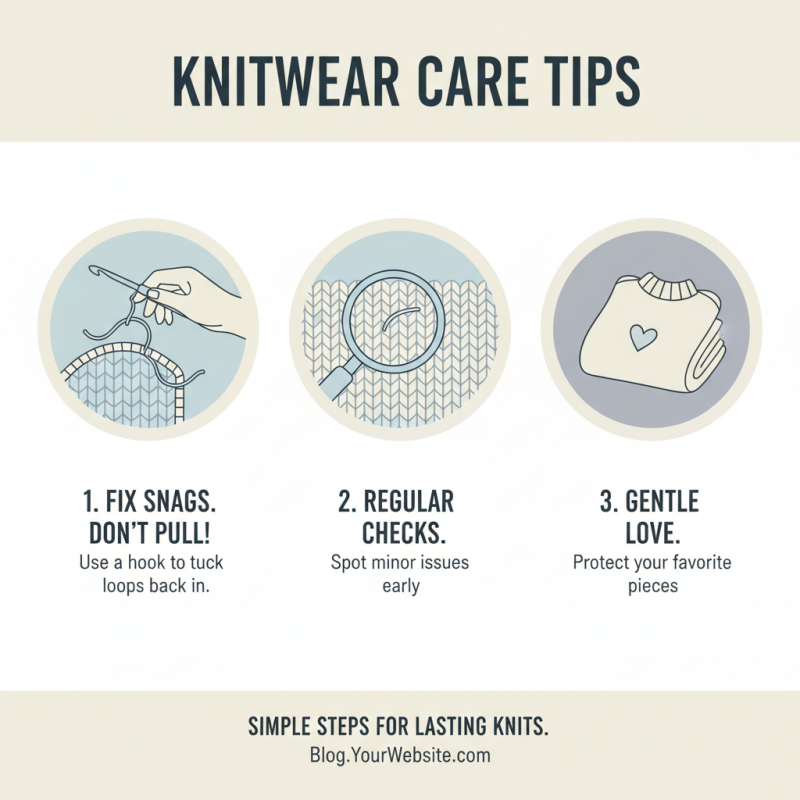
Caring for knitted fabrics requires attention and care. When your knitted sweater develops a snag, resist the urge to yank it. Instead, use a crochet hook or a needle to gently pull the snag back into place. It's a simple repair but can save your favorite piece from further damage. Regularly inspecting your knitted items helps catch minor issues quickly.
Washing knitted fabrics can be tricky. Always hand wash in cold water with mild detergent. Avoid twisting or wringing the fabric. Instead, gently press the water out. Lay flat to dry, as hanging can stretch the fibers. If you notice pilling, use a fabric shaver or a simple razor. But be gentle; too much pressure can create holes.
Storing your knitted items properly also extends their life. Fold them instead of hanging, as this prevents misshaping. Use breathable storage bins to keep moisture at bay. Consider adding cedar chips to deter pests. It's easy to overlook these details, but neglect can lead to bigger problems, like moth damage or misshapen garments. Regular care can make all the difference.