Top Tips for Sourcing Rayon Knitted Fabric Globally?
Sourcing Rayon Knitted Fabric globally can be a rewarding but complex task. Understanding the intricacies of this fabric is essential. Rayon is celebrated for its softness and versatility. Its knitted form adds a unique stretch, making it ideal for various applications.
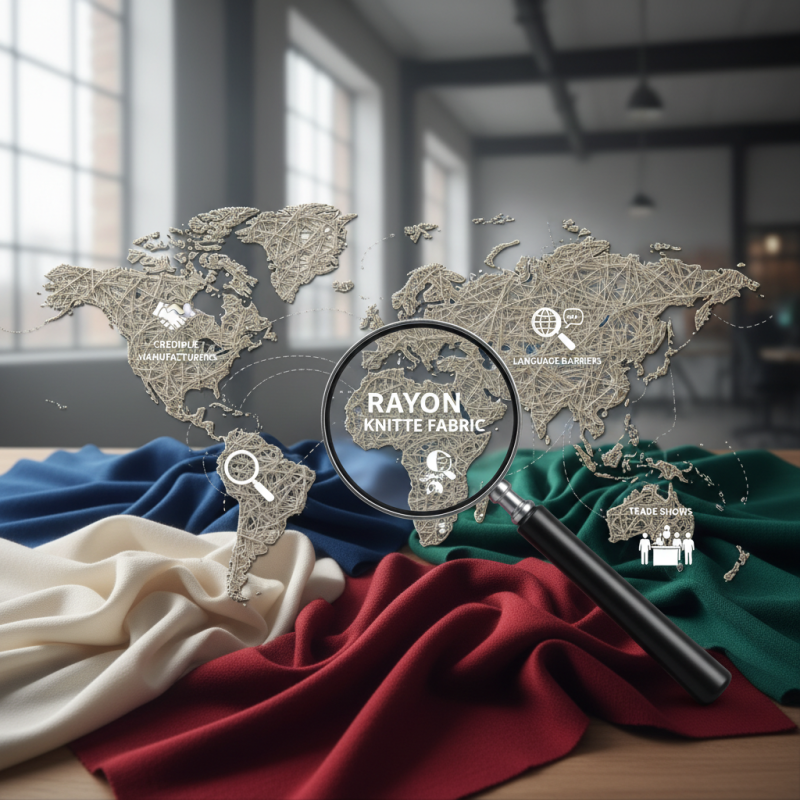
Many buyers face challenges in sourcing quality Rayon Knitted Fabric. Language barriers and unfamiliar suppliers can complicate the process. It's crucial to assess the credibility of manufacturers. Strong relationships with reliable sources can significantly impact the quality of the fabric.
Engaging with industry experts can help navigate sourcing hurdles. Attending trade shows or online fabric fairs can also provide valuable insight. However, many overlook the importance of quality checks. Without proper evaluation, one may end up with subpar materials. Each step in sourcing requires careful consideration to ensure successful procurement.
Understanding Rayon: Properties and Benefits in Knitted Fabrics
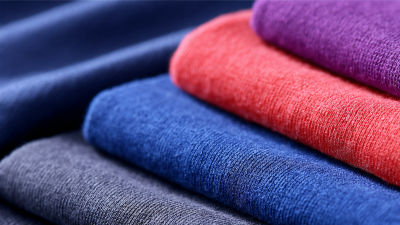
Rayon is a versatile fabric widely used in knitted textiles. Its unique properties make it suitable for various applications. This semi-synthetic fiber is breathable, moisture-absorbent, and incredibly soft. These qualities contribute to the comfort and wearability of knitted garments.
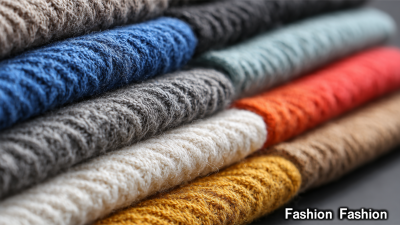
When sourcing rayon knitted fabric, consider the fiber's drape. The way rayon falls can greatly affect the garment's overall look. Pay attention to weight and thickness. These factors determine how well the fabric maintains structure during movement. Always request swatches to gauge color accuracy and texture.
Sourcing globally can present challenges. Always establish clear communication with suppliers. Be prepared for variations in quality and delivery times. Understanding the composition of rayon blends is crucial. In some cases, the addition of spandex can enhance stretch and recovery. This knowledge can significantly influence your sourcing decisions. Stay informed about sustainable practices in rayon production as well. It reflects a growing consumer preference for eco-friendly materials.
Identifying Reliable Global Suppliers for Rayon Knitted Fabric
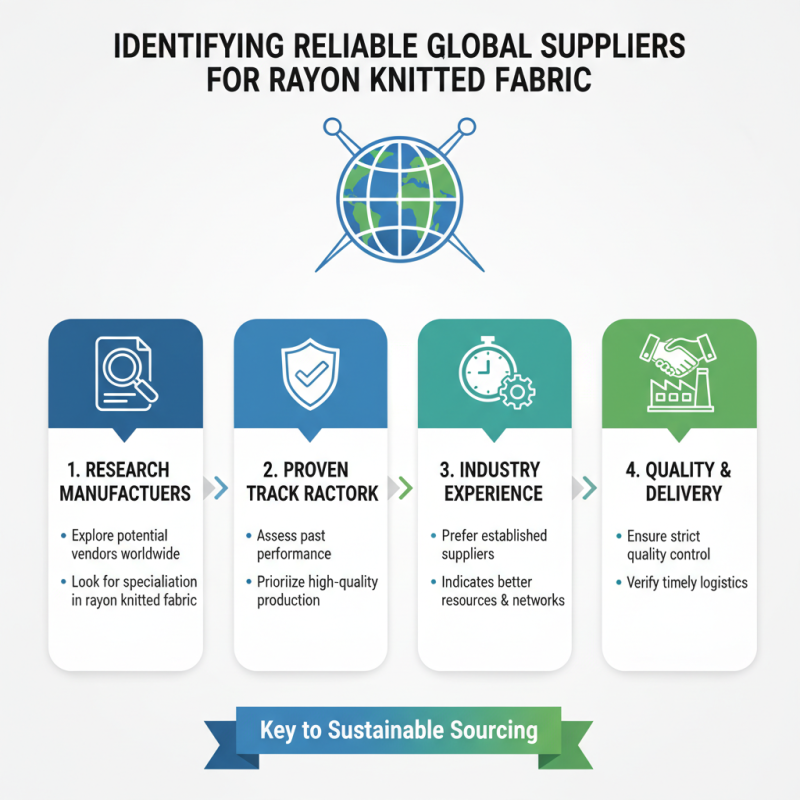
When sourcing rayon knitted fabric globally, it's crucial to identify reliable suppliers. Start by researching potential manufacturers. Look for vendors with a proven track record in producing high-quality rayon fabrics. Check their experience in the industry. Established suppliers often have better resources for quality control and timely delivery.
Engage with suppliers directly. Ask for samples of their rayon knitted fabric. This allows you to assess the texture, durability, and overall quality. Communicate your specific requirements clearly. Clear communication can prevent misunderstandings that may lead to unsatisfactory outcomes. Also, consider visiting factories if possible. Observing production processes can provide deeper insights.
Read reviews and testimonials from other clients. This helps gauge supplier reliability. Remember, not all vendors may meet your standards. Some may promise the world but fail at delivery. Assess their response to inquiries, too. A prompt, professional reply often indicates a serious business. Keep these aspects in mind while navigating the complex landscape of global sourcing.
Evaluating Quality Standards in Rayon Fabric Production
When sourcing rayon knitted fabric, quality standards are crucial. It's important to evaluate the fabric's composition and softness. Rayon can vary significantly in quality, affecting its feel and durability. Look for samples to assess texture and drape. High-quality rayon has a smooth finish and a consistent weave.
Testing for colorfastness is another key aspect. Fabrics should remain vibrant after washing. Check if the dyes used are eco-friendly. This matters for sustainability and consumer safety. Certifications from reliable institutions can also indicate quality.
It's worth noting that not all suppliers maintain the same standards. Some manufacturers may prioritize cost over quality. Conducting audits or factory visits can provide deeper insights. Don't rely solely on online reviews. Seek firsthand experiences to make informed decisions. The journey involves reflection, as ideal sourcing often highlights inconsistencies in quality across regions.
Global Rayon Knitted Fabric Quality Standards Evaluation
Navigating Import Regulations and Trade Agreements for Rayon
Navigating import regulations for rayon knitted fabric can be complex. Each country has distinct rules. Understanding these nuances is crucial for a smooth sourcing experience. When importing, documentation plays a vital role. Ensure you have accurate invoices, certificates of origin, and necessary permits ready for customs review.
Trade agreements can also influence your sourcing strategy. They can reduce tariffs, making imports cost-effective. However, not all regions benefit equally from these agreements. Researching applicable agreements beforehand can save time and funds. It’s beneficial to stay updated on changes in trade policies, as they can impact your operations significantly.
Additionally, keep in mind that importing involves risks. Delays at customs may arise unexpectedly. Miscommunication with suppliers about regulations can lead to compliance issues. Being proactive is essential. Regular communication with a customs expert can help navigate challenges effectively. While the process may seem daunting, thorough preparation can streamline your experience.
Sustainable Practices in Sourcing Rayon Fabrics Worldwide
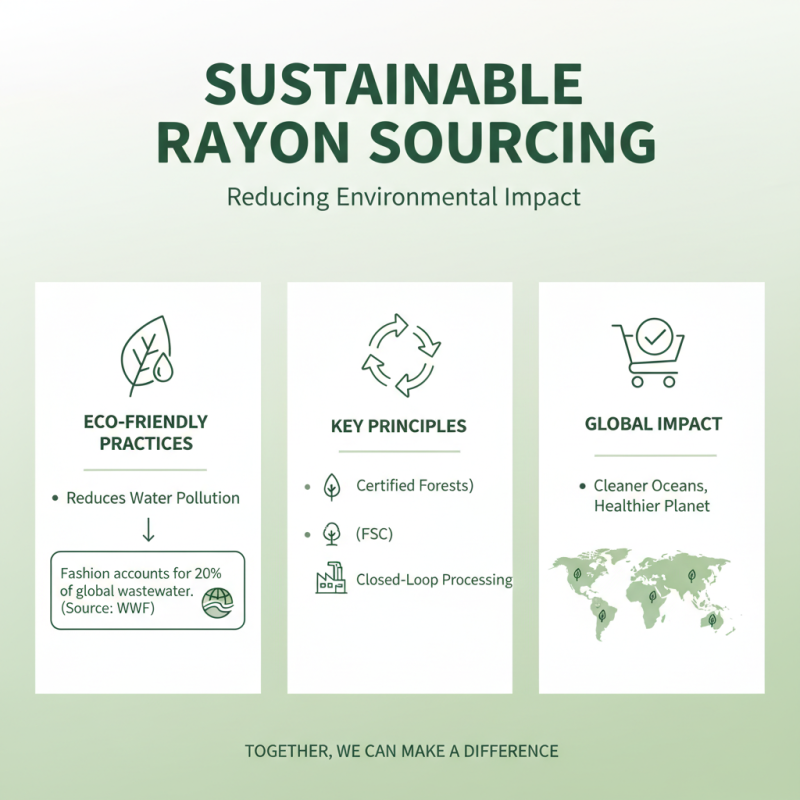
Sourcing rayon fabrics sustainably is crucial for the textile industry. Eco-friendly practices can significantly reduce environmental impacts. According to a report by the World Wildlife Fund, the fashion industry accounts for 20% of global wastewater. This highlights the importance of sustainable sourcing in reducing water pollution.
One method involves selecting suppliers who use closed-loop systems. These systems recycle water and chemicals in the production process. Research indicates that closed-loop systems can reduce water consumption by up to 95%. Implementing such practices ensures that sourcing rayon does not harm local water sources and ecosystems.
Additionally, seeking certifications from reliable organizations adds credibility. Certifications can verify sustainable practices, promoting transparency within the supply chain. A survey conducted by the Global Sustainable Fashion Initiative revealed that 70% of consumers prefer brands that prioritize sustainability. As consumer awareness rises, brands must reflect this in their sourcing strategies. Sourcing sustainably is a journey with challenges, but it is one worth taking for the industry and the planet.