Best Wool Knitted Fabric Types for Warmth and Style
Wool Knitted Fabric has long been cherished for its warmth and versatility. In the fashion industry, it stands out during colder months. According to a recent report by Grand View Research, the global wool market is projected to reach $11.05 billion by 2025. This indicates a strong demand for wool products, including knitted fabrics.
The unique properties of Wool Knitted Fabric provide insulation and breathability. These features make it suitable for various styles, from casual wear to elegant outfits. However, not all wool types deliver the same warmth or aesthetic appeal. A study revealed that merino wool offers superior softness and comfort, making it a popular choice among designers.
Yet, it is worth noting that quality varies significantly across brands. Some knitted fabrics may not withstand heavy wear or frequent washing. Consumers must carefully consider their options. Investing in high-quality Wool Knitted Fabric could enhance both style and longevity. Balancing warmth with fashion is essential in creating an ideal winter wardrobe. Choosing the right fabric can make a noticeable difference in comfort and appearance.

Types of Wool Fiber and Their Unique Properties
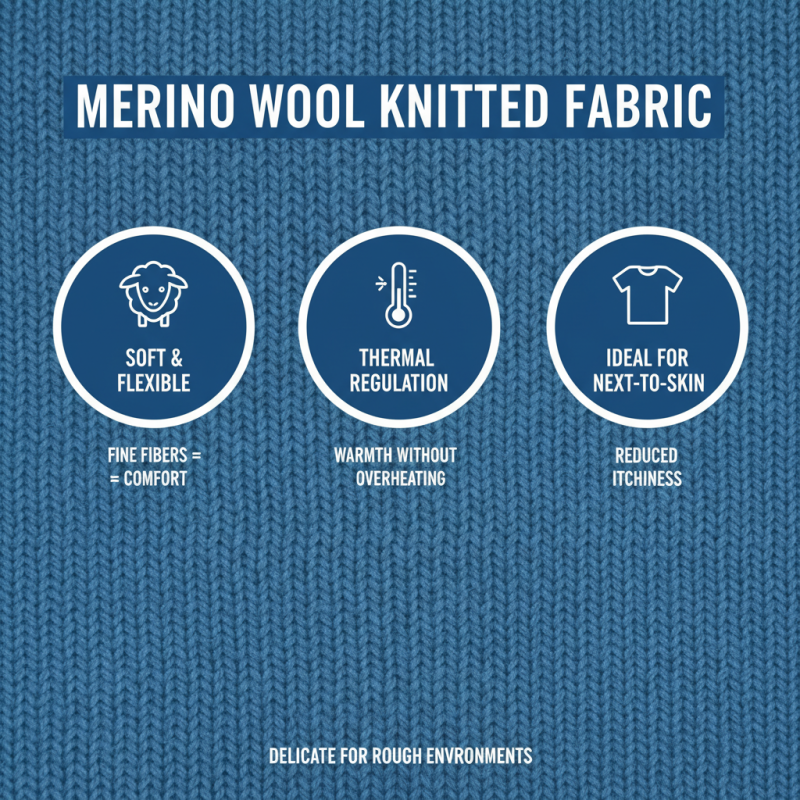
When it comes to wool knitted fabric, several types of wool fibers stand out. Merino wool is known for its softness and flexibility. It keeps the body warm without overheating. Many people prefer it for clothing that touches the skin. Its fine fibers are comfortable and reduce itchiness. However, some may find it too delicate for rough environments.
Another popular fiber is Shetland wool. It is coarser and thicker, adding durability. This makes it ideal for outdoor wear. Shetland wool can be stiff but offers excellent insulation. Those looking for rugged style often choose this type. On the downside, it may not feel as pleasant directly on the skin.
Alpaca wool presents a unique option. It is lighter than sheep's wool but incredibly warm. The fibers have a natural sheen, adding elegance to garments. However, alpaca is often more expensive. For people on a budget, this may require careful consideration. Each type of wool brings something special, but choosing the right one can be a challenge.
Popular Wool Blends for Style and Functionality
Wool blends are essential for combining style and functionality. They offer varying degrees of warmth, comfort, and aesthetic appeal. According to recent market research, the global wool blend market is expected to grow by 6.2% annually through 2025. This growth showcases the popularity of versatile wool blends in fashion.
Merino wool is a standout option. This type of wool is lightweight yet insulating. It regulates temperature well, making it perfect for layering. Additionally, it is soft and less scratchy than traditional wool. Blends with synthetic fibers enhance durability and moisture-wicking properties. Yet, these blends can sometimes lack breathability, which is essential during active wear.
Another popular blend is wool and cashmere. This combination offers luxurious softness and warmth. It’s great for stylish winter looks. However, it can be pricey. Many consumers hesitate due to the cost. A balance between affordability and quality remains a challenge in choosing fabrics. Wool-polyester blends are also common. They are affordable and durable, but might not provide the same warmth as pure wool. The search for the ideal blend continues as consumers strive for both comfort and elegance.
Best Wool Knitted Fabric Types for Warmth and Style
| Fabric Type |
Characteristics |
Best For |
Blend Percentage |
| Merino Wool |
Soft, breathable, moisture-wicking |
Base layers, active wear |
100% Merino |
| Lambswool |
Soft, lightweight, and warm |
Sweaters, scarves |
100% Lambswool |
| Cashmere Blend |
Luxurious, soft, with a silky feel |
High-end sweaters, shawls |
70% Cashmere, 30% Wool |
| Alpaca Wool |
Warm, hypoallergenic, lightweight |
Sweaters, blankets |
100% Alpaca |
| Wool Nylon Blend |
Durable, elastic, with stretch |
Active wear, outdoor gear |
80% Wool, 20% Nylon |
Care and Maintenance Tips for Wool Knit Fabrics
Caring for wool knit fabrics is essential to maintain their warmth and style. These fabrics can be delicate, requiring special attention. Washing them properly is crucial. Use cold water and a gentle detergent to avoid damage. Too much agitation can stretch the fibers. Always hand wash when possible. This method gives better control over the fabric.
Drying wool knits can also be tricky. Avoid wringing them out, as this can distort their shape. Instead, lay the item flat on a towel. Roll the towel gently to absorb excess water before laying it in its natural shape to dry. Keep it away from direct sunlight. This helps prevent fading and makes your garment last longer.
Here are some tips: Always read the care label. Store your wool items folded, not hung. This avoids unwanted creases. Be mindful of moths and pests; use natural deterrents like lavender sachets. Reflect on your habits. Overwashing can lead to wear. A light freshening approach is sometimes needed instead.
Best Wool Knitted Fabric Types for Warmth and Style
This chart illustrates the warmth ratings of various wool knitted fabric types, helping you to choose the best option for both warmth and style in your knitted garments.
Trends in Wool Knitted Fashion for Seasonal Wear
Wool knitted fashion is making a strong comeback in seasonal wear. Industry reports indicate that wool fabric sales have surged by 25% in the past year alone. This shift reflects a growing consumer preference for natural fibers, especially as sustainability becomes a priority. Wool’s inherent warmth and breathability make it ideal for winter collections, yet its versatility is often overlooked.
This season, chunky knit styles are particularly trendy. They offer both comfort and a striking visual appeal. Textured patterns and oversized silhouettes dominate the market. However, not every garment meets the high standards of quality. Some mass-produced items lack the durability expected from wool. The absence of proper care instructions can lead to disappointment, underscoring a need for better consumer education.
Moreover, color palettes are evolving. Earthy tones and muted pastels are gaining traction, reflecting the desire for more understated fashion choices. Yet, consumers sometimes find it hard to maintain these shades, as wool can be prone to fading with improper washing. Understanding these aspects can enhance the experience of wearing woolen clothing, allowing for both style and longevity.