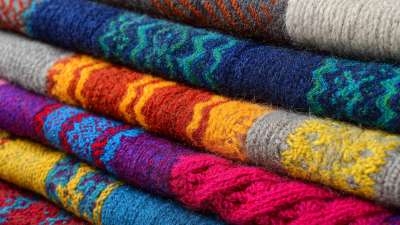
Top 10 Benefits of Viscose Knitted Fabric for Global Buyers?
Viscose Knitted Fabric has become increasingly popular in the textile market. According to a recent report from Research and Markets, the global viscose fiber market is projected to reach over $15 billion by 2025. This rise showcases the growing demand for high-quality fabrics. Viscose offers a unique blend of breathability and softness, making it ideal for various clothing applications.
The versatility of Viscose Knitted Fabric is noteworthy. It drapes beautifully and provides excellent comfort, appealing to both consumers and manufacturers. Various brands are now incorporating viscose into their lines, according to a survey by the Textile World. However, the manufacturing process raises questions about sustainability and environmental impact. Buyers are increasingly aware of these issues, and they seek transparency in sourcing.
In this landscape, understanding the benefits of Viscose Knitted Fabric is essential. It helps global buyers make informed decisions in a competitive market. Challenges exist, including fluctuating raw material prices and the pressure for eco-friendliness. However, the overall advantages of viscose remain compelling for those in the industry.

Overview of Viscose Knitted Fabric and Its Popularity
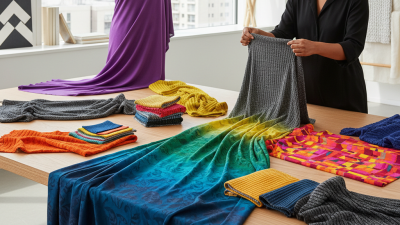
Viscose knitted fabric has garnered significant popularity in the global textile market. Its softness and breathability make it an attractive choice for various garments. Many consumers appreciate how it drapes and flows, enhancing the overall silhouette of clothing. This fabric is derived from natural cellulose fibers, providing comfort that synthetic options often lack.
As more manufacturers adopt sustainable practices, the demand for viscose continues to rise. The fabric is biodegradable, adding an eco-friendly element to fashion. However, the production process has faced scrutiny for environmental concerns, which could impact its reputation. Buyers are now more discerning, seeking products that balance comfort, appearance, and sustainability.
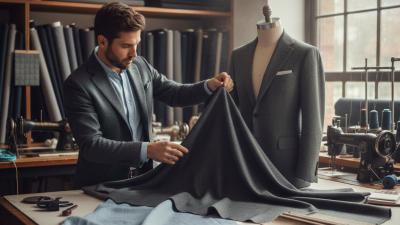
Viscose knitted fabric also offers versatility. It can be blended with other materials to enhance performance. This flexibility allows for the creation of diverse styles, appealing to a broader audience. Nevertheless, quality control is essential. Not all viscose fabrics are created equal; some may not meet buyer expectations. This variability can lead to disappointment and a need for careful sourcing.
Key Advantages for Global Buyers Choosing Viscose Knitted Fabric
Viscose knitted fabric offers numerous advantages that appeal to global buyers. This material is known for its softness and luxurious feel, which makes it quite attractive for apparel. A report by the Textile World indicates that viscose's drape and breathability can enhance the comfort of clothing, especially in warm climates. Many apparel brands are turning to viscose for its versatility.
Another key benefit is its sustainability profile. According to the Sustainable Apparel Coalition, viscose is often produced from renewable resources, primarily wood pulp. This feature, combined with improved production processes, minimizes environmental impact. However, buyers should consider the sourcing of the pulp, as not all viscose is created equally.
Tip: When selecting viscose, research the supplier’s supply chain. Transparency is essential for sustainable sourcing.
Viscose also has excellent dye retention, providing
vibrant colors that appeal to consumers. Surprisingly, some buyers overlook the care requirements for viscose. While it is durable, appropriate washing methods are crucial to maintaining its quality.
Tip: Always check care labels to ensure longevity of viscose garments.
In addition, the cost-effectiveness of viscose knitted fabric is noteworthy. It generally offers a competitive price point compared to other fabrics like silk or cotton. However, fluctuating raw material prices can impact overall costs. Buyers need to reflect on their
budgets while considering these dynamics.
Comfort and Breathability: Benefits of Viscose in Clothing
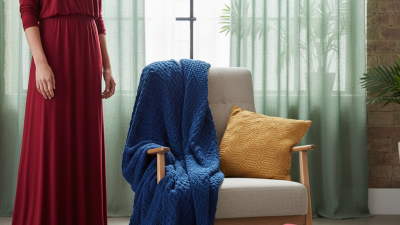
Viscose knitted fabric has gained popularity in the clothing industry for its remarkable comfort and breathability. This fabric is derived from natural sources, making it a semi-synthetic material. It has properties that replicate the softness of silk. Wearing viscose can feel like a gentle embrace on the skin. It allows for optimal airflow, reducing excess moisture. This is crucial, especially in warmer climates.
The fibers are highly absorbent. They can wick away sweat efficiently, providing a cool sensation during hot days. This feature makes viscose an excellent choice for activewear or casual wear. However, care must be taken while washing. The fabric can lose its shape if not properly maintained. It's also worth noting that viscose blends can alter the fabric’s breathability. Balancing comfort with durability is sometimes challenging.
Buyers should consider the weave of the fabric. A tighter knit may impede airflow, while a looser one enhances it. Shoppers might find that not all viscose is created equal. Some variations lack the desired breathability due to chemical treatments. It's essential to inspect the fabric’s details before making a purchase. Educating oneself on fabric qualities can lead to more informed buying decisions.
Sustainability Aspects of Viscose Knitted Fabric Production
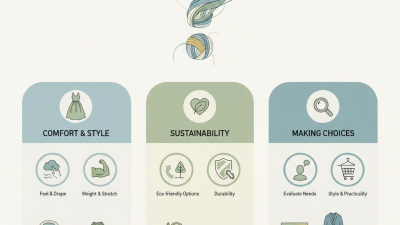
The sustainability of viscose knitted fabric production is a critical concern for global buyers. Viscose, derived from natural fibers, presents a more eco-friendly alternative to synthetic textiles. According to the 2021 Textile Exchange report, sustainably sourced viscose reduced carbon emissions by up to 50%. This significant reduction underscores its potential for lowering industries' overall environmental footprints.
However, the production process must be scrutinized for transparency. The viscose industry is often marred by deforestation and pollution issues. A 2022 study indicated that about 40% of producers are not adhering to sustainable practices, leading to habitat destruction. This highlights the need for buyers to demand certifications that ensure responsible sourcing and production methods. Such certifications safeguard biodiversity while promoting ethical labor practices.
Moreover, the closed-loop production methods used in some viscose facilities can recapture and reuse chemicals. These practices can reduce water consumption by up to 90%, which is essential in water-scarce regions. Yet, not all manufacturers implement these methods, prompting concerns over the lifecycle impact of viscose. The ongoing challenge lies in balancing demand for sustainable textiles with the realities of production practices.
Versatility of Viscose Knitted Fabric in Fashion and Textiles
Viscose knitted fabric has become a popular choice in the fashion and textiles industry. Its versatility is unmatched. This fabric not only offers a soft touch but also exhibits excellent drape. Designers love its ability to create flowy and elegant silhouettes. It adapts beautifully to both casual wear and formal attire.
The breathable nature of viscose makes it suitable for various weather conditions. It keeps the body cool in summer and provides warmth in cooler months. This dual functionality appeals to global buyers looking for multi-seasonal fabrics. Additionally, the vibrant colors and patterns allow for creative expression. Whether it’s for dresses, tops, or activewear, viscose can cater to diverse styles.
Nevertheless, there are challenges related to the sustainability of viscose production. The manufacturing process can harm the environment if not managed properly. This raises questions for buyers focused on eco-friendly options. It's essential to weigh the benefits against the environmental impact. As the industry evolves, there’s a growing need for sustainable practices in viscose production.
Top 10 Benefits of Viscose Knitted Fabric for Global Buyers
| Benefit |
Description |
| Softness |
Viscose knitted fabric is known for its exceptional softness, making it comfortable to wear. |
| Breathability |
The fabric allows air circulation, helping to regulate body temperature and moisture. |
| Drape |
Viscose has a beautiful drape, making it ideal for flowing garments. |
| Versatility |
Can be used in various clothing types, from casual wear to formal attire. |
| Color Retention |
Holds dye well, resulting in vibrant colors that last. |
| Eco-Friendly Options |
Made from renewable sources, with some sustainable production methods available. |
| Low Allergic Reaction |
Less likely to cause skin irritations compared to synthetic fabrics. |
| Moisture Absorption |
Absorbs moisture efficiently, keeping the body dry and comfortable. |
| Durability |
Strengthened when combined with other fibers, enhancing longevity. |
| Easy to Care |
Typically machine washable and resistant to wrinkles. |