Choosing the right fashion suit fabric is crucial for style and comfort. The fabric affects not only the appearance but also the wearability of the suit. A well-chosen fabric can enhance the overall look and feel of the attire. Many options exist, leaving some feeling overwhelmed.
Different fabrics suit various occasions and climates. Wool is a classic choice for its versatility and breathability. Cotton offers comfort but may lack the elegance of other materials. Linen, while stylish for summer, wrinkles easily. Each fabric brings unique benefits and drawbacks.
Understanding fabric characteristics can be challenging. Personal preferences play a significant role. Tastes can differ greatly among individuals. Therefore, evaluating practical needs is important. Fashion suit fabric should reflect personal style while providing the needed functionality. Choosing wisely can elevate one’s wardrobe and confidence.

Choosing the right fabric for fashion suits is crucial. Ideal fabrics showcase specific characteristics. They should feel luxurious yet durable. Breathability is key for comfort, especially in warmer climates. Fabrics like wool and cotton blend well for year-round use.
Weight Matters
Another important aspect is weight. Heavier fabrics tend to hang better. However, they may be too warm in summer. Lighter options can be a great choice for hot weather, but they might not drape as nicely. It's essential to balance aesthetics and functionality.
Care and maintenance also matter. Some fabrics require dry cleaning, while others can be washed at home. Consider how much effort you're willing to invest in upkeep. Remember, the best fabric does not always mean the most expensive. Sometimes, cheaper alternatives fit your needs perfectly. Keep experimenting until you find the right match for your style.
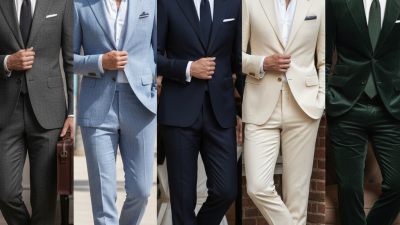
When selecting fabrics for fashion suits, numerous options are available. Wool is widely favored for its durability and versatility. It drapes well and adds a polished look to suits. Cotton offers breathability and comfort, making it suitable for warmer climates. However, it can wrinkle easily. Linen is another option known for its lightweight feel, perfect for summer. Yet, it tends to crease, which some may find unappealing.
Silk fabrics add a luxurious touch, but they can be less practical for everyday wear. Also, silk requires careful maintenance. Blends, like poly-wool, combine benefits, providing durability without sacrificing comfort. Knowledge of fabric types will help you make informed choices.
**Tips:** Inspect the fabric weight before buying. Heavier fabrics work well for structured suits. Consider the suit's purpose. A formal occasion may need fine wool, while casual settings might suit cotton or linen better. Don’t overlook the importance of texture. It can influence both appearance and comfort.
Choosing the right fabric for fashion suits involves weighing the advantages and disadvantages of popular materials. Wool is a classic choice. It breathes well and drapes beautifully. However, wool can be expensive and requires careful maintenance. It’s not ideal for humid climates, as it may retain moisture, leading to discomfort.
Cotton is another popular option. It’s lightweight and versatile, making it suitable for casual suits. Cotton is breathable, which is a significant advantage in warmer weather. Yet, it wrinkles easily and may lack the structure needed for more formal events. This can detract from the polished look many desire in a suit.
Linen offers a relaxed vibe and excellent breathability. It’s perfect for summer occasions, but it also wrinkles quickly. This gives linen suits a laid-back appearance that might not suit every formal setting. Each fabric has unique qualities that might not always align with your style goals or practical needs, so it’s essential to consider both the benefits and drawbacks carefully.
When choosing a fabric for fashion suits, weight is a crucial element. The fabric's weight influences not just the suit's durability, but also its comfort. A lighter fabric weighs around 200-250 grams per meter, making it ideal for warm climates. Heavy fabrics, on the other hand, can exceed 350 grams, offering warmth for colder environments. According to a 2023 industry report, the right weight significantly enhances the wearer’s comfort.
Comfort is key when it comes to style. A balance between weight and breathability affects how a suit feels throughout the day. Studies show that heavier materials can lead to overheating, particularly in summer months. On the contrary, lightweight options may drape poorly and fail to provide the desired silhouette. Selecting the right fabric can seem daunting, yet understanding these dynamics leads to a better fit.
Not every fabric performs perfectly in every situation. An off-weight fabric may create awkward bulges or wrinkles. This inconsistency can detract from an otherwise polished look. It's essential to consider different fabric blends. A combination of wool and synthetic fibers, for instance, can offer the best of both worlds. By experimenting with fabric weight and blend, the ideal match for style and comfort may emerge.
Choosing the right fabric for fashion suits requires careful consideration of occasion and climate. Lightweight fabrics like linen are ideal for summer events. According to the Woolmark Company, linen allows breathability, making it suitable for warm weather. It absorbs moisture, keeping the wearer cool. However, it wrinkles easily, and that can affect appearance.
In contrast, wool suits are versatile for various seasons. A report from the International Wool Textile Organisation highlights that wool regulates body temperature effectively. It insulates during colder months yet remains breathable in warmer settings. Choosing a wool suit for a formal evening event can convey sophistication. Yet, it may be too warm for daytime functions in hot climates.
Cotton blends offer flexibility for casual occasions. They provide comfort, particularly in spring and fall. Yet, they may lack the refinement of pure fabrics. It's essential to balance style with functionality. Keeping these details in mind ensures your suit aligns with the setting and climate.
| Fabric Type | Best for | Climate | Occasions |
|---|---|---|---|
| Wool | Year-round wear | Cool to moderate | Business, formal events, and weddings |
| Cotton | Summer wear | Warm | Casual outings and garden parties |
| Linen | Summer occasions | Hot and humid | Beach weddings, casual dinners |
| Silk | Luxury occasions | Moderate | Evening events, galas |
| Synthetic fibers | Affordable suits | All climates | Work, travel |