Best Thin Suit Fabric Options for Global Buyers to Consider?
The fashion industry constantly evolves, and thin suit fabric has emerged as a significant trend among global buyers. It combines elegance with practicality. Designers and consumers alike appreciate the benefits of lightweight materials. Thin suit fabric provides comfort in various climates while maintaining a professional appearance.
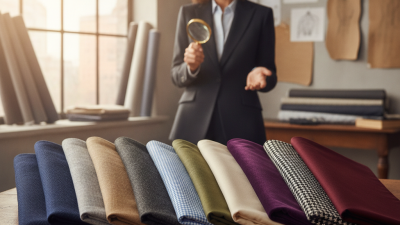
Choosing the right fabric can be challenging. There are various options available, each with unique qualities. Knowledge about these materials is essential for making informed decisions. High-quality thin suit fabrics like linen, cotton blends, and innovative synthetics deserve attention. They can enhance breathability and style, but customers must consider durability too.
Buyers may find certain fabrics appealing but might overlook factors like maintenance and longevity. Investing in the right material can lead to disappointment if it doesn’t hold up over time. Hence, understanding the balance between aesthetic appeal and practicality is crucial. This guide aims to provide insights for making educated choices in the world of thin suit fabric.

Best Thin Suit Fabrics: An Overview of Key Choices
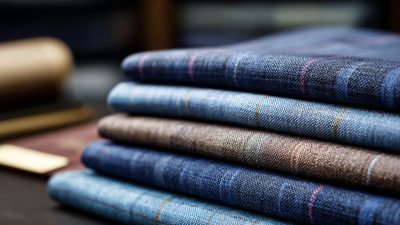
When it comes to selecting thin suit fabrics, several options stand out for their blend of comfort and style. Lightweight wool offers breathability and excellent drape. It keeps the wearer cool while ensuring a polished look. Another notable choice is linen, known for its casual charm.
Linen suits are perfect for warm weather but may wrinkle easily, adding a relaxed vibe.
Cotton blends also provide versatility. These fabrics are soft to the touch and available in various colors. However, they may lack the structural support seen in wool or linen. Another contender is tropical wool, which is lightweight yet resilient. It can be dressed up or down, making it a reliable option for any event.
Navigating the options can be challenging. Each fabric has its strengths and weaknesses. A poorly chosen fabric can lead to discomfort or an unflattering fit. Understanding your needs and the fabric's properties is key. Balancing style, comfort, and durability often requires consideration and reflection.
Characteristics of Ideal Thin Suit Fabrics for Comfort and Style
When selecting thin suit fabrics, comfort and style are paramount. Ideal materials should prioritize breathability. Natural fibers like cotton and linen excel here. They allow airflow, preventing discomfort in warm climates. A report from the Textile Research Journal indicates that linen can reduce body temperature by up to 3 degrees Celsius. This cooling effect is crucial for maintaining comfort during long events or workdays.
Another essential characteristic is a smooth drape. Suits should have an elegant silhouette. Fabrics such as microfiber and rayon provide this quality. They flow with movement without clinging to the body. However, sourcing these materials can be challenging. Some may not always offer the durability expected from suiting fabrics.
Weight also plays a role in fabric choice. Fabrics under 300 grams per meter are considered lightweight yet effective. Yet, lighter fabrics may sacrifice some durability. Finding a balance is key. Buyers are encouraged to consider wear patterns and the frequency of use. Making informed decisions will lead to a more satisfying thin suit experience.
Comparative Analysis of Popular Thin Suit Materials
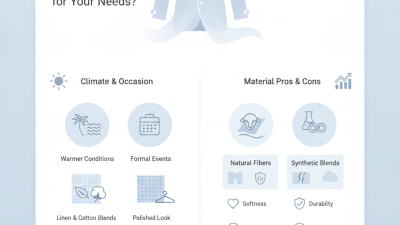
When exploring thin suit materials, several options stand out. Wool is a classic choice, known for its breathability and moisture-wicking properties. It works well in various climates. A lightweight wool blend can offer additional durability and structure. Another interesting fabric is linen. This natural fiber is perfect for hot weather. It has a relaxed vibe but wrinkles easily, which might be a consideration for some buyers.
Cotton is also worth mentioning. Lightweight cotton suits provide comfort and versatility. They are suitable for casual events or business settings. However, they tend to lack the crisp finish seen in wool. Synthetic fabrics like polyester or blends can mimic natural fibers. They are often more affordable but might sacrifice breathability. Comparing these materials reveals a balance between style, comfort, and practicality. Each option has its pros and cons, and the right choice depends on individual needs and preferences. Reflecting on these details is crucial for making an informed decision.
Global Trends in Thin Suit Fabrics: Sustainability and Innovation
The recent shift towards sustainability in the fashion industry has transformed the way thin suit fabrics are produced and utilized. According to a report from the Fashion for Good Initiative, 60% of consumers now prioritize eco-friendly materials in their purchasing decisions. This trend reflects a growing awareness of environmental impacts, pushing manufacturers to innovate without compromising quality. Sustainable thin fabrics are often made from organic cotton, recycled polyester, and natural fibers like Tencel. These options not only reduce carbon footprints but also offer breathability and comfort.
Innovation is crucial in meeting consumer demands. Advanced textile technology has led to the development of moisture-wicking and temperature-regulating fabrics. A study from the International Textile & Apparel Association highlights a 15% increase in performance-driven materials in the thin suit market. However, challenges remain. The adoption of sustainable practices can drive up costs, making these options less accessible to all buyers. Balancing quality, sustainability, and price is an ongoing debate within the industry. Addressing these concerns will be vital for brands seeking to align with the evolving values of global consumers.
Global Trends in Thin Suit Fabrics
This chart illustrates the increasing popularity of sustainable and innovative thin suit fabric options among global buyers over the past few years.
Tips for Choosing the Right Thin Suit Fabric for Various Occasions
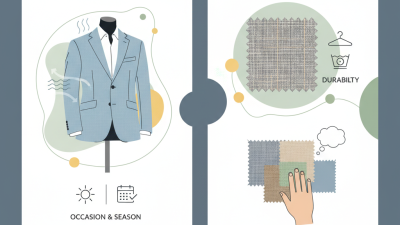
Choosing the right thin suit fabric is essential for various occasions. Different events demand different styles. For business meetings, consider lightweight wool blends. Wool has moisture-wicking properties and breathability, making it suitable for long hours. According to the Textile World Review, 68% of professionals prefer wool blends for office attire due to their comfort and polished appearance.
For summer weddings or outdoor events, linen is a great option. It offers a casual elegance that is hard to match. Linen is highly breathable, allowing airflow during hot weather. However, it wrinkles easily. In fact, a study by the Fashion Institute of Technology noted that 55% of consumers find this wrinkling off-putting. Therefore, those who choose linen should embrace its relaxed charm.
Traveling or attending formal dinners? Look for cotton or cotton blends. Cotton provides comfort and versatility for various climates. It is often easier to maintain than other fabrics. However, it may lack the elegance of wool or linen. Ultimately, selecting the right fabric requires balancing style, comfort, and practicality for each specific occasion.