China Top 10 Rayon Knitted Fabric Manufacturers
China’s rayon textile sector combines deep manufacturing experience with increasingly demanding global standards. This makes supplier selection more complex than comparing fabric prices. Rayon Knitted Fabric can feel cool, soft, and fluid, yet its performance depends on fiber grade, knitting structure, finishing, and quality control.
Textile Exchange’s Materials Market Report 2024 estimated global fiber production at about 124 million metric tonnes in 2023. It also projected production could reach approximately 160 million tonnes by 2030. The report identifies man-made cellulosic fibers, including viscose rayon, as an important category requiring improved traceability and responsible sourcing. These findings matter when evaluating Chinese manufacturers for fashion, underwear, home textiles, and performance garments.
Consistency matters most.
A reliable factory should explain its yarn origin, knitting machines, fabric weight, width tolerance, shrinkage testing, colorfastness results, and production capacity. Certifications such as FSC or PEFC for cellulosic feedstock, OEKO-TEX Standard 100, and ISO-based quality systems can provide useful evidence. They do not replace independent verification.
This China Top 10 Rayon Knitted Fabric Manufacturers overview focuses on practical capabilities rather than attractive catalog images. It considers product range, export experience, customization support, laboratory controls, lead times, and communication quality. Public information is not always complete. Rankings can change after factory audits, sample testing, and contract review. That limitation deserves attention.
Look beyond the showroom.
The strongest suppliers should deliver stable fabric from the first roll to the final shipment. Each shortlisted manufacturer should still be tested against your target GSM, stretch recovery, hand feel, color standard, and compliance requirements.
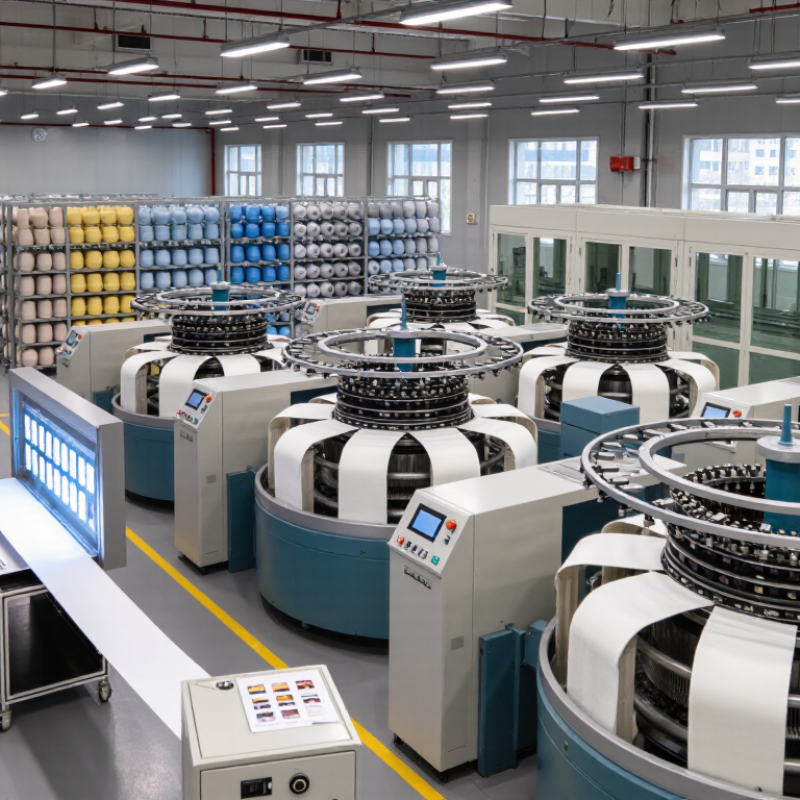
Rayon Knitted Fabric: Definition, Characteristics, and Common Applications
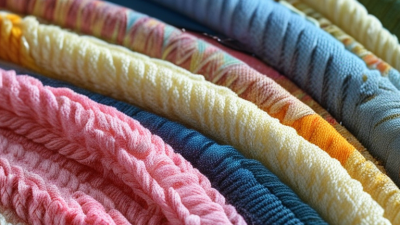
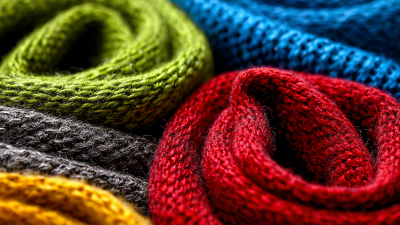
Rayon knitted fabric is a looped textile made from regenerated cellulose fibers. Producers commonly use wood pulp or other cellulose sources, then form yarn for knitting. Unlike woven cloth, its connected loops create natural stretch, softness, and comfortable drape. In handling tests, the surface often feels cool against skin. It also absorbs moisture better than many synthetic fibers. However, rayon can weaken when wet, depending on fiber type and finishing. That detail matters during washing, cutting, and quality inspection.
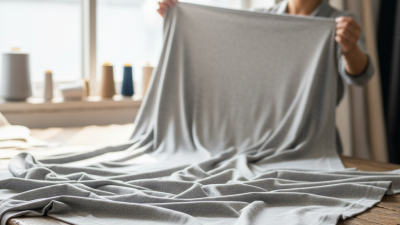
Its appearance can range from matte jersey to smooth, fluid rib knit. The fabric accepts dyes well, so colors may look rich and even. It is popular for dresses, blouses, skirts, lounge garments, linings, and lightweight scarves. Blended versions may improve recovery, strength, or dimensional stability. A practical buyer should check fiber composition, fabric weight, stretch percentage, shrinkage, and colorfastness. Small differences can change sewing performance. A fabric that looks excellent on a roll may twist after washing. Sampling remains essential, even when the specification sheet seems complete.
Tips: Wash a sample before bulk cutting. Use a ballpoint needle and gentle machine tension. Store rolls away from heat and direct sunlight. Ask for test data, but verify it with your own inspection. Rayon is not automatically sustainable; source, chemical management, water use, and certification deserve careful review. Simple checks prevent expensive surprises, although no checklist replaces experienced handling.
How China’s Top Rayon Knitted Fabric Manufacturers Are Selected
China Top 10 Rayon Knitted Fabric Manufacturers should be selected through evidence, not factory size alone. The Textile Exchange Materials Market Report 2024 reports global fiber production at about 124 million tonnes in 2023. Rayon remains important because it offers softness, drape, and breathable comfort for apparel.
The WTO World Trade Statistical Review 2024 places China’s textile and apparel exports at roughly one-third of global exports. This scale supports broad yarn, knitting, dyeing, and finishing capacity. However, selection should examine actual rayon performance. Auditors should verify GSM tolerance, fabric width, spirality, pilling, shrinkage, bursting strength, and colorfastness. Small defects matter.
Production records should also show stable lead times and documented batch control. ISO 9001 systems, responsible chemical management, wastewater records, and fiber-origin traceability add credibility. Textile Exchange data also highlights growing pressure for lower-impact materials and clearer supply-chain disclosure. A factory may pass an audit yet miss a shade.
Practical sampling is essential. Request three recent production lots, not one attractive sample. Compare hand feel, recovery, surface fuzz, and washing results. A useful ranking should weigh quality consistency, technical experience, export reliability, and environmental evidence together. No ranking is perfect. Price data can change quickly, while factory claims may remain difficult to verify.
Product Range, Production Capacity, and Quality Comparison
China’s top ten rayon knitted fabric manufacturers should be compared through product range, capacity, and verified quality. Their portfolios commonly include single jersey, rib, interlock, French terry, and brushed fleece. Lightweight 30–60 GSM jersey suits innerwear and summer clothing. Heavier 240–350 GSM structures support sweatshirts and relaxed fashion.
Capacity figures need careful reading. Some factories report annual fabric output, while others disclose only knitting-machine numbers. A practical comparison should separate installed capacity from actual utilization. Textile Exchange’s Materials Market Report 2024 places global man-made cellulosic fiber production at roughly seven million tonnes, showing rayon’s significant industrial scale. However, fiber volume does not prove fabric consistency. A factory with 2,000 tonnes of monthly capacity may still struggle during peak dyeing periods. That weakness matters.
Quality comparisons should examine shrinkage, spirality, pilling, colorfastness, and width tolerance. ISO 9001 systems can support process control, but certification alone cannot replace batch testing. The International Textile Machinery Federation’s 2024 industry statistics indicate continued investment in modern textile equipment, yet newer machines do not automatically ensure better fabric. Buyers should request three production lots, not one attractive sample. Laboratory reports should record washing conditions, test methods, and acceptance limits. Environmental claims also require evidence, especially for regenerated cellulose inputs and chemical management. In practice, a smaller supplier may offer tighter communication, while a larger producer may provide stronger capacity insurance. Neither assumption is always correct.
How to Choose and Source a Chinese Rayon Knitted Fabric Manufacturer
China Top 10 Rayon Knitted Fabric Manufacturers
Choosing a Chinese rayon knitted fabric manufacturer requires more than comparing quotations. Textile Exchange’s Materials Market Report 2024 estimates global man-made cellulosic fiber production at roughly 7.5 million tonnes in 2023. Demand is growing, but quality varies between mills. Request the manufacturer’s business registration, production capacity, export history, and factory audit records. A reliable supplier should explain fiber composition, knitting structure, dyeing process, and monthly capacity clearly. Vague answers deserve caution.
Ask for lab-dip samples and a small trial order before confirming bulk production. Check GSM, fabric width, spirality, shrinkage, pilling, colorfastness, and hand feel after washing. These details affect cutting accuracy and customer returns. Use independent testing when the order is important. ISO-based quality procedures help, but certificates alone do not prove consistent production. Visit the factory if possible, or arrange a live video inspection. Review production records, storage conditions, inspection points, and wastewater controls. Rayon supply chains can be complicated. Traceability claims should be supported by documents, not attractive wording.
Tips: Compare three suppliers using the same specification sheet. Keep sealed reference samples. Confirm acceptable tolerance ranges in writing. Ask who controls subcontracting. A low price may hide weaker yarn or unstable dyeing. I have found that communication speed matters, but it can also mislead; fast replies do not guarantee technical competence. Recheck every claim against samples, test results, and shipment performance.